



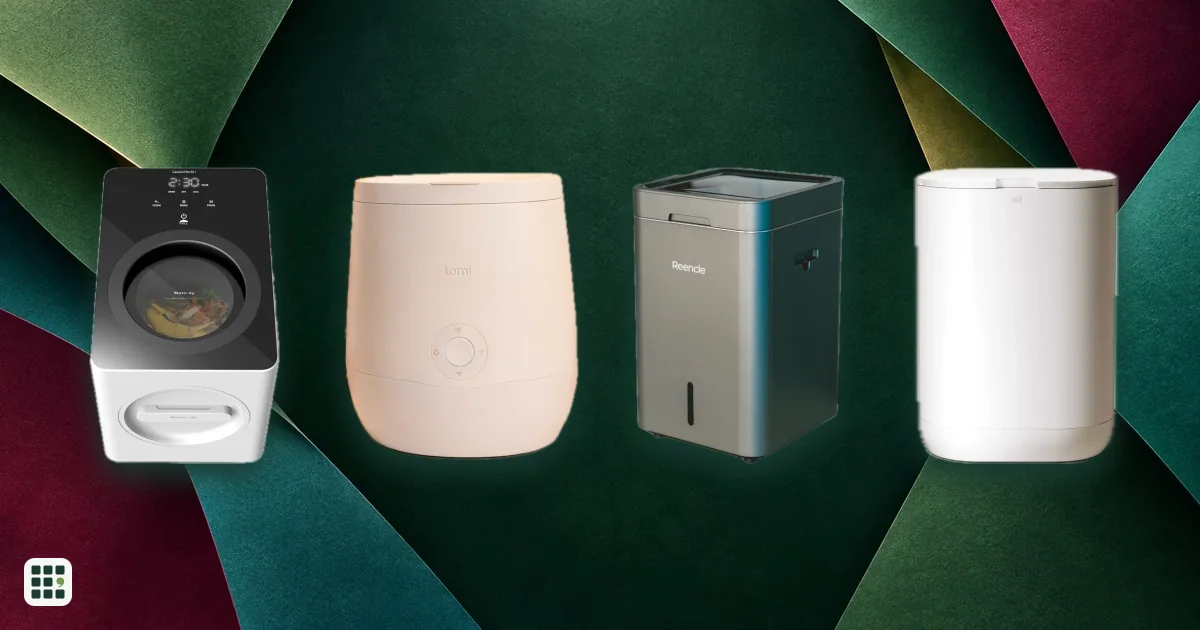
Countertop composters
Compare electric kitchen food-waste processors by how they work, what their output is, how much they can handle, and what upkeep they need. Batch recyclers dry and grind scraps; microbial bins process them continuously. Their outputs and uses differ.
Last updated
How to choose
Choose the process first
Batch machines heat, dry, and grind scraps into a reduced-volume by-product. That material is not necessarily finished compost; check the maker’s guidance before adding it to soil. Reencle’s microbial bins run continuously; the maker says initial compost takes about 30 days and recommends mixing the output with soil and curing for 3–4 weeks before use. Mill is a larger floor-standing bin, so check its footprint before considering it with countertop models.
Compare how much you process
Bucket volume, daily input limits, and weeks-to-fill describe different things. Use the capacity figure for the exact model and consider how often you want to empty or tend the unit. Cycle time applies to batch machines; it does not measure how soon a microbial bin’s output is ready.
Check scraps, upkeep, and cost
Meat, dairy, bones, pits, and liquids are treated differently by each manufacturer. Check the accepted-food list before buying. Carbon filters and microbial starter may need replacement, and a subscription can change the price or warranty. Prices were captured Nov 13, 2026; check current offers and warranty terms before buying.
Answer
Browse the table. Filter to what matters.
Use the filters below, then sign in if you want to shortlist and decide with friends.
Sign in to vote, hide products and features, and reorder.
Verified: hover a cell and click its green dot for the source Estimate: no cited source Not stated: the maker doesn't publish it
| Feature | ⠿ | ⠿ | ⠿ | ⠿ | ⠿ | ⠿ | ⠿ | ⠿ | ⠿ | ⠿ | ⠿ | ⠿ | ⠿ | ⠿ |
|---|---|---|---|---|---|---|---|---|---|---|---|---|---|---|
|
⠿
Price
|
||||||||||||||
|
⠿
Process and output
|
||||||||||||||
|
⠿
Input capacity
|
||||||||||||||
|
⠿
Suitable scraps
|
||||||||||||||
|
⠿
Processing rhythm
|
||||||||||||||
|
⠿
Odor filter and upkeep
|
||||||||||||||
|
⠿
Warranty
|
||||||||||||||
|
⠿
Dimensions
|
Why these features matter
-
Price ($)
Upfront prices span compact countertop appliances to a larger floor-standing bin.
-
Process and output
Dry, ground scraps and living compost have different uses and need different follow-up.
-
Input capacity
A larger load or continuous system can reduce how often a household empties or runs a machine.
-
Suitable scraps
Meat, dairy, bones, oils, and hard pits can be restricted differently by each system.
-
Processing rhythm
Batch machines pause for a cycle, while microbial bins accept scraps continuously.
-
Odor filter and upkeep
Filter refills and cleaning add ongoing cost and effort.
-
Warranty
Coverage length helps compare support, but terms and exclusions still differ.
-
Dimensions
Counter footprint, height, and lid clearance determine where the appliance can fit.
About the products
-
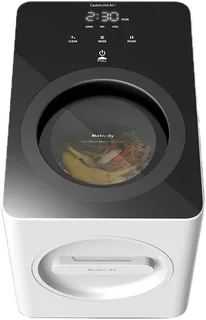
Natridy Kitchen Composter · Natridy
Countertop batch processor with a removable ceramic bucket and loose refillable carbon.
-
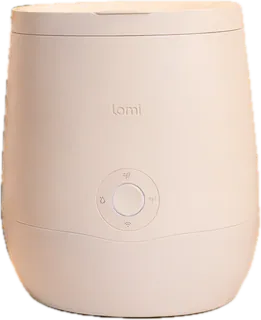
Lomi 3 Food Recycler · Lomi
Compact batch food recycler with a 3 L bucket and app-enabled remote control.
-
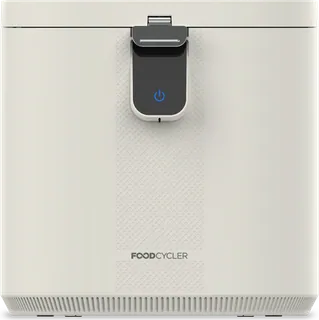
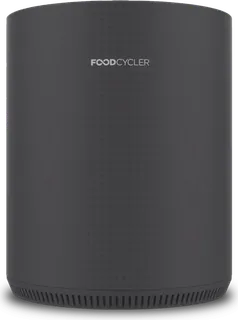
FoodCycler Eco 5 · Vitamix
A 5 L batch food recycler with a refillable carbon cartridge.
-
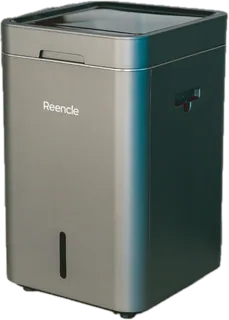
Reencle Essential · Reencle
A smaller continuous microbial composter for 1–2 person households.
-
Reencle Prime · Reencle
Continuous microbial composter sized for 1–3 person households.
-
Reencle Gravity · Reencle
Higher-capacity continuous microbial composter with weight and time displays.
-
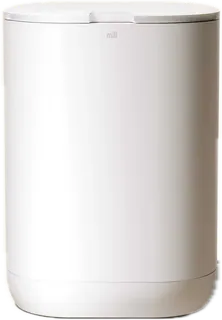
Mill Food Recycler Essential · Mill
Large floor-standing automated recycler with a 6.5 L bin and four-week capacity.
-
Gravity Pro · Reencle
A continuous microbial bin with a scale and app tracking; its daily capacity matches Gravity.
-
Mill Food Recycler Plus · Mill
Floor-standing recycler with the same 6.5 L capacity as Essential, plus a foot pedal and child/pet lock.
-
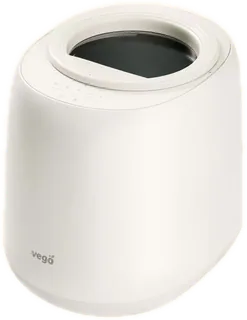
Kitchen Composter · Vego Garden
A 4 L batch recycler with multiple output modes, built-in scale and app monitoring.
-
FoodCycler Eco 3 · Food Cycle Science
The smaller FoodCycler has a 3.5 L bucket and runs batch dry-and-grind cycles.
-
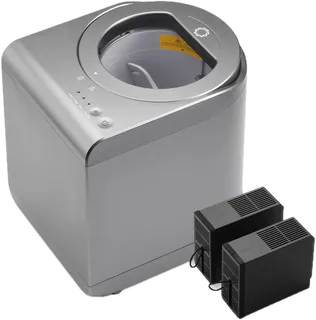
Revive V500 · Airthereal
Compact 2.5 L batch recycler with a viewing lid; it reduces scraps to a dry material.
-
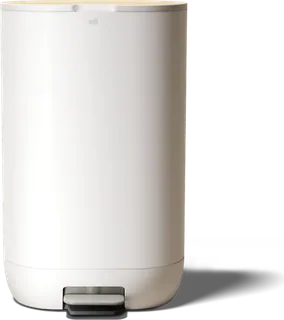
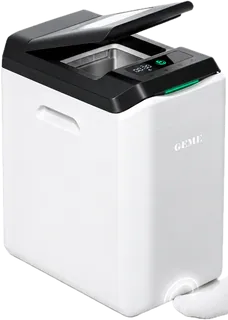
GEME Terra 2 · GEME
14 L continuous-feed microbial composter for indoor kitchen use; floor-standing; current U.S. offer price and coverage terms can change.
-
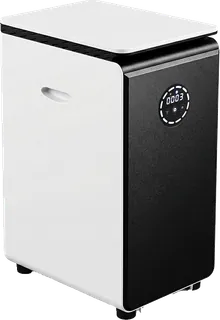
GEME Pro · GEME
19 L continuous-feed microbial composter for high-volume households; floor-standing; current U.S. offer price and coverage terms can change.
Suggest a change
Related comparisons
-
 Grass seed
 comes as single species, regional blends, and seed-plus-fertilizer products, and the right one depends on your climate, how much sun the spot gets, and whether you are starting a new lawn, overseeding, or patching. This grid compares the main national brand lines and farm-direct mixes on grass type, shade and drought tolerance, germination time, seeding rate, price per pound, and whether fertilizer is included.
-
 Greenhouses
Greenhouse kits let you start seedlings early, protect tender crops from frost and grow through a longer season. This grid compares backyard walk-in kits from small budget aluminum and polycarbonate models to premium and wood-framed greenhouses on size, glazing, weather ratings, vents, doors, warranty and price. The main trade-off is price against strength and insulation: budget kits are cheap but state few weather ratings, while premium kits cost many times more.
-
 Pruning shears
 (hand pruners or secateurs) are one-handed cutters for stems and small branches. The choice comes down to cut type (bypass slices live wood cleanly, anvil crushes dry wood, ratchet adds leverage), hand size, and whether you want a repairable tool that lasts decades or a cheap one you replace.
-
 Tillers and cultivators
Tillers break up and mix soil for a new or existing garden. Cultivators are lighter machines that loosen soil and weed between rows. The choice comes down to how hard your soil is, how much ground you work, and whether you want gas power, a battery, or a cord.
-
 Bird feeders
 range from simple seed tubes and hoppers to squirrel-proof designs and solar camera feeders that identify visiting species. This grid compares popular US models on price, what they hold, squirrel resistance, ease of cleaning, and what the smart ones cost to run.
-
 String trimmers
 (weed eaters, weed whackers) cut grass and weeds where a mower cannot reach. This grid compares cordless models across battery platform, swath, line size, weight, runtime and whether they take attachments or convert to an edger.