



High-yield savings accounts
A high-yield savings account pays several times the interest of a typical bank savings account, and most are FDIC insured. Rates are variable, so the details matter: whether the advertised rate applies to everyone or needs deposits, which fees or minimums apply, how quickly you can move money, and who actually holds your money. This grid compares popular online savings accounts side by side. The real trade-offs are a few tenths of a percent of rate against convenience, bonuses that need big deposits, and fintech programs that spread money across partner banks.
Last updated
How to choose
Rates change often, so compare the rate, the conditions and the protections together rather than chasing the highest headline.
1. Compare the rate fairly
- The APY here is each provider's standard base rate on the date shown. Check APY conditions: some rates need direct deposit, tiered balances or monthly deposits.
- Ignore short promotional boosts and compare what you would earn after the promotion ends.
2. Check the costs and rules
- Minimum to open, Minimum balance for APY and Monthly fee decide whether a small balance earns anything.
- Transfer limit and Same day transfers matter if you may need money quickly.
3. Protect your money
- Confirm the account is FDIC insured, and check the FDIC coverage limit (the standard limit is $250,000 per depositor per bank).
- Fintech apps that spread money across partner banks work differently from a direct bank: see Provider type.
4. Pick the extras you need
- Joint accounts, custodial accounts, Certificates of deposit, a Debit or ATM card and Customer support hours.
5. Before you move your money
- Rates can fall at any time. Check the rate again before you deposit and every few months after, and keep your emergency fund somewhere you can reach it.
Answer
Browse the table. Filter to what matters.
Use the filters below, then sign in if you want to shortlist and decide with friends.
Sign in to vote, hide services and features, and reorder.
Verified: hover a cell and click its green dot for the source Estimate: no cited source Not stated: the company doesn't publish it
| Feature | ⠿ | ⠿ | ⠿ | ⠿ | ⠿ | ⠿ | ⠿ | ⠿ | ⠿ | ⠿ | ⠿ | ⠿ | ⠿ | ⠿ | ⠿ | ⠿ | ⠿ | ⠿ | ⠿ | ⠿ |
|---|---|---|---|---|---|---|---|---|---|---|---|---|---|---|---|---|---|---|---|---|
|
⠿
APY
|
||||||||||||||||||||
|
⠿
APY conditions
|
||||||||||||||||||||
|
⠿
Minimum to open
|
||||||||||||||||||||
|
⠿
Minimum balance for APY
|
||||||||||||||||||||
|
⠿
Monthly fee
|
||||||||||||||||||||
|
⠿
FDIC insured
|
|
|||||||||||||||||||
|
⠿
Provider type
|
Bank
|
Fintech with partner banks
|
||||||||||||||||||
|
⠿
FDIC coverage limit
|
$250,000
|
$250,000
|
$250,000
|
|||||||||||||||||
|
⠿
Interest compounding
|
||||||||||||||||||||
|
⠿
Joint accounts
|
|
|
|
|
||||||||||||||||
|
⠿
Debit or ATM card
|
|
|
|
|
||||||||||||||||
|
⠿
Check writing
|
|
|
|
|
|
|
|
|
|
|
||||||||||
|
⠿
Same day transfers
|
|
|
|
|
|
|
|
|
||||||||||||
|
⠿
Transfer limit
|
||||||||||||||||||||
|
⠿
Sign up bonus
|
None
|
None
|
None
|
None
|
None
|
None
|
None
|
None
|
None; referral bonus only
|
None
|
None
|
|||||||||
|
⠿
Certificates of deposit
|
|
|
|
|
|
|||||||||||||||
|
⠿
Custodial accounts
|
|
|
|
|
|
|||||||||||||||
|
⠿
Customer support
|
24/7 phone support
|
|||||||||||||||||||
|
⠿
Mobile app
|
||||||||||||||||||||
|
⠿
Zelle support
|
|
|
|
|
|
|
|
|
|
|
|
|
|
|
|
















Why these features matter
-
APY (%)
The headline return: rates move with the Fed and with the bank.
-
APY conditions
A high rate that needs conditions may not apply to you.
-
Minimum to open ($)
Some accounts need a large first deposit.
-
Minimum balance for APY ($)
Falling below it can cut your rate or cost fees.
-
Monthly fee ($/month)
Fees eat into interest.
-
FDIC insured
Insurance protects deposits up to the limit if a bank fails.
-
Provider type
Fintech programs spread money across partner banks, which changes how insurance and access work.
-
FDIC coverage limit ($)
Large balances may exceed the standard limit.
-
Interest compounding
Frequent compounding earns slightly more.
-
Joint accounts
Needed for couples and families.
-
Debit or ATM card
Easy cash access but a risk to savings.
-
Check writing
Rare on savings accounts.
-
Same day transfers
Faster access in an emergency.
-
Transfer limit
Limits can restrict how you use the account.
-
Sign up bonus
A bonus can beat the rate for a year but needs a big deposit.
-
Certificates of deposit
CDs can lock in a rate if rates fall.
-
Custodial accounts
Needed for children's savings.
-
Customer support
Online banks vary a lot in service.
-
Mobile app
Makes everyday transfers easier.
-
Zelle support
A rare but useful convenience.
About the services
-
Marcus Online Savings Account · Marcus by Goldman Sachs
No-fee, no-minimum online savings from Goldman Sachs Bank USA with same-day transfers to and from other banks and 24/7 phone support. There is no debit card, ATM card or check writing, and balances are capped at $1,000,000 per account.
-
Ally Bank Savings Account · Ally Financial
No-fee online savings with $0 minimums, savings buckets, round-ups and 24/7 phone and chat support. No debit card or checks on the savings account (those come with Ally's money market account), and withdrawals are capped at 10 per statement cycle.
-
Capital One 360 Performance Savings · Capital One
No-fee, no-minimum online savings paying one rate on every balance, with branch and Capital One Cafe access and mobile check deposit. You cannot use an ATM directly; money moves to a checking account first. Discover Online Savings customers are now served by Capital One.
-
American Express High Yield Savings Account · American Express
No-fee, no-minimum online savings from American Express National Bank with 24/7 phone support, plus CDs at the same place. The savings account has no debit card or checks; those require an Amex checking account.
-
Barclays Online Savings · Barclays US
Simple no-fee online savings from Barclays Bank Delaware with no minimum to open. Barclays also sells a separate Tiered Savings account with higher tier rates and a $25,000 bonus offer.
-
Synchrony High Yield Savings Account · Synchrony Bank
No-fee, no-minimum online savings with an optional ATM card (domestic ATM fees refunded up to $5 per cycle) and extended phone support. No checks on the savings account, and minors cannot open accounts.
-
CIT Bank Platinum Savings · CIT Bank
Tiered online savings from CIT Bank, a division of First Citizens Bank. The top rate needs a $5,000 balance (under $5,000 pays only 0.25%) and opening takes $100, so it suits larger balances.
-
Bask Interest Savings Account · Bask Bank
No-fee, no-minimum online savings from Bask Bank (a division of Texas Capital Bank) with a consistently high rate and joint accounts. No debit card on savings, and ACH transfers are capped at six to 12 per calendar month.
-
Axos Bank Summit Savings · Axos Bank
No-fee, no-minimum online savings from Axos Bank with an optional ATM card and free incoming wires. New customers also get a limited-time boost for six months; the base rate is the figure recorded here.
-
UFB Direct Portfolio Savings · Axos Bank
No-fee online savings with no minimum deposit and a complimentary ATM card, offered by UFB Direct, a brand of Axos Bank. New accounts get a boosted rate for up to six months, then the standard rate recorded here.
-
Happen Bank LevelUp Savings (formerly LendingClub) · Happen Bank
No-fee online savings with $0 to open that pays 4.20% when you deposit $250 or more each statement cycle and a 3.00% standard rate otherwise. Offers a free ATM card; LendingClub renamed its bank Happen Bank.
-
Wealthfront Cash Account · Wealthfront
Cash account that sweeps deposits to program banks, with up to $8M of FDIC insurance eligibility, a debit card, free instant withdrawals and no fees. Boosts need new-client status or investing with Wealthfront; the base rate varies with the Fed.
-
Betterment Cash Reserve · Betterment
Variable-rate cash account run through Betterment with no fees, a $10 minimum and unlimited withdrawals, with large FDIC eligibility through program banks. Needs a Betterment brokerage account, and the headline new-client boost is temporary.
-
Cash App Savings · Cash App
Savings inside Cash App for small balances, with no fees and no transfer limits. The 1.5% base rate needs tax info; 3.5% needs a Cash App Card and Green status (monthly card spend or paychecks), and savings cannot be spent directly.
-
Varo Savings · Varo Bank
Savings for Varo Bank customers with no fees or minimums and a 1.00% base rate. The 3.75% rate applies only to the first $5,000 and needs $800 or more in monthly direct deposits; no joint accounts.
-
Popular Direct Exclusive Savings · Popular Direct
Online savings from Popular Bank with a $100 minimum opening deposit that must be new money. Phone support and CDs available at the same bank.
-
Pibank Savings · Pibank
Bank savings from Intercredit Bank, N.A. with no fees or minimum balance and a joint option. App-based, with no Zelle or Bill Pay on the savings account.
-
PayPal Savings · PayPal
Savings held at Synchrony Bank and managed in PayPal, with no minimums or fees. Needs a PayPal Balance account and is aimed at existing PayPal users.
-
Chime Savings Account · Chime
A savings account available to Chime Checking customers. Chime says the standard tier earns 1.00% APY, with higher rates for qualifying membership tiers; savings funds must be moved to a linked account to spend.
-
SoFi Savings · SoFi
Online savings from SoFi Bank, opened together with a SoFi Checking account. The base 3.30% APY needs eligible direct deposit or $5,000 in qualifying deposits every 31 days, otherwise it earns 0.80%. New accounts with direct deposit can add a 1.10% boost for up to six months and a cash bonus of up to $400.
Suggest a change
Related comparisons
-
 Business bank accounts
 keep your company money apart from your own and give you cards, transfers and records for tax time. This grid compares the entry-level business checking plan from nine popular US providers, from free online accounts to branch-based banks. The real trade-offs are monthly fees and waivers, wire and cash deposit costs, access to branches, and how much of your balance is FDIC insured.
-
 Brokerage accounts
A brokerage account lets you buy stocks, ETFs and other investments on your own. Most US brokers now charge nothing to trade stocks and ETFs, so the choice depends on the details: cash interest, margin rates, fractional shares, retirement accounts, research tools, extended-hours trading, and what it costs to leave. This grid compares popular US online brokers side by side on those points. The real trade-offs are low cost against tools and service, and a simple app against depth for active traders.
-
 Digital photo frames
 compared: Aura, Skylight, Nixplay and Pix-Star Wi-Fi frames, budget Frameo-based frames, and simple memory-card frames. The real differences are what keeps working without a subscription, how easily the whole family can send photos and videos, how much storage you get, whether it works without Wi-Fi, and how each maker protects your family photos.
-
 Personal emergency response systems
, or medical alert devices, let an older adult or someone living alone press a button (or have a fall detected) to reach a 24/7 monitoring center that sends help. The choices are in-home versus mobile, whether fall detection is included, what network it uses, and what it costs each month. This grid compares current devices from the major US providers.
-
 Countries to live in
Thirty-four popular countries compared for Americans who want to live abroad: how long you can stay without a visa, the easiest route to a long stay, the path to permanent residence and citizenship, what rent and daily life cost, and how safe, healthy and easy to live in each place is. Rules and thresholds change, so confirm the details with the country's government before you commit.
-
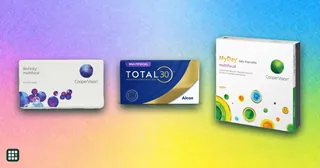 Multifocal contact lenses
 let people over 40 see near and far without reading glasses. Designs, add powers and materials differ, and the right one is often found by trying a few. This grid compares the main US multifocal lenses on yearly cost, replacement schedule, optical design, add powers, prescription range, astigmatism correction and lens material.