



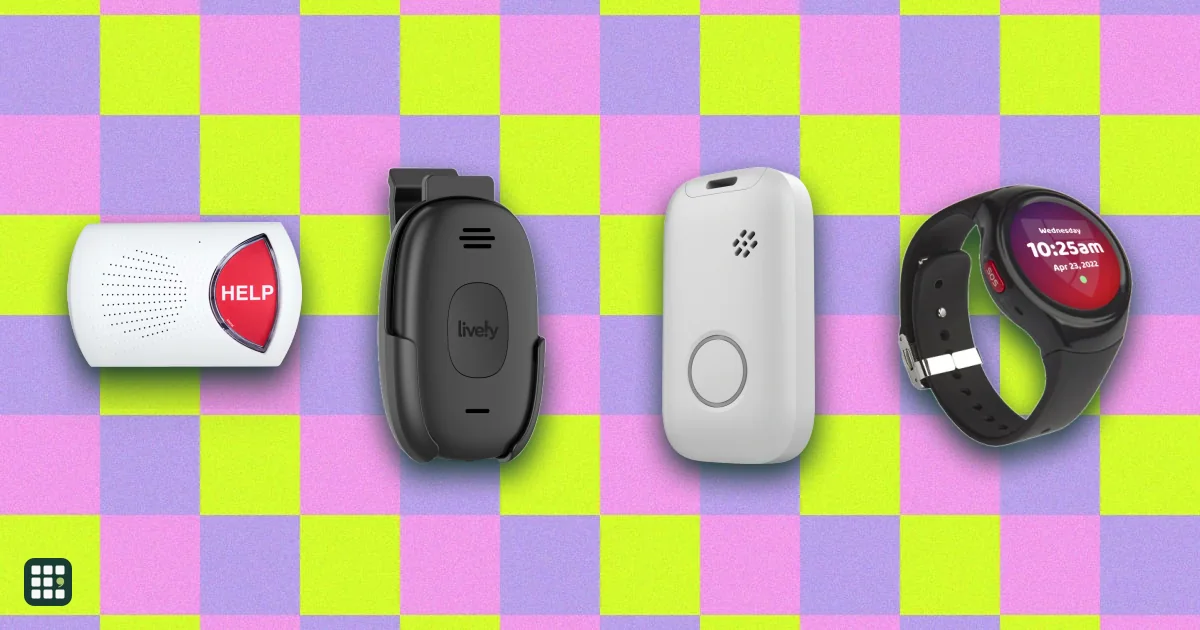
Personal emergency response systems
Personal emergency response systems, or medical alert devices, let an older adult or someone living alone press a button (or have a fall detected) to reach a 24/7 monitoring center that sends help. The choices are in-home versus mobile, whether fall detection is included, what network it uses, and what it costs each month. This grid compares current devices from the major US providers.
Last updated
How to choose
Start with where the person spends time
If they rarely leave home, an in-home system (a base station plus a wearable button) is cheapest and most reliable. If they walk, drive, shop or visit friends, choose a mobile device or a smartwatch that works over cellular with GPS.
Check the deal-breakers
- Signal: mobile and cellular home units need coverage on their network (usually AT&T or Verizon). Check at home, including the bathroom and bedroom.
- Landline: if there's no landline, pick a cellular base station.
- Wearing it: the button only helps if it's worn, including in the shower. Make sure it's waterproof and comfortable, and that charging is easy enough.
Decide on fall detection
Fall detection calls for help when the user can't press the button. It's worth it for people at risk of falls or who live alone, but it doesn't detect every fall and may trigger by mistake. It's often an extra $10 or so a month.
Add up the real cost
- Monthly monitoring, plus any device price, activation fee and fall detection add-on.
- Annual prepay often saves money but makes cancelling harder. Prefer month-to-month with no contract.
- Check what happens if the device is lost or damaged, and whether a spouse can be covered.
Ask about the monitoring center
Look for a US-based, 24/7 center with UL listing or TMA Five Diamond certification, and ask about average response times. A caregiver app can let family see alerts and location.
Test before you commit
Use the trial period to press the button from every room and the yard, and to make sure the user is comfortable talking to the agent.
Answer
Browse the table. Filter to what matters.
Use the filters below, then sign in if you want to shortlist and decide with friends.
Sign in to vote, hide products and features, and reorder.
Verified: hover a cell and click its green dot for the source Estimate: no cited source Not stated: the maker doesn't publish it
| Feature | ⠿ | ⠿ | ⠿ | ⠿ | ⠿ | ⠿ | ⠿ | ⠿ | ⠿ | ⠿ | ⠿ | ⠿ | ⠿ | ⠿ | ⠿ | ⠿ | ⠿ | ⠿ | ⠿ | ⠿ | ⠿ | ⠿ | ⠿ | ⠿ | ⠿ |
|---|---|---|---|---|---|---|---|---|---|---|---|---|---|---|---|---|---|---|---|---|---|---|---|---|---|
|
⠿
Monthly fee
|
$38.95
|
$31.95
|
|||||||||||||||||||||||
|
⠿
Device cost
|
$149.95
|
$149.95
|
$0
|
||||||||||||||||||||||
|
⠿
Device type
|
In-home base and wearable button
|
||||||||||||||||||||||||
|
⠿
Works away from home
|
|
|
|
|
|
|
|
|
|
|
|||||||||||||||
|
⠿
Cellular network
|
AT&T
|
||||||||||||||||||||||||
|
⠿
Landline required
|
|
|
|
|
|
|
|
|
|
|
|
|
|||||||||||||
|
⠿
Fall detection
|
|
|
|||||||||||||||||||||||
|
⠿
Fall detection fee
|
$10
|
$10
|
$10
|
$10
|
$10
|
$10
|
Doesn't apply
|
Doesn't apply
|
Doesn't apply
|
||||||||||||||||
|
⠿
GPS location
|
|
|
|
|
|
|
|
|
|
||||||||||||||||
|
⠿
Two way voice
|
|
|
|
|
|
|
|
|
|
||||||||||||||||
|
⠿
Battery life
|
up to 1,825 days, home system button
|
1 days, maker advises charging daily
|
730 days, home pendant, several years, no charging
|
||||||||||||||||||||||
|
⠿
Home range
|
Doesn't apply
|
Doesn't apply
|
Doesn't apply
|
Doesn't apply
|
Doesn't apply
|
Doesn't apply
|
Doesn't apply
|
Doesn't apply
|
Doesn't apply
|
Doesn't apply
|
Doesn't apply
|
Doesn't apply
|
Doesn't apply
|
Doesn't apply
|
Doesn't apply
|
||||||||||
|
⠿
Waterproof
|
|
|
|
|
|
||||||||||||||||||||
|
⠿
Monitoring center
|
|||||||||||||||||||||||||
|
⠿
Contract required
|
|
|
|
|
|
|
|||||||||||||||||||
|
⠿
Money back period
|
30 days
|
30 days
|
|||||||||||||||||||||||
|
⠿
Caregiver app
|
|
|
|
Why these features matter
-
Monthly fee ($)
The monthly fee is the main cost over years of use. Prices from about $20 to $50 a month are common; mobile and smartwatch units cost more than home units.
-
Device cost ($)
Some companies charge $100 to $200 up front for mobile devices; others include the device and only charge monthly.
-
Device type
In-home units only work near the base. Mobile pendants and watches work anywhere with cellular coverage.
-
Works away from home
Active users who walk, shop or drive need a mobile device.
-
Cellular network
The device only works where its network has signal. Check coverage at home and where the user spends time.
-
Landline required
Many homes no longer have a landline. Cellular home units avoid the need for one.
-
Fall detection
Fall detection can call for help when the user can't press the button, which matters most for people living alone. It doesn't catch every fall and can give false alarms.
-
Fall detection fee ($)
Adds $10 or so a month with many providers; included with others.
-
GPS location
Lets responders find the user away from home or if they can't say where they are.
-
Two way voice
Talking through the wearable works anywhere in the house or outside, not only near the base.
-
Battery life (days)
Devices that need daily charging get forgotten. Longer battery life matters for users with memory problems.
-
Home range (ft)
A larger range covers the yard, garage and mailbox, not just the house.
-
Waterproof
Bathrooms are where many falls happen, so the button must be worn in the shower.
-
Monitoring center
Certified US-based centers answer quickly and follow set procedures. Some companies run their own; others contract out.
-
Contract required
Month-to-month plans let you cancel if needs change, such as a move to assisted living.
-
Money back period (days)
A trial lets you test signal and comfort at home before you're committed.
-
Caregiver app
Lets family see alerts, location or device status without being the emergency contact.
About the products
-
Guardian Flex · Medical Guardian
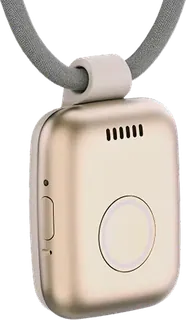
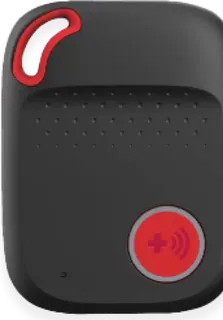
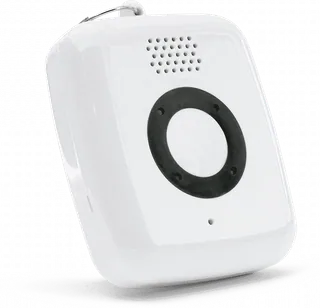
Mobile help button you can wear on the wrist, belt or a lanyard, with its own Verizon connection, GPS, two-way talk and up to 5 days of battery. Fall detection is an add-on; monthly pricing is shown only for annual plans.
-
MGMove · Medical Guardian
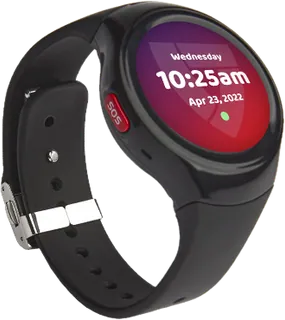
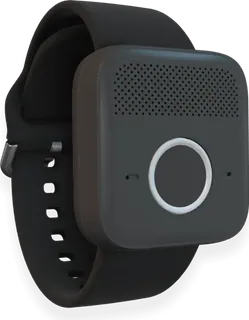
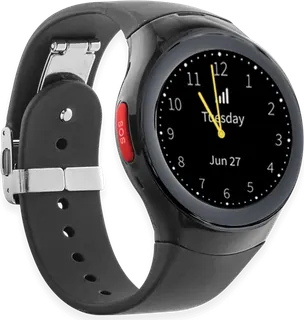
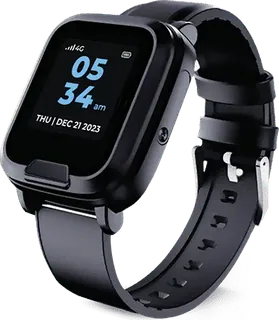
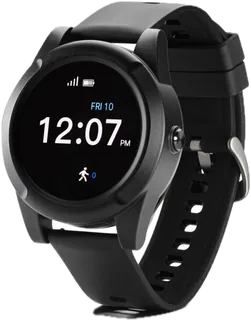
Medical alert smartwatch on 4G LTE with two-way talk on the wrist, GPS and a caregiver app; shower-safe (IP67). Battery lasts about a day, so it needs nightly charging. Fall detection is an add-on.
-
MGHome Cellular · Medical Guardian
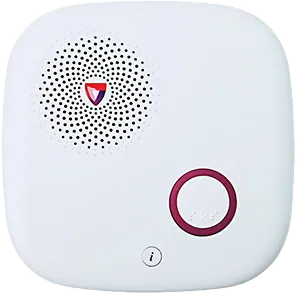
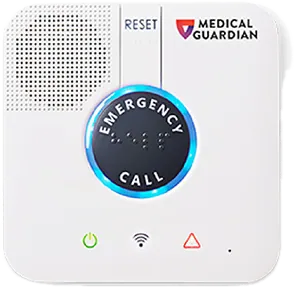
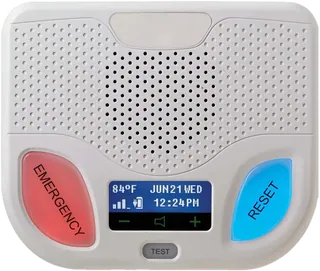
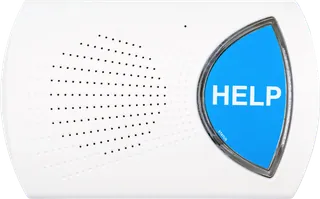
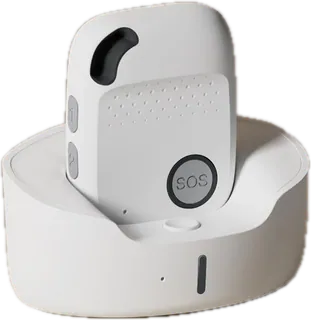
In-home AT&T cellular base with a water-resistant button and a long 1,400 ft range; no landline needed. You talk through the base, not the button. Fall detection adds $10 a month.
-
MGHome Landline · Medical Guardian
Landline version of Medical Guardian's home system with the same 1,400 ft range and $10 fall detection add-on. Only for homes that still have a phone line.
-
Bay Alarm Medical SOS Home · Bay Alarm Medical
Low-cost home system from $27.95 a month that works over a landline or cellular, with a free leased base and 1,000 ft button range. Five Diamond US monitoring and a 15-day trial.
-
Bay Alarm Medical SOS All-In-One 2 · Bay Alarm Medical
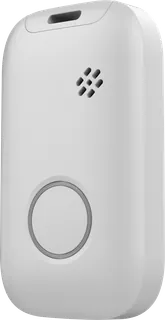
Mobile pendant with GPS, two-way talk, optional fall detection and about 3 days of battery, for use at home and away. The device costs $149 (often discounted).
-
Bay Alarm Medical SOS Micro · Bay Alarm Medical
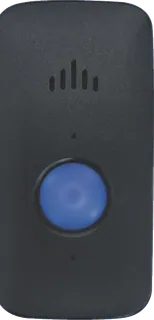
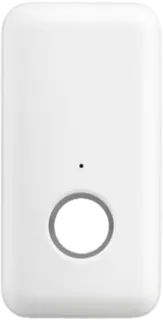
Small, light mobile help button on AT&T or Verizon with GPS and two-way talk. Battery lasts about 36 hours. Device $149, often on sale.
-
Bay Alarm Medical SOS Smartwatch · Bay Alarm Medical
Medical alert smartwatch with a physical SOS button, GPS and two-way talk on 4G LTE. Short battery life (6 to 18 hours) means daily charging. Device $199.
-
Bay Alarm Medical SOS Mobile · Bay Alarm Medical
Mobile pendant with up to 6 days of battery, GPS and Wi-Fi location, on AT&T or Verizon. Sold through Amazon rather than Bay Alarm's own checkout, so pricing varies.
-
MobileHelp Elite · MobileHelp
MobileHelp's lightweight mobile pendant on AT&T with GPS, two-way calling, optional fall detection and no device fee. Wear on a necklace or belt clip; shower-safe.
-
MobileHelp Classic Home · MobileHelp
Cellular home system (AT&T) with up to 1,400 ft range and a waterproof button; fall detection adds $10 a month. Often on sale below its $34.95 regular price.
-
MobileHelp Classic Landline · MobileHelp
MobileHelp's landline home system with a neck pendant and up to 600 ft of range, for homes with a phone line. The cheapest MobileHelp plan.
-
Lively Mobile2 · Lively
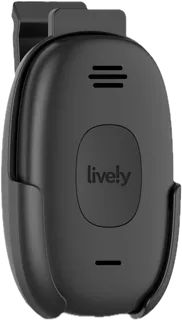
Mobile pendant from the Jitterbug maker with GPS, about 3 days of battery and a low $24.99 monthly Basic plan, plus a $119.99 device. Fall detection adds $9.99 a month; family app included.
-
HomeSafe · Lifeline
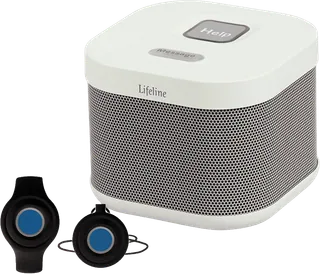
In-home cellular communicator with an 800 ft range and a waterproof button, from the former Philips Lifeline. Fall detection is an add-on; prices are shown only for annual plans.
-
Lifeline On the Go · Lifeline
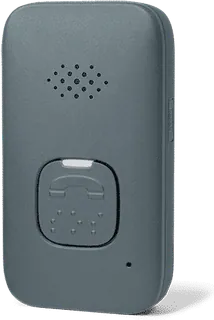
Mobile pendant with GPS, two-way talk and up to 4 days of battery; waterproof. Fall detection is an add-on. Setup and activation fees can apply.
-
Lifeline On the Go Mini · Lifeline
Smaller version of Lifeline's mobile pendant, also wearable as a wristband, with GPS and two-way talk. Fall detection is an add-on.
-
Lifeline Smartwatch · Lifeline
Medical alert smartwatch with GPS and Wi-Fi location and two-way talk, waterproof to 1 meter. Fall detection is an add-on.
-
Aloe Care Essentials · Aloe Care Health
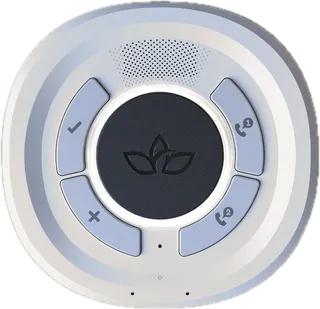
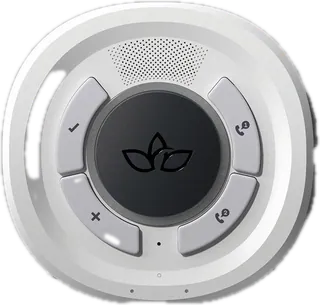
Smart hub with a voice-activated speaker and a wearable button for in-home help, plus a strong caregiver app. $199.99 device; month to month.
-
Aloe Care Essentials Plus · Aloe Care Health
Aloe Care's home hub bundled with its Mobile Companion 2 wearable, adding GPS, fall detection and coverage away from home on AT&T. Higher upfront and monthly cost.
-
Aloe Care Mobile Companion 2 · Aloe Care Health
Standalone mobile wearable with fall detection included, GPS and two-way calling on AT&T, shower-safe, with the Aloe Care family app. $149.99 device.
-
Sidekick Home · LifeStation
Cellular home system on AT&T with a fully waterproof pendant and optional fall detection, monitored by LifeStation's own US centers. From $38.95 a month.
-
Pearl · LifeStation
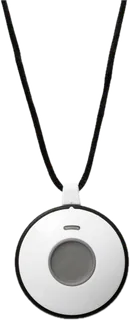
LifeStation's smallest mobile pendant with GPS and Wi-Fi location, fall detection and AT&T LTE. 30-day money-back guarantee; from $42.95 a month.
-
Sidekick Smart · LifeStation
Monitored smartwatch with automatic fall detection, GPS and heart rate and step tracking, answered by LifeStation's US centers. From $42.95 a month.
-
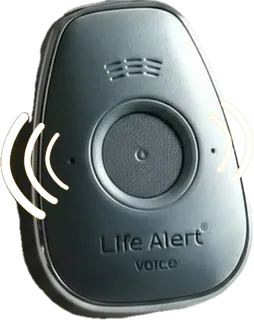
Life Alert Micro Voice Pendant · Life Alert
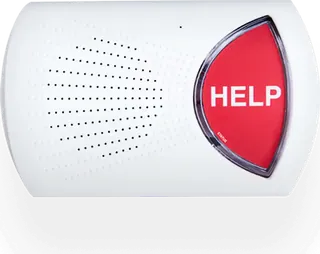
The well-known Life Alert home system with a waterproof two-way voice pendant and 1,000 ft range, answered by its own US dispatch centers. Prices aren't published, and Life Alert is known for multi-year contracts.
-
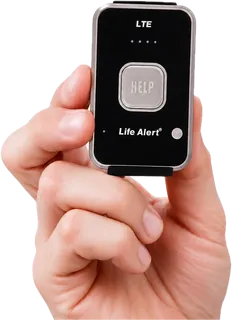
Life Alert HELP On-the-Go + GPS · Life Alert
Life Alert's GPS help button for use away from home on AT&T. Pricing isn't published online; ask about contract length before signing.
Suggest a change
Related comparisons
-
 Multifocal contact lenses
 let people over 40 see near and far without reading glasses. Designs, add powers and materials differ, and the right one is often found by trying a few. This grid compares the main US multifocal lenses on yearly cost, replacement schedule, optical design, add powers, prescription range, astigmatism correction and lens material.
-
 Digital photo frames
 compared: Aura, Skylight, Nixplay and Pix-Star Wi-Fi frames, budget Frameo-based frames, and simple memory-card frames. The real differences are what keeps working without a subscription, how easily the whole family can send photos and videos, how much storage you get, whether it works without Wi-Fi, and how each maker protects your family photos.
-
 High-yield savings accounts
A high-yield savings account pays several times the interest of a typical bank savings account, and most are FDIC insured. Rates are variable, so the details matter: whether the advertised rate applies to everyone or needs deposits, which fees or minimums apply, how quickly you can move money, and who actually holds your money. This grid compares popular online savings accounts side by side. The real trade-offs are a few tenths of a percent of rate against convenience, bonuses that need big deposits, and fintech programs that spread money across partner banks.
-
 Brokerage accounts
A brokerage account lets you buy stocks, ETFs and other investments on your own. Most US brokers now charge nothing to trade stocks and ETFs, so the choice depends on the details: cash interest, margin rates, fractional shares, retirement accounts, research tools, extended-hours trading, and what it costs to leave. This grid compares popular US online brokers side by side on those points. The real trade-offs are low cost against tools and service, and a simple app against depth for active traders.
-
 Countries to live in
Thirty-four popular countries compared for Americans who want to live abroad: how long you can stay without a visa, the easiest route to a long stay, the path to permanent residence and citizenship, what rent and daily life cost, and how safe, healthy and easy to live in each place is. Rules and thresholds change, so confirm the details with the country's government before you commit.
-
 OTC hearing aids
Over-the-counter hearing aids side by side, from earbuds with a built-in hearing aid mode to nearly invisible in-canal aids and models with remote audiologist care. Since 2022, US adults with mild to moderate hearing loss can buy hearing aids without a prescription; the choice is between price, how well the sound is fitted to your hearing, comfort and visibility, and how much help you get afterwards.