



Photography
Mirrorless cameras and lightweight camera drones, compared for stills, video, and easy-to-carry aerial shots.
These comparisons cover gear for making and sharing images: interchangeable-lens cameras for stills and video, and lightweight flying cameras you can carry almost anywhere. The stakes differ. A mirrorless body and lenses can cost thousands and shape what you shoot for years; a sub-250 g drone is a smaller bet but still trades wind handling, flight time, and image quality against size and how easy it is to fly legally.
Questions that cut across both: What are you optimizing for? Stills, video, reach from the air, or the smallest kit that still feels capable. What system are you buying into? Lens mounts and accessories for cameras; batteries, apps, and spare parts for drones. Where will you use it? Indoor light, travel weight, and—for drones—local rules, registration, and whether a model is still sold where you live. What is the real all-in cost? Bodies and drones are rarely the last purchase; cards, filters, extra batteries, and ND filters add up.
Where to start
- Interchangeable-lens stills and video: Mirrorless cameras
- Ultra-light aerial cameras: Sub-250g camera drones
-
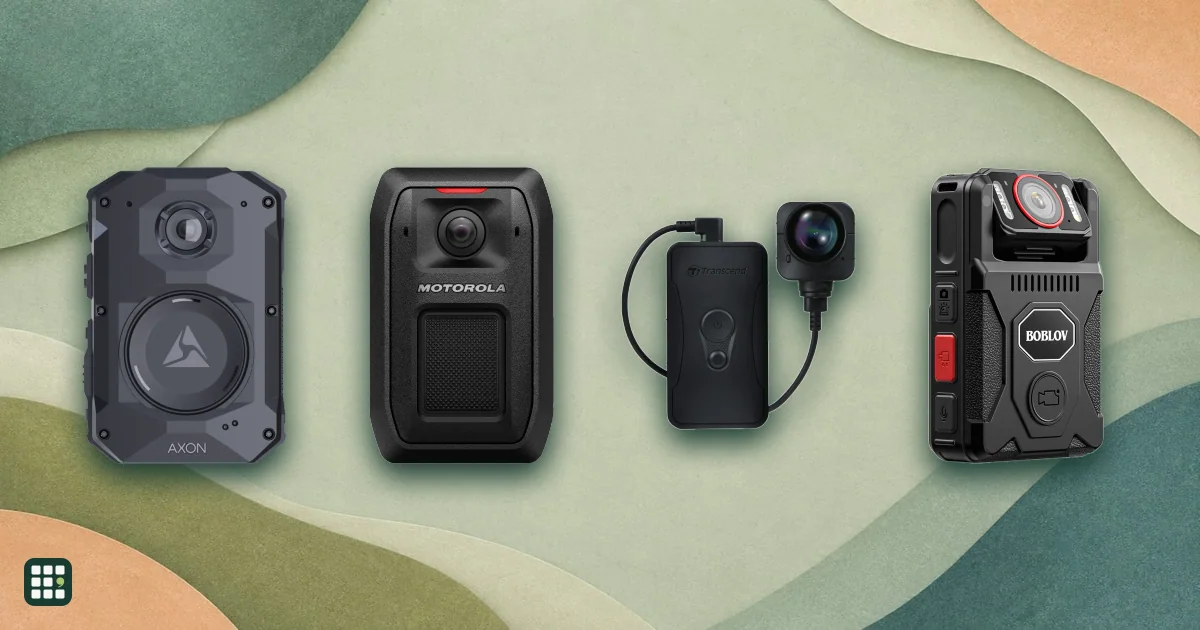 Body cameras
11 products · Updated Nov 16, 2026
Body cameras are wearable video recorders used by security guards, retail and healthcare staff, and police. The real decision is between a cheap camera you buy outright and an agency system that adds cloud storage, evidence software and a contract. This grid compares video quality, battery, storage, GPS, live streaming, durability and cost.
-
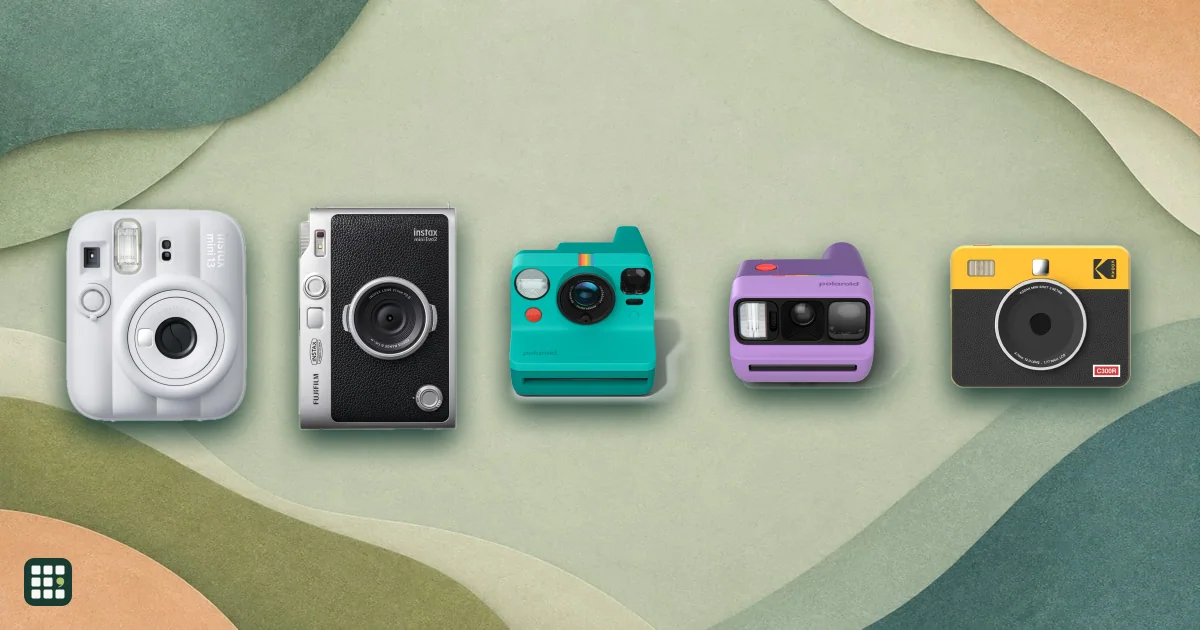 Instant cameras
15 products · Updated Nov 15, 2026
Compare analog instant cameras and digital hybrids from Fujifilm instax, Polaroid and Kodak by print format (mini, square, wide, i-Type), ongoing film cost, creative controls, battery and camera price. Analog models expose a frame each time you press the shutter; hybrids let you choose which digital images to print.
-
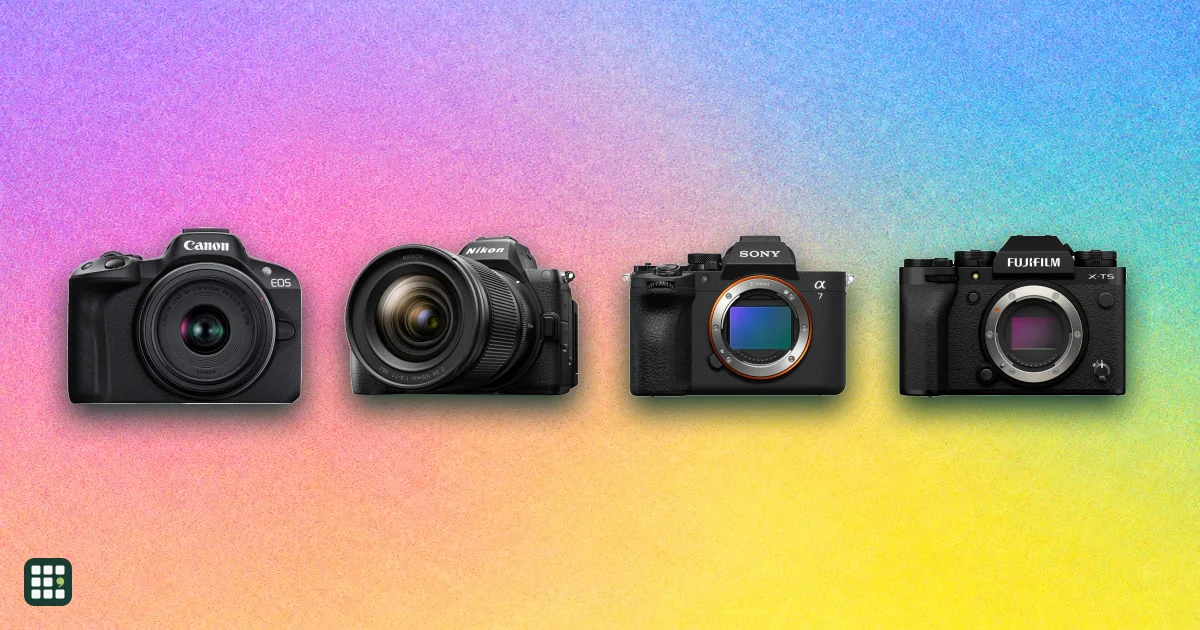 Mirrorless cameras
30 products · Updated Nov 15, 2026
Compare current mirrorless cameras side by side: sensor size, megapixels, stabilization, video, burst speed, battery life, weight and price. The big choices are sensor format (full frame, APS-C or Micro Four Thirds), the lens system you are buying into, and whether you lean toward stills, video or both.
-
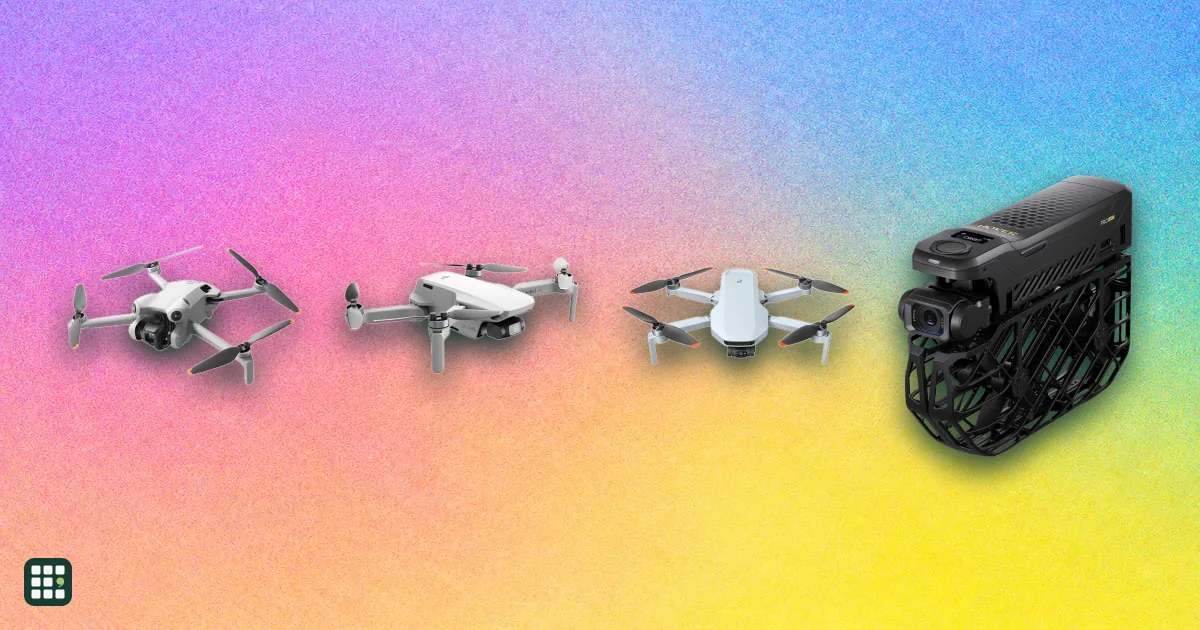 Sub-250g camera drones
17 products · Updated Nov 9, 2026
Camera drones under 250 grams are the easiest way for a hobbyist to start flying. In the US, a drone under 250 g flown for fun needs no FAA registration, and most fold small enough for a jacket pocket. This grid compares 17 of them, from DJI Mini, Flip and Neo to Potensic ATOM, Holy Stone, HOVERAir self-flying cameras, the Antigravity A1 360 drone and the retired Autel EVO Nano+, on camera quality, flight time, obstacle sensing, range, how you control them and, since the FCC's December 2025 Covered List change, whether you can still buy them new in the US. The trade-off is simple: the lightest drones fly shorter and handle wind worse, and the best cameras are the hardest to buy.