



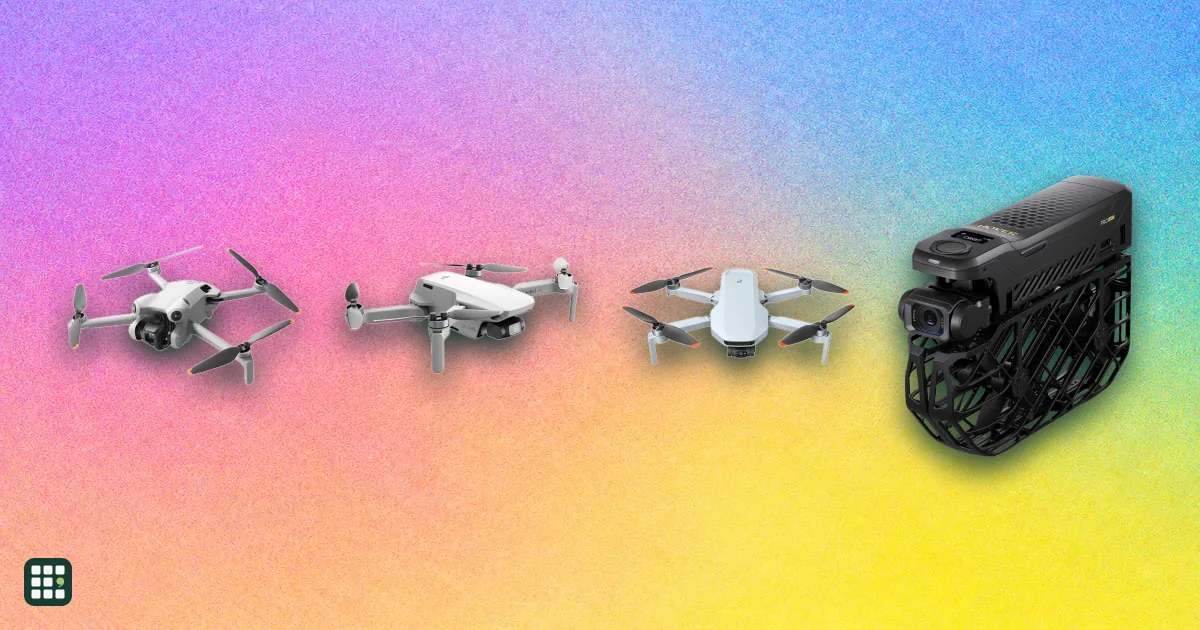
Sub-250g camera drones
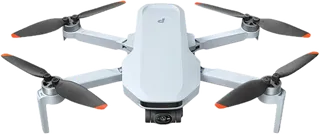
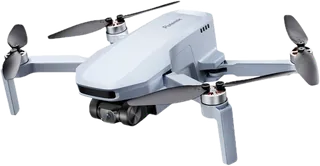
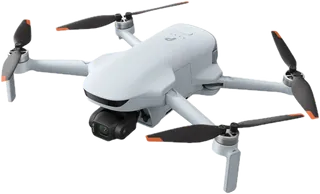
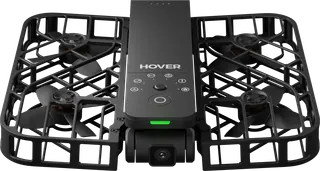
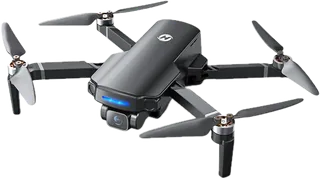
Camera drones under 250 grams are the easiest way for a hobbyist to start flying. In the US, a drone under 250 g flown for fun needs no FAA registration, and most fold small enough for a jacket pocket. This grid compares 17 of them, from DJI Mini, Flip and Neo to Potensic ATOM, Holy Stone, HOVERAir self-flying cameras, the Antigravity A1 360 drone and the retired Autel EVO Nano+, on camera quality, flight time, obstacle sensing, range, how you control them and, since the FCC's December 2025 Covered List change, whether you can still buy them new in the US. The trade-off is simple: the lightest drones fly shorter and handle wind worse, and the best cameras are the hardest to buy.
Last updated
How to choose
Start with the rules and with where you can buy, because both changed recently, then pick the control style and camera you want.
1. Check the weight rule
The FAA says recreational flyers must register a drone that weighs 250 g (0.55 lb) or more, must take the free TRUST test and carry proof, and that a drone needing registration must also broadcast Remote ID (FAA recreational flyers page, updated October 29, 2026). Under 250 g and flown only for fun, none of that registration applies, but TRUST and the flying rules still do. Flying for work or business falls under Part 107 instead, so check the FAA before you charge for footage. Weights here are the maker's figure with the standard battery: DJI lists the Mini 5 Pro at 249.9 g with a plus or minus 4 g tolerance, so weigh yours, and an extended battery can push several of these over 250 g.
2. Check US availability first
On December 22, 2025 the FCC added foreign-produced drones and critical components to its Covered List, which blocks new FCC authorizations for new models. The FCC says drones people already own stay legal to use, and models it authorized earlier can still be imported, sold and marketed (FCC Covered List, version of October 30, 2026; exceptions exist for Blue UAS Cleared List items, domestic end products until January 1, 2028, conditional approvals and toy drones). In practice, newer models may not reach the US or may come only through resellers: DJI USA says the Mini 5 Pro is not sold through DJI's official channels, and Potensic says the ATOM 3 is not available in the United States. Stock changes quickly, so use the US availability feature as a snapshot dated November 6, 2026, and ask the seller about warranty and support before you buy.
3. Pick how you want to fly
- Controller in the kit: best range and control, and the choice for anything beyond a backyard.
- Phone or palm launch only: the DJI Neo family and HOVERAir cameras fly without a controller and track you hands-free, but have little range and limited manual control.
- Camera first: a 1/1.3-inch or larger sensor, a 3-axis gimbal and 4K at 60 fps or more cost the most; electronic stabilization only (ATOM SE) is cheaper and crops the image.
4. Weigh safety and conditions
Omnidirectional obstacle sensing prevents crashes in trees but only the DJI Mini 5 Pro, Mini 4 Pro and Neo 2 have it; downward sensors only help hover and landing. Very light drones struggle in wind: compare the wind resistance feature and keep the drone in sight. Check Remote ID if you ever plan to fly commercially or carry extra weight: DJI says the Mini 4 Pro and Mini 3 broadcast it only with the heavier Plus battery, and the Mini 4K does not provide it.
5. Plan for batteries and full cost
Flight time is a lab figure; budget for two or three spare batteries. Compare kit prices carefully: a drone-only kit needs your phone or a separate controller. Prices here are regular list prices, not sales.
Answer
Browse the table. Filter to what matters.
Use the filters below, then sign in if you want to shortlist and decide with friends.
Sign in to vote, hide products and features, and reorder.
Verified: hover a cell and click its green dot for the source Estimate: no cited source Not stated: the maker doesn't publish it
| Feature | ⠿ | ⠿ | ⠿ | ⠿ | ⠿ | ⠿ | ⠿ | ⠿ | ⠿ | ⠿ | ⠿ | ⠿ | ⠿ | ⠿ | ⠿ | ⠿ | ⠿ |
|---|---|---|---|---|---|---|---|---|---|---|---|---|---|---|---|---|---|
|
⠿
Price
|
|||||||||||||||||
|
⠿
Takeoff weight
|
|||||||||||||||||
|
⠿
US availability
|
Out of stock at DJI USA reseller
|
In stock at DJI USA reseller
|
In stock at DJI USA reseller
|
In stock at DJI USA reseller
|
In stock at DJI USA reseller
|
Maker US store; out of stock when checked
|
Maker's US store
|
Maker's US store
|
Maker's US store; in stock when checked
|
Maker's US store; in stock when checked
|
|||||||
|
⠿
Remote ID broadcast
|
|||||||||||||||||
|
⠿
Flight time
|
40 min
|
||||||||||||||||
|
⠿
Sensor size
|
1/2-inch
|
||||||||||||||||
|
⠿
Photo resolution
|
|||||||||||||||||
|
⠿
Highest video resolution
|
|||||||||||||||||
|
⠿
Highest 4K frame rate
|
Doesn't apply
|
||||||||||||||||
|
⠿
Stabilization
|
3-axis gimbal
|
3-axis gimbal
|
Electronic only (no gimbal)
|
||||||||||||||
|
⠿
Vertical video shooting
|
|
|
|
|
|
|
|||||||||||
|
⠿
Obstacle sensing
|
None stated
|
None stated
|
None stated
|
None stated
|
|||||||||||||
|
⠿
Subject tracking
|
|
|
|
|
|
||||||||||||
|
⠿
Video transmission range
|
|||||||||||||||||
|
⠿
Wind resistance
|
10.7 m/s
|
10.7 m/s
|
10.7 m/s
|
||||||||||||||
|
⠿
Controller in base kit
|
|
|
|
|
|
|
|||||||||||
|
⠿
Flies without controller
|
|
|
|
|
|
|
|
|
|
|
|
||||||
|
⠿
Satellite positioning
|
|
|
|||||||||||||||
|
⠿
Internal storage
|
Doesn't apply
|
Doesn't apply
|
Doesn't apply
|
||||||||||||||
|
⠿
Extended battery option
|
None offered
|
None offered
|
None offered
|
None offered
|
None offered
|
None offered
|
None offered
|
Why these features matter
-
Price ($)
Kits differ: a drone-only kit that needs your phone costs less than one with a controller, and extra batteries are what make these drones useful.
-
Takeoff weight (g)
Under 250 g means no FAA registration for recreational flying, but a few units can weigh over; drones listed near 250 g deserve a kitchen-scale check.
-
US availability
Since the FCC added foreign-made drones to its Covered List in December 2025, new foreign models cannot be authorized for US sale, so newer drones may only arrive as grey imports or not at all.
-
Remote ID broadcast
Under-250 g recreational flights do not need Remote ID, but it matters if you fly for work under Part 107, add weight, or want a drone that is compliant everywhere.
-
Flight time (min)
Flight time decides how many shots you get per battery; carry spares for anything under 30 minutes.
-
Sensor size
A larger sensor gives cleaner low-light and dynamic range, the main reason premium models cost more.
-
Photo resolution (MP)
Megapixels only matter for cropping and large prints; sensor size matters more for quality.
-
Highest video resolution
Most people only need 4K; higher resolution allows cropping but needs more storage and editing power.
-
Highest 4K frame rate (fps)
Higher frame rates let you slow footage down; 60 fps is the point where motion looks smooth for action.
-
Stabilization
A 3-axis gimbal gives the smoothest footage; electronic stabilization only is cheaper and crops the image.
-
Vertical video shooting
Vertical clips for social media look best when shot natively rather than cropped from landscape.
-
Obstacle sensing
Sensors prevent crashes in trees and near buildings, a big help for beginners; downward sensors only help hover and landing.
-
Subject tracking
Tracking turns a drone into a hands-free camera operator for sports and vlogs.
-
Video transmission range (km)
Real range is far shorter in cities and trees; US law requires you to keep the drone in sight anyway.
-
Wind resistance (m/s)
Light drones get pushed around: 10.7 m/s handles a breezy day, while lighter selfie drones need calm conditions.
-
Controller in base kit
A controller is needed for range and control; a phone-only kit is cheaper but has short range and weaker control.
-
Flies without controller
Self-flying cameras and selfie drones are simpler to use but give up manual control and range.
-
Satellite positioning
GPS gives stable hover outdoors and a reliable return home if you lose signal.
-
Internal storage (GB)
Built-in storage backs up memory cards; without it, a dead card means a lost flight.
-
Extended battery option
Extended batteries can add 10+ minutes but may push the drone over 250 g and into FAA registration.
About the products
-
DJI Mini 5 Pro · DJI
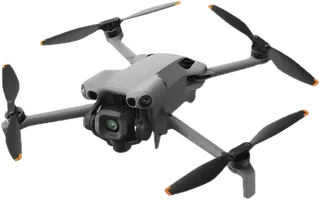
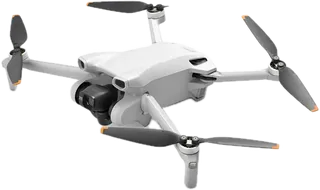
The class's best camera: a 1-inch sensor, forward LiDAR and omnidirectional sensing. DJI lists 249.9 g with a +/-4 g tolerance, so weigh yours. DJI does not sell it through official US channels; US stock comes from authorized resellers.
-
DJI Mini 4 Pro · DJI
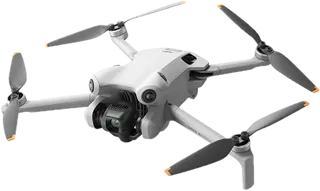
The previous flagship Mini: 1/1.3-inch 48 MP camera, omnidirectional obstacle sensing and 20 km transmission. The Plus battery adds flight time but pushes the aircraft over 249 g. Out of stock at DJI USA when checked.
-
DJI Mini 4K · DJI
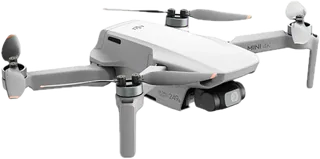
DJI's cheapest Mini: a 1/2.3-inch 4K camera, a 3-axis gimbal and GPS, with no obstacle sensing. A simple first camera drone for calm conditions.
-
DJI Mini 3 · DJI
Older 1/1.3-inch Mini with true vertical shooting and up to 51 minutes on the Plus battery, but no obstacle sensing beyond a downward sensor and a shorter 10 km link.
-
DJI Flip · DJI
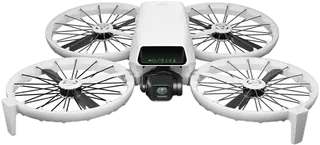
A Mini-class camera with built-in propeller guards, forward infrared sensing and 4K up to 100 fps, aimed at vloggers.
-
DJI Neo 2 · DJI
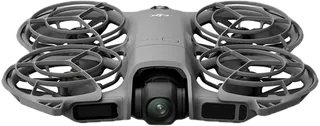
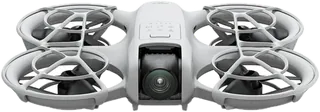
A palm-launch selfie drone with full-coverage propeller guards, omnidirectional obstacle sensing, 4K/60 and 49 GB built in. Flies from the phone or an optional controller.
-
DJI Neo · DJI
The cheapest way into palm-launch selfie flying: 135 g, 4K at 30 fps and a downward sensor only. The drone-only kit has no controller; the phone is the remote.
-
ATOM 2 · Potensic
Budget 1/2-inch 48 MP camera with AI tracking, 10 km transmission and built-in Remote ID, but no obstacle avoidance. Out of stock on Potensic's store when checked.
-
ATOM SE · Potensic
Low-cost GPS drone with a 4K electronic-stabilized camera and 4 km range. No gimbal, no tracking and no obstacle sensing beyond a downward sensor.
-
ATOM 3 · Potensic
Potensic's newest: 1/1.3-inch 4K/60 camera, 16 km link and long-flight batteries. Potensic says it is not available in the United States.
-
HOVERAir X1 · HOVERAir
A 125 g pocket self-flying camera that launches from your palm and follows you with no controller. Short 11 minute flights and a 1/2.7-inch 2.7K camera.
-
HOVERAir X1 PRO · HOVERAir
Hands-free follow camera with a 1/2-inch 4K/60 sensor, 2-axis gimbal and AI tracking at up to 42 km/h; no joysticks needed.
-
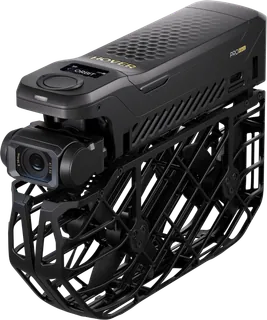
HOVERAir X1 PROMAX · HOVERAir
The flagship follow camera: 1/1.3-inch sensor, 8K/30 video, 4K/120 slow motion and 64 GB built in, in a 192 g body.
-
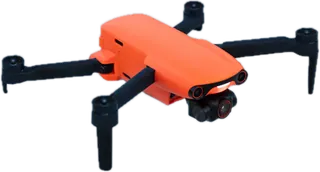
EVO Nano+ · Autel Robotics · Discontinued Jul 2025
A 1/1.28-inch 50 MP camera, 3-axis gimbal and three-way obstacle sensing at 249 g. Autel stopped selling the EVO Nano series on July 18, 2025 and shows it sold out on its store; support runs to July 2030.
-
A1 · Antigravity
An 8K 360-degree camera drone with head-tracking goggles and a motion controller, 249 g with the standard battery (291 g with the high-capacity one). A different tool from a normal camera drone: you choose the framing after the flight.
-
HS360G · Holy Stone
A budget 249 g GPS drone with a 48 MP camera, 3-axis gimbal and 6 km link. The price is Holy Stone's regular list price for the Starter kit; the store currently sells it at $399.99 (a launch sale).
-
HS360S · Holy Stone
The cheapest GPS drone in the grid: 4K from a small 1/3-inch sensor, optical-flow hover and a wired phone link, with no gimbal or obstacle sensing. Many specs are not published. The price is Holy Stone's regular list price; the store currently sells it at $179.99.
Suggest a change
Related comparisons
-
 Mirrorless cameras
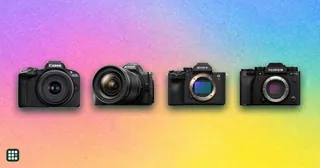
Compare current mirrorless cameras side by side: sensor size, megapixels, stabilization, video, burst speed, battery life, weight and price. The big choices are sensor format (full frame, APS-C or Micro Four Thirds), the lens system you are buying into, and whether you lean toward stills, video or both.
-
 Instant cameras
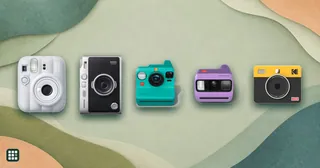
Compare analog instant cameras and digital hybrids from Fujifilm instax, Polaroid and Kodak by print format (mini, square, wide, i-Type), ongoing film cost, creative controls, battery and camera price. Analog models expose a frame each time you press the shutter; hybrids let you choose which digital images to print.
-
 Beginner FPV drone kits
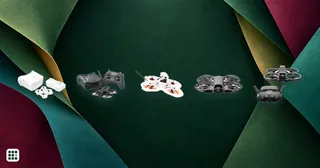
A ready-to-fly FPV kit puts a drone, goggles and a radio in one box, so a first-time pilot can fly the same day. This grid compares beginner kits from BetaFPV, EMAX, GEPRC, HGLRC and DJI: analog whoops from about $120 to $360, an HDZero digital kit at $525, and three DJI digital combos at $599, $979 and $1,019. The real trade-offs are price against flight time, brushless power against forgiveness, open standards (ExpressLRS, Betaflight, analog goggles) against a polished closed system, and what the box leaves out, such as spare batteries, a charger or radio batteries.
-
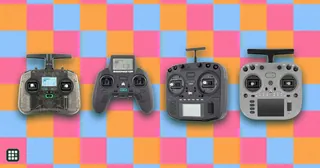 FPV radio transmitters
The transmitter is the one piece of FPV gear you keep through every drone you own. This grid compares the radios hobbyists actually buy, from the cheapest pocket radios to full-size touchscreen radios: link (ExpressLRS, Crossfire, Tracer), firmware (EdgeTX or fixed), size and weight, gimbals, screen, batteries, module bay and simulator support. The real trade-offs are size against comfort, open EdgeTX against simple fixed firmware, and how much range you need.
-
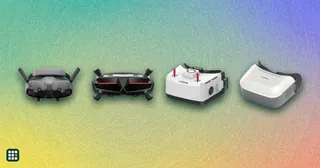 Digital FPV video systems
Digital FPV replaced the fuzzy analog picture with HD video, but each system is its own ecosystem: goggles and air units from one brand do not work with another's. This grid compares the main systems as a pilot buys them, goggles plus air unit, from the cheap analog baseline up to DJI's flagship, so you can weigh price, latency, picture quality, weight, range and openness before committing.
-
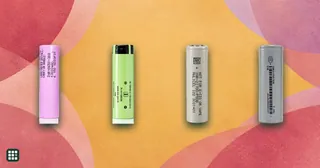 18650 and 21700 cells for long-endurance drones
Individual 18650 and 21700 lithium-ion cells are the usual choice for a homebuilt, long-endurance quadcopter or fixed-wing pack: cheap, light and easy to hold in a 3D-printed frame. This grid compares twenty cells on what decides flight time (guaranteed capacity, energy per gram, weight) and on whether they can feed a hover (continuous current, internal resistance, cold limit). Figures come from the makers' own data sheets as quoted by the retailer or the maker, and we flag draft specs and cells you cannot actually buy.