



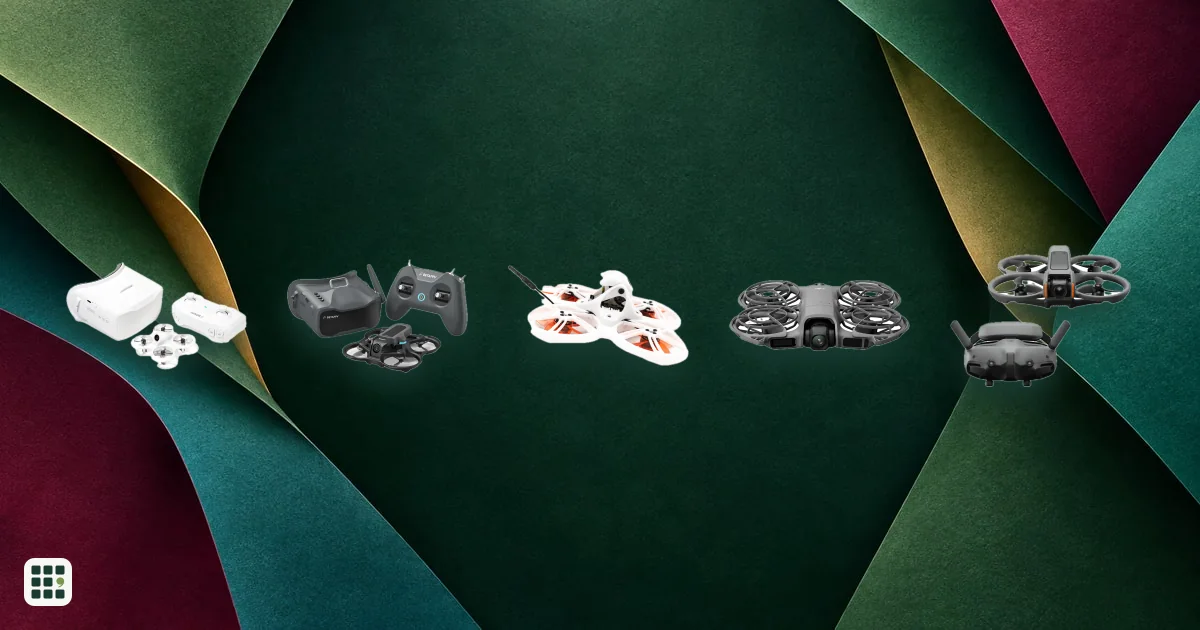
Beginner FPV drone kits
A ready-to-fly FPV kit puts a drone, goggles and a radio in one box, so a first-time pilot can fly the same day. This grid compares beginner kits from BetaFPV, EMAX, GEPRC, HGLRC and DJI: analog whoops from about $120 to $360, an HDZero digital kit at $525, and three DJI digital combos at $599, $979 and $1,019. The real trade-offs are price against flight time, brushless power against forgiveness, open standards (ExpressLRS, Betaflight, analog goggles) against a polished closed system, and what the box leaves out, such as spare batteries, a charger or radio batteries.
Last updated
How to choose
Start with the question every beginner kit answers differently: what do you want to learn? A hobby FPV quad (a whoop) teaches stick skills and costs little to crash. A DJI combo is easier and shows a sharper picture, but costs several times more and is a closed system.
Rule out deal-breakers first
- Budget: a complete kit is cheaper than buying goggles, radio, batteries and a charger separately. Add the price of one or two spare batteries.
- Weight: a drone under 250 g needs no FAA registration or Remote ID for hobby flying in the US. Every whoop here is under 250 g; the Avata 2 is not.
- Where you will fly: a 35 g whoop is for a living room or calm backyard. Wind overpowers it.
- Availability: several of these kits were sold out at their makers when checked. DJI is also on the US FCC Covered List, so new DJI models cannot be sold in the US; older models like these were authorized before the listing, and stock varies.
Compare the features that matter
- Hover assist and turtle mode make the first week much less frustrating. Brushless 2S kits lose hover assist but gain power and flight time.
- Radio link: ExpressLRS is the open standard with the widest hardware support; FrSky D8 and DJI's link tie you to one maker.
- Goggles and recording: check glasses fit and whether they record. Some analog goggles in this grid do not record at all.
- Simulator support: a radio that works as a PC controller lets you practice free in a simulator. DJI's motion controller does not.
- Hidden costs: some radios need two 18650 cells and some kits ship with one battery or no charger.
Before you buy
Check the maker's page for the exact kit contents and for the version you choose (flight controller, throttle mode). Read the how-to sections of the maker's own manual, check local rules for flying, and treat range and flight time claims as best-case figures.
Answer
Browse the table. Filter to what matters.
Use the filters below, then sign in if you want to shortlist and decide with friends.
Sign in to vote, hide products and features, and reorder.
Verified: hover a cell and click its green dot for the source Estimate: no cited source Not stated: the maker doesn't publish it
| Feature | ⠿ | ⠿ | ⠿ | ⠿ | ⠿ | ⠿ | ⠿ | ⠿ | ⠿ | ⠿ | ⠿ | ⠿ | ⠿ | ⠿ | ⠿ | ⠿ |
|---|---|---|---|---|---|---|---|---|---|---|---|---|---|---|---|---|
|
⠿
Price
|
$299
|
|||||||||||||||
|
⠿
Video system
|
Analog 5.8 GHz
|
Analog 5.8 GHz
|
||||||||||||||
|
⠿
Drone class
|
||||||||||||||||
|
⠿
Brushless motors
|
|
|
|
|
|
|
|
|||||||||
|
⠿
Goggles in kit
|
||||||||||||||||
|
⠿
Video recording
|
None
|
None
|
||||||||||||||
|
⠿
Camera
|
Integrated analog camera, 25 degree tilt
|
|||||||||||||||
|
⠿
Radio in kit
|
||||||||||||||||
|
⠿
Radio link
|
||||||||||||||||
|
⠿
Radio batteries included
|
|
|
|
|
|
|
|
|||||||||
|
⠿
Simulator practice with kit radio
|
||||||||||||||||
|
⠿
Weight without battery
|
54.8 g
|
48 g
|
||||||||||||||
|
⠿
Takeoff weight
|
||||||||||||||||
|
⠿
Flight time
|
about 4 min
|
about 4 min
|
6+ min
|
|||||||||||||
|
⠿
Video range
|
up to 500 m
|
|||||||||||||||
|
⠿
Altitude hold
|
|
|
|
|
|
|
|
|||||||||
|
⠿
Obstacle sensing
|
None
|
None
|
None
|
None
|
None
|
None
|
None
|
None
|
None
|
None
|
None
|
None
|
None
|
|||
|
⠿
Turtle mode
|
|
|
|
|
|
|
|
|
|
Doesn't apply
|
||||||
|
⠿
Built in prop protection
|
|
|
|
|
|
|
|
|||||||||
|
⠿
Betaflight support
|
|
|
|
|
|
Doesn't apply
|
Doesn't apply
|
Doesn't apply
|
||||||||
|
⠿
Batteries included
|
||||||||||||||||
|
⠿
Charger included
|
||||||||||||||||
|
⠿
Carry bag included
|
|
|
|
|
|
|
||||||||||
|
⠿
Under 250 g
|
|
|
|
|||||||||||||
|
⠿
Where it flies best
|
Indoor
|
Indoor and outdoor
|
Indoor and outdoor
|
Outdoor
|
||||||||||||
|
⠿
Best for
|
Kids and the cheapest first taste of FPV
|
Young pilots on a small budget, indoors
|
A first brushless whoop with hover assist
|
Beginners who want 2S power and Betaflight later
|
Beginners who want longer flights and DVR goggles
|
Beginners who want 2S power and 10 minute flights
|
An indoor ExpressLRS starter on a one-battery kit
|
A digital HD whoop without DJI lock-in
|
Existing FrSky radio owners or a discounted indoor kit
|
Indoor starters ready to try the backyard
|
Beginners who want onboard 4K and a Betaflight quad
|
A budget Betaflight whoop with ExpressLRS
|
Beginners who want 2S power and acro room to grow
|
Easy palm-launch flying with obstacle sensing and 4K
|
An outdoor 4K FPV cinewhoop with motion control
|
360 degree and 8K shots with FPV control
|
Why these features matter
-
Price ($)
A complete kit saves you buying goggles, radio, batteries and a charger separately, but the price range is wide, from about $120 to over $1,000. Check what is in the box before comparing.
-
Video system
Analog is cheap, robust and works with any analog goggles, but the picture is grainy. Digital is sharp but locks you into one maker and costs far more.
-
Drone class
Brushed 1S whoops are gentle and cheap but weak; brushless and 2S models are faster and last longer but are harder to fly.
-
Brushless motors
Brushless motors last longer and give more power and flight time, but brushed models are cheaper and mellower for a first flight.
-
Goggles in kit
Goggles are the biggest part of the cost and the comfort. Check glasses fit, screen quality and whether they record.
-
Video recording
Recording lets you review crashes and share flights; some analog goggles and drones cannot record at all.
-
Camera
A better camera shows more in dim light and gives a clearer picture, especially on analog video.
-
Radio in kit
A good radio is your main control surface and the one part you keep when you upgrade the drone.
-
Radio link
ExpressLRS is the open standard with the best range and the most compatible hardware. FrSky D8 and closed digital links limit what else you can fly.
-
Radio batteries included
A radio that needs two 18650 cells you must buy adds cost and a charger before your first flight.
-
Simulator practice with kit radio
A simulator is the cheapest way to learn without crashing a real drone. A radio that works in one saves you buying a second controller.
-
Weight without battery (g)
Lighter drones hurt less on impact and under 250 g needs no FAA registration for hobby flying.
-
Takeoff weight (g)
The 250 g mark decides whether you must register with the FAA and use Remote ID for hobby flying in the US.
-
Flight time (min)
Whoops fly for minutes, not tens of minutes, so spare batteries matter more than a few minutes of headline time.
-
Video range (m)
Range matters little indoors but a lot outside; stated ranges are best case.
-
Altitude hold
Hover assist is the safety net that lets a beginner take their hands off the sticks and land safely.
-
Obstacle sensing
Sensors help a first outdoor flight but raise the price and weight, and are rare on hobby whoops.
-
Turtle mode
Turtle mode saves a walk across the room after every flip-over crash.
-
Built in prop protection
Guards protect props, walls and fingers for indoor learning, at a small cost in weight.
-
Betaflight support
Betaflight is the open firmware most hobby pilots tune; a Betaflight starter grows with you, a closed one does not.
-
Batteries included
A kit with one battery means five minutes of flying then an hour of charging; more batteries cost more but are worth it.
-
Charger included
Without a charger you cannot fly, and the right 1S charger costs extra.
-
Carry bag included
A bag keeps the drone, goggles and radio together when you carry them.
-
Under 250 g
In the US, hobby drones under 250 g do not need FAA registration or Remote ID.
-
Where it flies best
Most whoops are tuned for living rooms; wind quickly overwhelms a 35 g drone.
-
Best for
Use this as a starting point, then check the feature rows that matter most to you.
About the products
-
Cetus Lite FPV Kit · BetaFPV
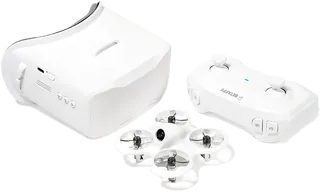
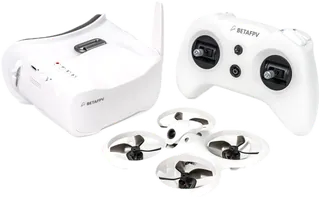
The cheapest complete way to try FPV: a 34 g brushed whoop with altitude hold, VR02 goggles and the small LiteRadio 1 sized for kids. Short flights and no recording, so it is a first taste of FPV rather than a drone to grow with. BetaFPV also sells a version without goggles; this is the goggles version. Listed at $109.99 on sale.
-
Cetus FPV Kit · BetaFPV
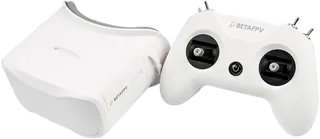
A brushed 1S whoop with barometer and optical-flow altitude hold, VR02 goggles and a LiteRadio 2 SE with a built-in battery. The classic gentle starter: slow to forgive nothing, but crash-proof and easy to hover indoors. The kit was out of stock on BetaFPV when checked. Listed at $149.99 on sale.
-
Cetus Pro FPV Kit · BetaFPV
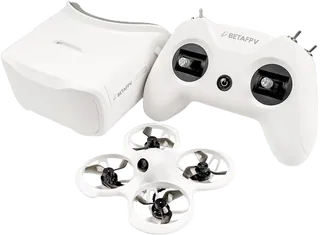
The Cetus platform with brushless motors, turtle mode and the same hover-assist safety net. Still FrSky D8 radio and goggles without recording, so it is the simplest brushless way in rather than the most capable. The kit was out of stock on BetaFPV when checked. Listed at $189.99 on sale.
-
Cetus X FPV Kit · BetaFPV
A 2S brushless whoop with VR03 goggles that record to microSD and a LiteRadio 3. Choose the Betaflight flight controller (ExpressLRS, learn real FPV setup) or the Cetus flight controller (FrSky, altitude hold); hover assist exists only on the Cetus version. The kit was out of stock on BetaFPV when checked; the lowest version is listed at $239.99 on sale.
-
Aquila16 FPV Kit · BetaFPV
An inverted-duct 1S brushless whoop with an 8 minute flight time, 350 mW video, VR03 goggles with DVR and an ExpressLRS LiteRadio 2 SE that works as a simulator controller. A well-rounded in-stock starter for indoors and light outdoor flying.
-
Aquila20 FPV Kit · BetaFPV
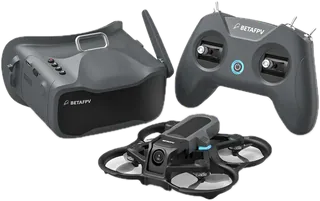
The step-up Aquila: 2S power, about 10 minutes of flight, 350 mW analog video, VR04 glasses-friendly goggles that record, and an ExpressLRS LiteRadio 4 SE with Bluetooth simulator mode. This is the analog version; BetaFPV also sells a digital HD version that is restricted from US drone use.
-
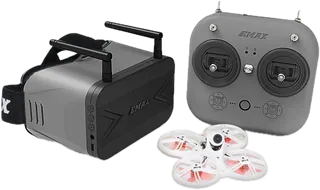
Tinyhawk III Plus RTF Kit · EMAX
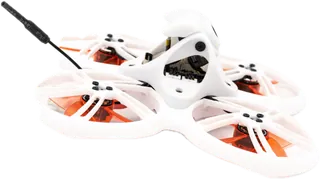
A 76 mm brushless ExpressLRS whoop with a 400 mW analog video link, EMAX Transporter 2 goggles and the E8 radio, pre-tuned for indoor flying. The maker publishes few specs, so weight and flight time come from retailers or are estimates. The kit ships with only one battery and a charger, so most pilots add spares. EMAX also sells an HDZero version at a higher price; this is the analog one.
-
Tinyhawk III Plus HDZero RTF Kit · EMAX
The digital version of the Tinyhawk III Plus: the same 76 mm brushless ExpressLRS whoop with an HDZero camera and video link and HDZero Transporter 2 goggles. It is the cheapest open digital HD way in at about $525, a sharper picture than analog without DJI lock-in. Ships with one battery and a charger.
-
Tinyhawk III RTF Kit · EMAX · Superseded Oct 2023
The previous-generation Tinyhawk kit that the Tinyhawk III Plus replaced in 2023, still in stock at EMAX USA. A 76 mm brushless whoop with a RunCam Nano 4 camera, FrSky D8/D16 radio link (not ExpressLRS) and goggles and radio in the box; flight time is about 4 minutes.
-
Tinyhawk Lite Adventure RTF Kit · EMAX
A 115 mm brushed 1S whoop with a 400 mW analog video link, ExpressLRS and an 850 mAh battery, built to fly indoors and then try outdoors. Goggles and radio are in the box, but EMAX does not publish their models, flight time or range. The kit ships with one battery and a charger.
-
TinyGO 4K RTF · GEPRC
A 79 mm brushless 1S whoop with a Caddx Loris 4K camera that records onboard, a 4.3 inch 800x480 goggle and an ExpressLRS radio, plus four batteries. A hobby-grade Betaflight quad that suits beginners willing to learn; the radio needs two 18650 cells that are not included. Out of stock at GEPRC when checked.
-
TinyGO Racing RTF · GEPRC
The cheaper TinyGO: the same 79 mm Betaflight whoop with an analog camera, 4.3 inch goggles that can record, an ExpressLRS radio and four batteries, but no battery charger in the box. Radio batteries (two 18650 cells) are not included. Out of stock at GEPRC when checked.
-
Draknight RTF Set · HGLRC
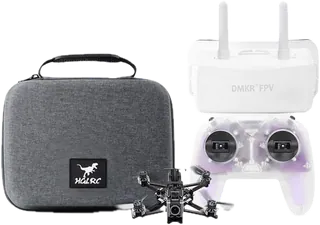
A 2 inch 2S brushless micro with an aluminum top plate, two 720 mAh batteries, a game-style ExpressLRS radio with built-in 18650 cells, a simulator dongle and basic analog goggles that do not record. It is more powerful than a typical whoop kit, so it suits beginners ready for acro flying. Out of stock at HGLRC when checked.
-
Neo 2 Motion Fly More Combo · DJI
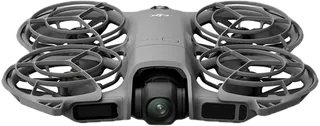
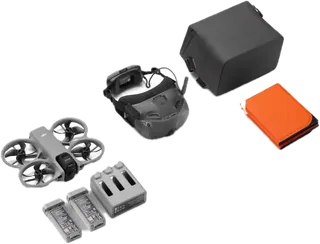
Not a hobby FPV quad but the easiest on-ramp: a 160 g palm-launch camera drone with omnidirectional obstacle sensing, 4K video, Goggles N3 and the RC Motion 3 motion controller. Fly it by tilting your hand, with three batteries and prop guards. Price is the djiusa.com listing; DJI is on the US FCC Covered List, so new DJI models are blocked but this one was authorized earlier, and stock varies.
-
Avata 2 Fly More Combo · DJI
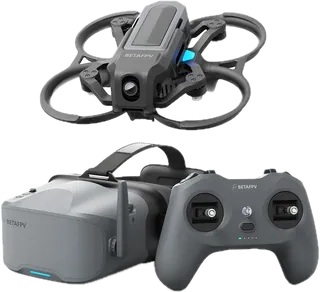
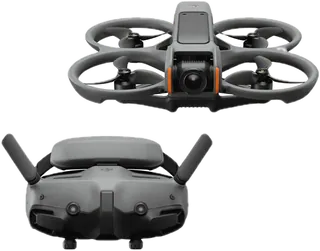
The premium, safest way into FPV: a 377 g ducted cinewhoop with a 1/1.3 inch 4K camera, 23 minute flights, DJI Goggles 3 and the RC Motion 3, with three batteries. It weighs over 250 g, so it needs FAA registration and Remote ID, and it costs several times a whoop kit. Price is the djiusa.com listing; DJI is on the US FCC Covered List, so new DJI models are blocked but this one was authorized earlier, and stock varies.
-
Avata 360 Motion Fly More Combo · DJI
The newest DJI FPV entry point: a 455 g drone with dual 8K 360 degree cameras, omnidirectional obstacle sensing, 23 minute flights, DJI Goggles N3 and the RC Motion 3, plus three batteries and a sling bag. It weighs over 250 g, so it needs FAA registration and Remote ID. Price is the djiusa.com listing; DJI is on the US FCC Covered List, so check that a given DJI model is still sold new before you buy.
Suggest a change
Related comparisons
-
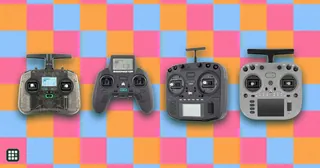 FPV radio transmitters
The transmitter is the one piece of FPV gear you keep through every drone you own. This grid compares the radios hobbyists actually buy, from the cheapest pocket radios to full-size touchscreen radios: link (ExpressLRS, Crossfire, Tracer), firmware (EdgeTX or fixed), size and weight, gimbals, screen, batteries, module bay and simulator support. The real trade-offs are size against comfort, open EdgeTX against simple fixed firmware, and how much range you need.
-
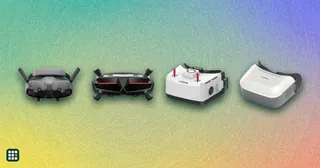 Digital FPV video systems
Digital FPV replaced the fuzzy analog picture with HD video, but each system is its own ecosystem: goggles and air units from one brand do not work with another's. This grid compares the main systems as a pilot buys them, goggles plus air unit, from the cheap analog baseline up to DJI's flagship, so you can weigh price, latency, picture quality, weight, range and openness before committing.
-
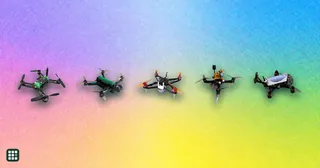 3D-printable long-endurance quadcopters (18650 and 21700)
Printable quadcopter frames that run on single Li-ion cells fly far longer than the same size of drone on a LiPo, but the real decision is size, cell format and how many cells. This grid compares fourteen published designs and builds, from a 3 inch single 18650 to a 4S 21700 4 inch frame, with two non-printed benchmarks (a one-hour ArduPilot quad and a 34-minute single-cell quad), on flight time and how it was measured, weight, cells, print difficulty, GPS and phone-link support, and an estimated box footprint. It is honest about the gaps: almost no design documents a phone link, and most flight times are the designer's own claim.
-
FPV flight controller stacks
A flight controller stack pairs the brain of a quad (the flight controller) with a 4-in-1 ESC that drives its four motors. This grid compares current stacks for 3 to 7 inch FPV builds on processor, ESC current, battery voltage, mounting size and wireless setup, so you can match a stack to your frame, motors and battery.
-
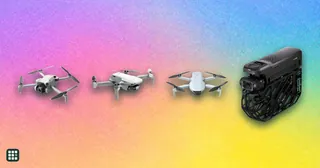 Sub-250g camera drones
Camera drones under 250 grams are the easiest way for a hobbyist to start flying. In the US, a drone under 250 g flown for fun needs no FAA registration, and most fold small enough for a jacket pocket. This grid compares 17 of them, from DJI Mini, Flip and Neo to Potensic ATOM, Holy Stone, HOVERAir self-flying cameras, the Antigravity A1 360 drone and the retired Autel EVO Nano+, on camera quality, flight time, obstacle sensing, range, how you control them and, since the FCC's December 2025 Covered List change, whether you can still buy them new in the US. The trade-off is simple: the lightest drones fly shorter and handle wind worse, and the best cameras are the hardest to buy.
-
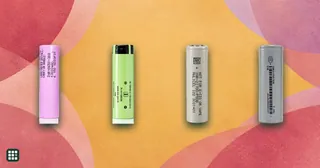 18650 and 21700 cells for long-endurance drones
Individual 18650 and 21700 lithium-ion cells are the usual choice for a homebuilt, long-endurance quadcopter or fixed-wing pack: cheap, light and easy to hold in a 3D-printed frame. This grid compares twenty cells on what decides flight time (guaranteed capacity, energy per gram, weight) and on whether they can feed a hover (continuous current, internal resistance, cold limit). Figures come from the makers' own data sheets as quoted by the retailer or the maker, and we flag draft specs and cells you cannot actually buy.