



Digital FPV video systems
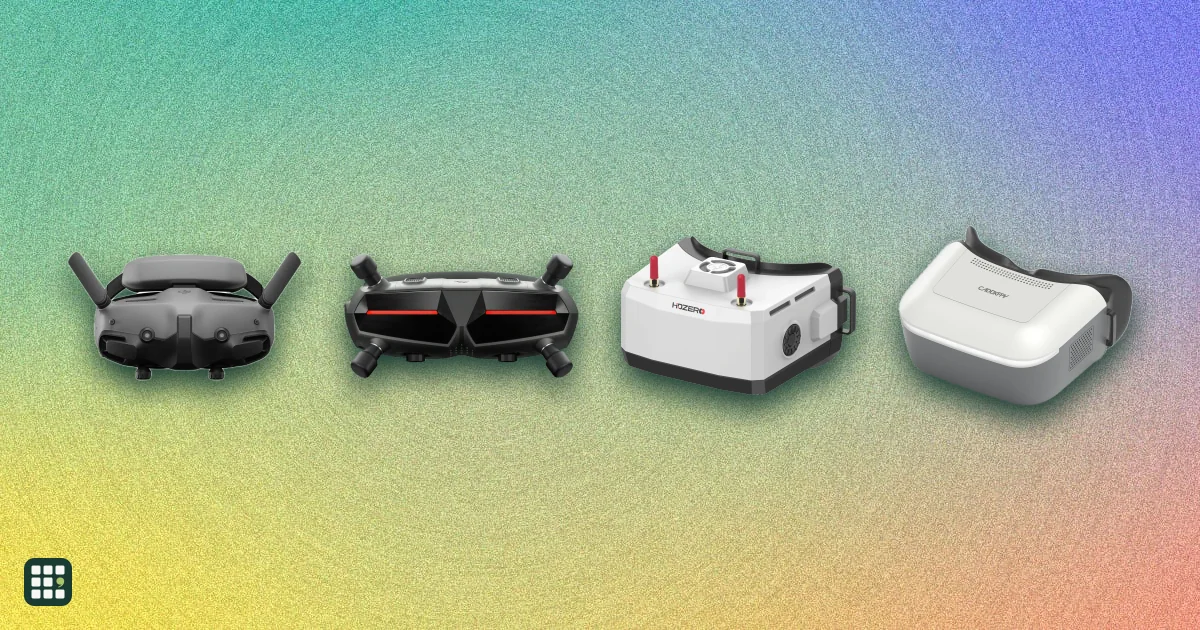
Digital FPV replaced the fuzzy analog picture with HD video, but each system is its own ecosystem: goggles and air units from one brand do not work with another's. This grid compares the main systems as a pilot buys them, goggles plus air unit, from the cheap analog baseline up to DJI's flagship, so you can weigh price, latency, picture quality, weight, range and openness before committing.
Last updated
How to choose
Start with what you will fly. Racing and tight freestyle reward the lowest latency; cinematic and long-range flying reward picture quality and range; tiny whoops need a light air unit that runs from 1S.
Pick the ecosystem first
Goggles are the long-term purchase, and each digital system only works with its own air units. DJI gives the best picture and recording but is closed and cannot use another brand's goggles. Walksnail Avatar and HDZero sell receivers that feed other goggles, and HDZero's goggles also take analog. Analog is the cheapest, lightest and nearly lag-free, but standard definition.
Compare the features that change flying
- Latency and frame rate: lower latency and higher frames feel more connected. Makers measure latency differently, so treat the numbers as a guide.
- Air unit weight and voltage: a whoop needs a light 1S-capable unit; larger quads can carry a heavier one with a better camera.
- Recording: onboard recording is clean; goggle recording copies the downlinked picture.
- Goggles: check the battery, display type, field of view and weight, especially if you wear glasses.
Count the full cost
Entry cost is goggles plus one air unit. Add a flight battery, goggle battery if needed, antennas and a radio. Each extra drone needs another air unit.
Check US availability and rules
In December 2025 the FCC added foreign-made drones and critical components, including data transmission devices, to its Covered List. New models cannot get US approval, while models already authorized can still be sold, so stock of some systems may thin out. Confirm stock before you buy, and follow FAA rules for registration and Remote ID where they apply. Read the coverage of the FCC decision.
Answer
Browse the table. Filter to what matters.
Use the filters below, then sign in if you want to shortlist and decide with friends.
Sign in to vote, hide products and features, and reorder.
Verified: hover a cell and click its green dot for the source Estimate: no cited source Not stated: the maker doesn't publish it
| Feature | ⠿ | ⠿ | ⠿ | ⠿ | ⠿ | ⠿ | ⠿ | ⠿ |
|---|---|---|---|---|---|---|---|---|
|
⠿
Entry cost
|
$988.99
|
$388.99
|
$618
|
$288.99
|
$188.99
|
$819.98
|
$479.98
|
$239.47
|
|
⠿
Goggles price
|
||||||||
|
⠿
Air unit price
|
$79.48
|
|||||||
|
⠿
Latency
|
2 ms, typical, goggle dependent
|
|||||||
|
⠿
Maximum live view resolution
|
||||||||
|
⠿
Live view frame rate
|
30 fps, interlaced, 60 fields
|
|||||||
|
⠿
Video bitrate
|
Doesn't apply
|
Doesn't apply
|
Doesn't apply
|
|||||
|
⠿
Maximum range
|
||||||||
|
⠿
Maximum transmit power
|
||||||||
|
⠿
Air unit weight
|
27.1 g
|
7.6 g
|
7.6 g
|
10.7 g
|
||||
|
⠿
Air unit onboard recording
|
None (record on goggles)
|
None (record on goggles)
|
None (record on goggles)
|
|||||
|
⠿
Air unit input voltage
|
||||||||
|
⠿
Goggles DVR
|
||||||||
|
⠿
Goggles battery included
|
||||||||
|
⠿
Goggles weight
|
||||||||
|
⠿
Goggles field of view
|
||||||||
|
⠿
Goggles display type
|
LCD
|
|||||||
|
⠿
Goggles display resolution
|
||||||||
|
⠿
Pilots flying at once
|
8 pilots, on race band channels
|
8 pilots, on race band channels
|
||||||
|
⠿
Receiver for other goggles
|
|
|||||||
|
⠿
Analog or HDMI input on goggles
|
|
|
||||||
|
⠿
Betaflight OSD
|
||||||||
|
⠿
Pairs with DJI drones
|
|
|
|
|
|
|
||
|
⠿
US availability
|
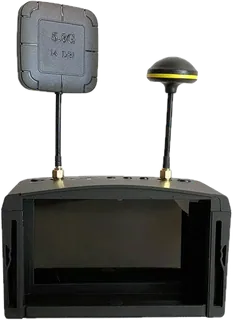
Why these features matter
-
Entry cost ($)
A digital system is a two-part purchase, and the goggles are usually the bigger part. This is the cheapest complete way to see video from your drone.
-
Goggles price ($)
Goggles outlast several drones, so this is the part you are most likely to keep for years.
-
Air unit price ($)
You need one per drone, so this price multiplies if you build several quads.
-
Latency (ms)
Low latency makes the drone feel connected in racing and tight freestyle; for cruising and cinematic flying it matters less.
-
Maximum live view resolution
Sharper video helps you see wires and branches, and spot a landing from far away.
-
Live view frame rate (fps)
Higher frame rates look smoother and cut perceived lag in fast flying.
-
Video bitrate (Mbps)
A higher bitrate keeps detail in busy scenes such as trees and fast motion.
-
Maximum range (km)
Real range depends on antennas, interference and trees, but this shows which systems are built for distance.
-
Maximum transmit power
More power gives more reliable links at range, but also heats the air unit and uses battery.
-
Air unit weight (g)
On a tiny whoop or a 250 g camera drone, every gram changes flight time and handling.
-
Air unit onboard recording
Onboard recording is clean (no signal dropouts) and sharper than a goggle DVR, which records the downlinked picture.
-
Air unit input voltage
It decides whether the unit fits a 1S whoop or needs a 2S to 6S battery.
-
Goggles DVR
A goggle DVR lets you review flights or share footage without an extra camera.
-
Goggles battery included
A goggle battery adds roughly $23 to $40 and another thing to charge.
-
Goggles weight (g)
Heavier goggles tire your neck over a long session.
-
Goggles field of view (°)
A wider view feels more immersive; a narrower one shows a sharper picture and suits glasses wearers.
-
Goggles display type
OLED has deeper blacks and faster response; LCD is cheaper and brighter in sunlight.
-
Goggles display resolution
Higher panel resolution shows a sharper picture, but only if the video link is also high resolution.
-
Pilots flying at once (pilots)
Flying with friends needs separate channels that do not interfere.
-
Receiver for other goggles
Without one, you must buy this brand's goggles forever; with one, you can reuse goggles you already own.
-
Analog or HDMI input on goggles
A goggle with an AV or HDMI input can also fly a cheap analog drone or show a simulator.
-
Betaflight OSD
OSD shows battery voltage, flight mode and timers without leaving the goggles.
-
Pairs with DJI drones
If you might own a DJI drone as well, one set of goggles covers both.
-
US availability
Hardware availability changes often, and new FCC limits on foreign-made drone equipment mean stock may thin out.
About the products
-
O4 Air Unit Pro + Goggles 3 · DJI
DJI's top digital FPV pairing: a 1/1.3-inch camera that records 4K at up to 120 fps, the lowest claimed latency here (15 ms), and micro-OLED goggles with a built-in battery. Best for freestyle and cinematic pilots who want the cleanest picture and are happy to stay inside DJI's closed ecosystem. DJI is on the FCC Covered List (Dec 2025), so new DJI models cannot get US approval; this existing hardware is still sold by US retailers.
-
O4 Air Unit + Goggles N3 · DJI
The lowest-priced way into DJI digital: a light 8.2 g O4 air unit that suits whoops and 2-inch builds, with the plug-and-play Goggles N3 (built-in battery, no goggle adjustment needed). Goggles N3 are capped at a 60 Hz screen, so latency is higher than on Goggles 3, and they also fly DJI's Avata 2 and Neo. Subject to the same FCC Covered List limits on new models as other DJI gear.
-
Avatar HD Pro Kit + Goggles X · CaddxFPV
Walksnail's flagship pairing: OLED goggles with HDMI and AV inputs, a Sony Starvis II camera that sees well at night, and onboard 1080p recording. It costs far less than DJI's top kit and works with open receivers, but it is heavier and slower than DJI's best. Goggles need an external battery.
-
Avatar Mini 1S Lite Kit + Goggles L · CaddxFPV
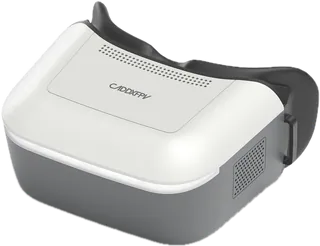
The budget Avatar route: Goggles L is a single-screen LCD goggle with head tracking, and the 7.8 g Mini 1S Lite kit runs from 1S, so it fits tiny whoops. You give up the OLED picture, HDMI input and some range compared with Goggles X.
-
Ascent Lite+ Kit + Ascent Goggles · CaddxFPV
The cheapest digital FPV on this grid, at under $200 for goggles and air unit. Ascent is a separate Walksnail system: its air units only work with Ascent Goggles (or an Ascent receiver) and not with Avatar goggles. It is capped at 1080p60 with higher latency than the other digital systems, but it makes a low-risk first step from analog.
-
Goggle 2 + Whoop V2 Bundle · HDZero
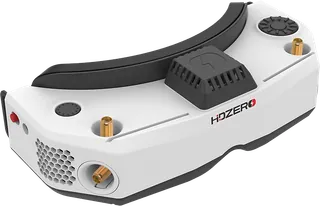
HDZero's flagship: 1080p 90 Hz OLED goggles that also take analog and HDMI, open-source firmware, and the lowest claimed latency here. The video is lower resolution than DJI or Walksnail (1080p only at 30 fps). The maker's global shop no longer ships to the US and the Goggle 2 is hard to find in US stores, so check stock before planning around it.
-
BoxPro + Whoop V2 Bundle · HDZero
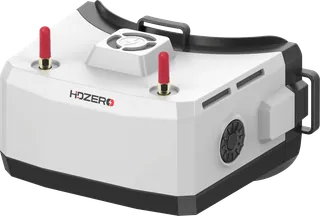
The HDZero route most US buyers can actually order: box-style LCD goggles with a built-in analog receiver, HDMI in and out, DVR and head tracker support, paired with the small Whoop V2 air unit. It gives HDZero's low latency and open ecosystem at less than half the Goggle 2 price. The goggles are bulkier and take an external battery.
-
Analog 5.8 GHz (EV800D + Unify Pro32 HV)
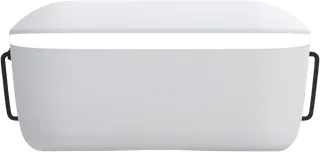
The analog baseline: Eachine EV800D diversity goggles with a built-in battery, a TBS Unify Pro32 HV transmitter and a Caddx Ant camera. It is cheap, nearly lag-free, light, and accepted by every other analog goggle and VTX, but the picture is standard definition and gets noisy at range. Good for learning, whoops, and crash-heavy racing.
Suggest a change
Related comparisons
-
 Beginner FPV drone kits
A ready-to-fly FPV kit puts a drone, goggles and a radio in one box, so a first-time pilot can fly the same day. This grid compares beginner kits from BetaFPV, EMAX, GEPRC, HGLRC and DJI: analog whoops from about $120 to $360, an HDZero digital kit at $525, and three DJI digital combos at $599, $979 and $1,019. The real trade-offs are price against flight time, brushless power against forgiveness, open standards (ExpressLRS, Betaflight, analog goggles) against a polished closed system, and what the box leaves out, such as spare batteries, a charger or radio batteries.
-
 FPV radio transmitters
The transmitter is the one piece of FPV gear you keep through every drone you own. This grid compares the radios hobbyists actually buy, from the cheapest pocket radios to full-size touchscreen radios: link (ExpressLRS, Crossfire, Tracer), firmware (EdgeTX or fixed), size and weight, gimbals, screen, batteries, module bay and simulator support. The real trade-offs are size against comfort, open EdgeTX against simple fixed firmware, and how much range you need.
-
 3D-printable long-endurance quadcopters (18650 and 21700)
Printable quadcopter frames that run on single Li-ion cells fly far longer than the same size of drone on a LiPo, but the real decision is size, cell format and how many cells. This grid compares fourteen published designs and builds, from a 3 inch single 18650 to a 4S 21700 4 inch frame, with two non-printed benchmarks (a one-hour ArduPilot quad and a 34-minute single-cell quad), on flight time and how it was measured, weight, cells, print difficulty, GPS and phone-link support, and an estimated box footprint. It is honest about the gaps: almost no design documents a phone link, and most flight times are the designer's own claim.
-
FPV flight controller stacks
A flight controller stack pairs the brain of a quad (the flight controller) with a 4-in-1 ESC that drives its four motors. This grid compares current stacks for 3 to 7 inch FPV builds on processor, ESC current, battery voltage, mounting size and wireless setup, so you can match a stack to your frame, motors and battery.
-
 Sub-250g camera drones
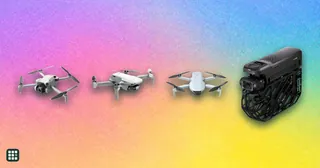
Camera drones under 250 grams are the easiest way for a hobbyist to start flying. In the US, a drone under 250 g flown for fun needs no FAA registration, and most fold small enough for a jacket pocket. This grid compares 17 of them, from DJI Mini, Flip and Neo to Potensic ATOM, Holy Stone, HOVERAir self-flying cameras, the Antigravity A1 360 drone and the retired Autel EVO Nano+, on camera quality, flight time, obstacle sensing, range, how you control them and, since the FCC's December 2025 Covered List change, whether you can still buy them new in the US. The trade-off is simple: the lightest drones fly shorter and handle wind worse, and the best cameras are the hardest to buy.
-
 18650 and 21700 cells for long-endurance drones
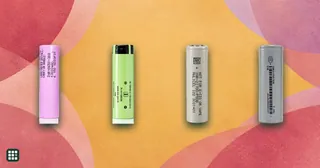
Individual 18650 and 21700 lithium-ion cells are the usual choice for a homebuilt, long-endurance quadcopter or fixed-wing pack: cheap, light and easy to hold in a 3D-printed frame. This grid compares twenty cells on what decides flight time (guaranteed capacity, energy per gram, weight) and on whether they can feed a hover (continuous current, internal resistance, cold limit). Figures come from the makers' own data sheets as quoted by the retailer or the maker, and we flag draft specs and cells you cannot actually buy.