



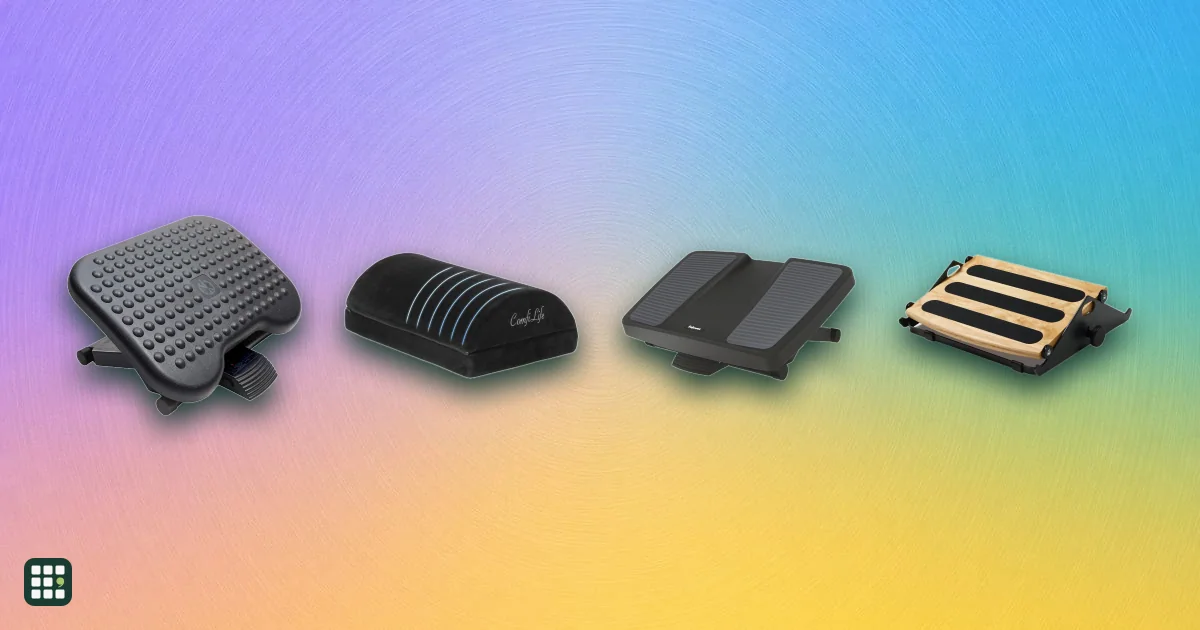
Under-desk footrests
An under-desk footrest supports your feet when they don't sit flat on the floor, so your thighs stay level and your lower back is less strained. Choices range from soft foam cushions to tilting platforms and free-rocking footrests that keep your legs moving. This grid compares height and angle adjustment, stability, surface and materials, cleaning, and price.
Last updated
How to choose
Do you need one?
Sit with your back against the chair and your forearms level with the desk. If your feet dangle, or your thighs press into the seat edge, a footrest helps. If your feet already rest flat with knees about level with your hips, you may only want one for comfort or movement.
Key questions
- Height: measure the gap between the floor and your heels when sitting correctly, and pick a footrest that adjusts across that range.
- Angle and movement: a tilting platform that locks suits people who like stillness; a free rocker keeps your ankles moving, which many find helps circulation over long days.
- Stability: look for a non-slip base and enough weight that it won't slide on hard floors.
- Size: a wider platform lets you shift positions; check that it fits under your desk or keyboard tray.
- Cleaning: foam cushions with removable washable covers are easiest to keep fresh; plastic and metal wipe clean.
- Extras: massage textures and heating are nice to have but add cost.
Pitfalls
- Foam cushions compress over time and may lose height.
- Adjust your chair height first: the footrest should complement a correctly set chair, not replace it.
- Persistent leg, back or circulation problems are worth discussing with a doctor or ergonomist.
Answer
Browse the table. Filter to what matters.
Use the filters below, then sign in if you want to shortlist and decide with friends.
Sign in to vote, hide products and features, and reorder.
Verified: hover a cell and click its green dot for the source Estimate: no cited source Not stated: the maker doesn't publish it
| Feature | ⠿ | ⠿ | ⠿ | ⠿ | ⠿ | ⠿ | ⠿ | ⠿ | ⠿ | ⠿ | ⠿ | ⠿ | ⠿ | ⠿ |
|---|---|---|---|---|---|---|---|---|---|---|---|---|---|---|
|
⠿
Price
|
$49.99
|
$38.99
|
$57.99
|
|||||||||||
|
⠿
Type
|
Tilting platform
|
|||||||||||||
|
⠿
Height adjustable
|
|
|
|
|
|
|
||||||||
|
⠿
Max height
|
4.4 in
|
5.1 in
|
||||||||||||
|
⠿
Tilt range
|
free rocking
|
free rocking
|
free rocking
|
free rocking
|
free rocking
|
none
|
none
|
|||||||
|
⠿
Tilt lock
|
Free-rocking
|
Locks at set angles (foot pedal)
|
Free-rocking (flip side)
|
Fixed angle
|
None
|
|||||||||
|
⠿
Platform size
|
16.75 x 12 in
|
15.7 x 13.7 in
|
||||||||||||
|
⠿
Surface
|
Textured massage surface
|
Soft foam with fabric cover
|
Soft foam with fabric cover
|
|||||||||||
|
⠿
Material
|
Plastic
|
Plastic
|
Plastic
|
Recycled plastic (89% post-consumer)
|
Plastic
|
Plastic with rubber top
|
||||||||
|
⠿
Grip base
|
|
|
||||||||||||
|
⠿
Washable cover
|
Wipe clean
|
Wipe clean
|
Wipe clean
|
Wipe clean
|
Wipe clean
|
Wipe clean
|
Wipe clean
|
Wipe clean
|
||||||
|
⠿
Heated
|
|
|
|
|
|
|
|
|
|
|
|
|
|
|
|
⠿
Product weight
|
||||||||||||||
|
⠿
Assembly required
|
|
|
|
|
|
|
|
|
|
|
||||
|
⠿
Warranty
|
5 years
|
Why these features matter
-
Price ($)
Footrests run from about $20 foam wedges to $150+ engineered rockers. A basic adjustable platform solves most problems; pricier models add better materials, finer adjustment and longer warranties.
-
Type
Rockers keep feet moving for circulation; tilting platforms hold a set angle; foam cushions are soft and quiet but compress over time; hammocks need a desk to hang from.
-
Height adjustable
Adjustable height lets short users bring their feet up to keep thighs level, the main reason to use a footrest.
-
Max height (in)
Shorter people and those with tall desks or chairs need more height; most footrests top out between 4 and 7 inches.
-
Tilt range (°)
More tilt range lets you find a comfortable ankle angle; free rocking adds movement that helps circulation.
-
Tilt lock
Locking holds a fixed position for people who want stillness; free rocking lets you fidget and move, which some find more comfortable over a long day.
-
Platform size
A wider platform lets you shift your feet and change positions; a compact one fits under small desks and keyboard trays.
-
Surface
Massage textures can feel good with shoes off; smooth or covered surfaces are easier on bare feet and simpler to wipe down.
-
Material
Steel and aluminum feel solid and last; plastic is light and cheap; foam is soft but can flatten over time.
-
Grip base
A non-slip base keeps the footrest from sliding away on hard floors and carpet.
-
Washable cover
Feet get sweaty; a removable machine-washable cover or a wipeable surface keeps the footrest hygienic.
-
Heated
Heated footrests help people with cold feet in cool offices, but need a power outlet and cost more.
-
Product weight (lb)
Heavier footrests stay put; lighter ones are easier to move between desks or take home.
-
Assembly required
Most footrests need little or no assembly; it matters if you want to use it straight out of the box.
-
Warranty (years)
A longer warranty signals durability, especially for mechanical tilting parts.
About the products
-
Humanscale FR100 · Humanscale
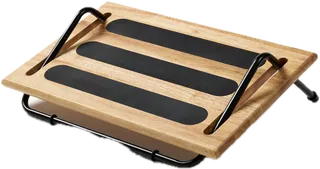
A simple solid-wood foot rocker with a textured non-slip top that keeps your feet gently moving. Fixed height; premium price for a 15-year warranty.
-
Humanscale FR300 · Humanscale
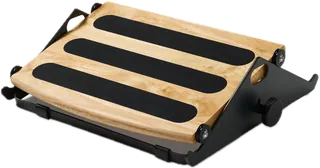
A solid-wood foot rocker with ball-bearing rollers and 3 inches of height adjustment, for people who want movement and a raised platform. 15-year warranty.
-
Humanscale FR500 · Humanscale
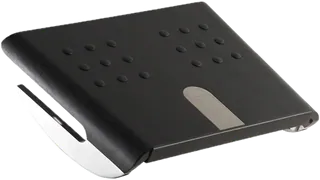
A sculpted molded-plywood and die-cast aluminum rocker with a built-in grip, designed for natural rocking. Fixed height; 15-year warranty.
-
Breyta Foot Rest · Fellowes
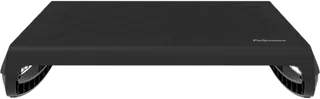
A modern portable footrest with a large platform, three height settings, an optional rocking mode and legs that clip underneath for storage.
-
Fellowes Ultimate Foot Support · Fellowes
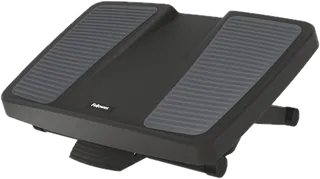
A free-floating rocking platform with three heights up to 6.5 in, up to 25° of tilt and massage bumps on the surface.
-
Office Suites Adjustable Footrest · Fellowes
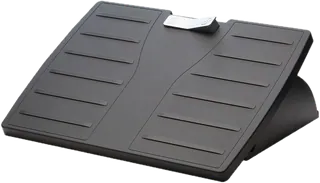
A tilting footrest that locks in place or tilts freely through 30°, with three heights up to 5⅝ in. A Microban antimicrobial version is also sold.
-
Fellowes Standard Foot Rest · Fellowes
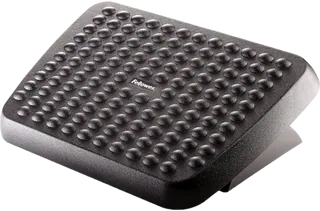
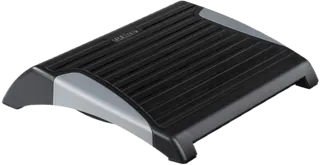
A basic free-floating footrest with two heights and a textured massage surface, made mostly of recycled plastic.
-
SoleMate Plus · Kensington · Discontinued Nov 2026
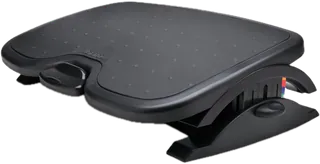
A tilting footrest with a foot pedal to change the angle up to 30° and heights from 3.5 to 5 in. Kensington now marks it discontinued.
-
Everlasting Comfort Foot Rest · Everlasting Comfort
A memory foam foot rest pillow that can be used flat or rocked, with a non-slip base and a removable, machine-washable cover. Low price and lifetime warranty.
-
ComfiLife Foot Rest · ComfiLife
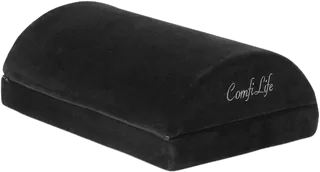
A memory foam foot rest with a detachable 2-inch bottom layer for two heights, a removable washable cover, and a rocker or flat side.
-
HUANUO Textured Surface Footrest · HUANUO
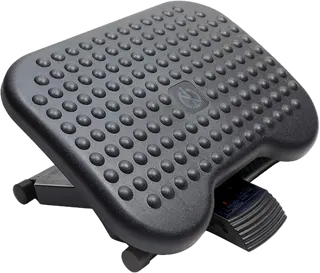
A low-cost rocking plastic footrest with three heights up to 6.5 in, 0–30° tilt, roller massage texture and non-slip feet; arrives assembled.
-
VIVO Adjustable Foot Rest · VIVO
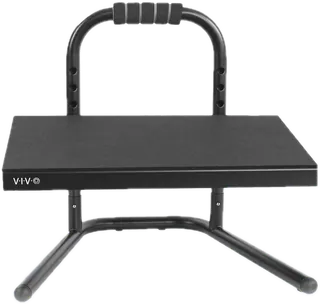
A steel-frame elevated footrest with a handle; the platform adjusts from 5 to 10¼ in high. Suits tall drafting chairs and propping a foot at a standing desk more than a low desk. Textured surface; minimal assembly.
-
UPLIFT Adjustable Footrest E3 · UPLIFT Desk
A tilt-only footrest with flip-open legs for four set angles (6–25°) and a rubber grooved top that grips shoes. 15-year warranty.
-
Herman Miller Foot Pillow · Herman Miller
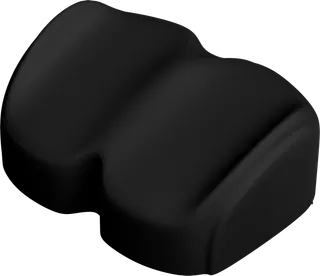
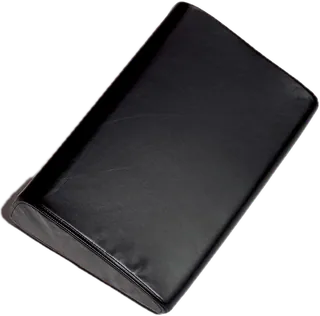
A fixed-height upholstered foam foot pillow (5¼ in) designed to support a neutral spine. Very expensive for a cushion, with a 12-year warranty.
Suggest a change
Related comparisons
-
 Anti-fatigue mats
 cushion the floor where you stand at a standing desk, kitchen counter or workbench, so long stretches on your feet are easier on your legs, feet and back. This grid compares flat foam and gel mats, contoured mats that keep you moving, and hybrid mats a rolling office chair can use too, by cushioning, size, edges, chair compatibility, warranty and price.
-
 Desk lamps
A good desk lamp puts enough light on your work without glare in your eyes or on your screen. Options range from classic spring-balanced arm lamps to LED lamps with adjustable color temperature and automatic brightness, and monitor light bars that take no desk space. This grid compares brightness, color temperature, glare control, adjustability, mounting and price.
-
 Monitor arms
Compare single, dual, and heavy-duty monitor arms by the weight and screen size they hold, how far they reach and lift, how they attach to a desk, and the warranty. The real trade-off is between cheap gas-spring arms that work well within a narrow weight band and premium arms with longer reach, wider weight ranges, and longer warranties.
-
 Conference speakerphones
A conference speakerphone puts a speaker and several microphones in one puck-shaped device, so you can take calls hands-free or let a small group join a meeting around a table. This grid compares personal and small-room models by microphone pickup, echo control, noise reduction, connectivity, battery, certifications and price.
-
 Label makers
 compared: Brother P-touch and DYMO handhelds with keyboards, Bluetooth app printers, industrial models for cables and job sites, budget thermal printers, and desktop and 4 x 6 shipping label printers. The choice comes down to how you want to design labels, how long they must survive, barcode and shipping needs, and the real cost of refills.
-
 Blue-light glasses
 filter part of the blue light from screens, either with a nearly clear coating or a yellow or amber tint. They range from $20 drugstore readers to $100+ designer frames and add-ons at online glasses stores. This grid compares specialist brands, online stores' blue-light lenses and blue-light readers by price with and without a prescription, how much they say they filter, lens tint, returns and insurance. Eye doctors' groups say screens' blue light doesn't damage eyes and there's little evidence these glasses prevent eye strain, so treat them as a comfort and sleep-habit choice, not a medical one.