



Home office
Keyboards, headsets, docks, power backups and more, compared for a home desk that is comfortable, quiet on calls and reliable.
A home office works or fails on small things: whether your back survives a full day, whether the person on the other end of a call can hear you, whether a power flicker costs you an hour of work. The grids here cover the gear that makes a desk at home a place you can actually work, from the screen and keyboard setup to the power and audio behind it.
Several questions cut across every one of them. How many hours a day will you use it? Gear you touch all day, like a keyboard or headset, repays comfort and fit; gear you rarely think about, like a power backup, repays reliability. Do you share the space or the computer? Many choices depend on whether you juggle a work laptop and a personal PC, take calls in a busy house, or work on a hard floor. And what will it plug into? Ports, connection types and compatibility with the computer you already own decide more than headline specs do.
Read each grid's features as a checklist of trade-offs, then decide which ones you would regret getting wrong. Warranty terms and replacement costs matter too, since desk gear tends to stay in service for years.
Where to start
- Typing all day and feeling it in your wrists? Ergonomic keyboards
- Standing at a desk or counter? Anti-fatigue mats
- Spending the day on video calls? Office headsets or Conference speakerphones
- One laptop, several monitors and a pile of cables? USB-C docking stations
- Sharing one desk between two computers? KVM switches
- Worried about outages losing your work? Uninterruptible power supplies
-
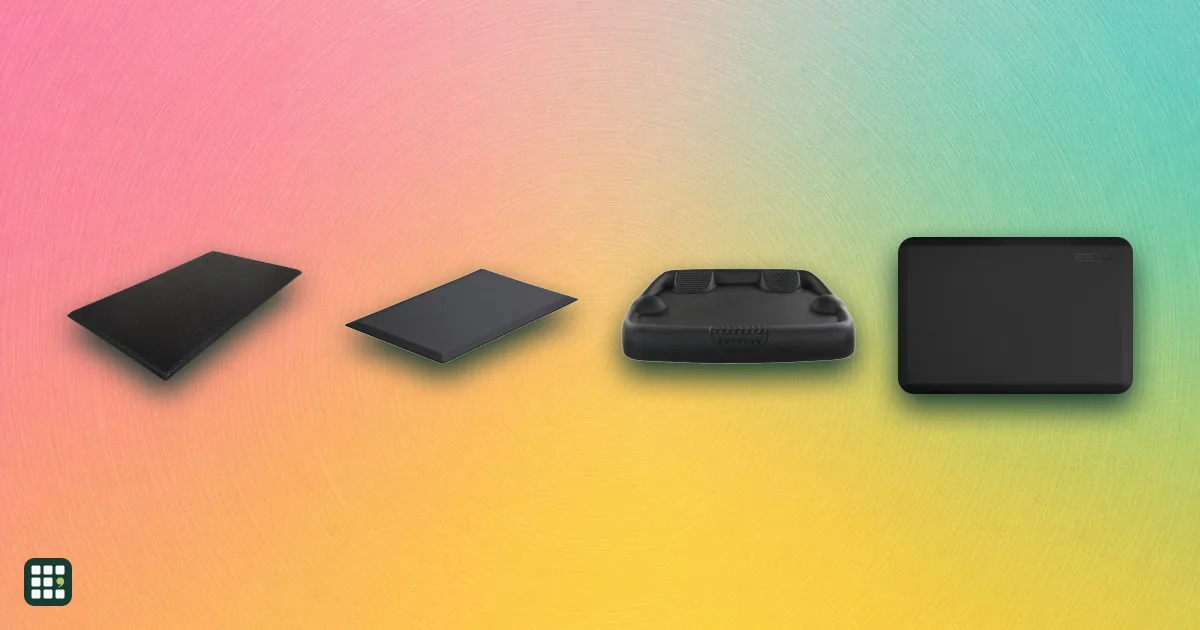 Anti-fatigue mats
15 products · Updated Nov 11, 2026
Anti-fatigue mats cushion the floor where you stand at a standing desk, kitchen counter or workbench, so long stretches on your feet are easier on your legs, feet and back. This grid compares flat foam and gel mats, contoured mats that keep you moving, and hybrid mats a rolling office chair can use too, by cushioning, size, edges, chair compatibility, warranty and price.
-
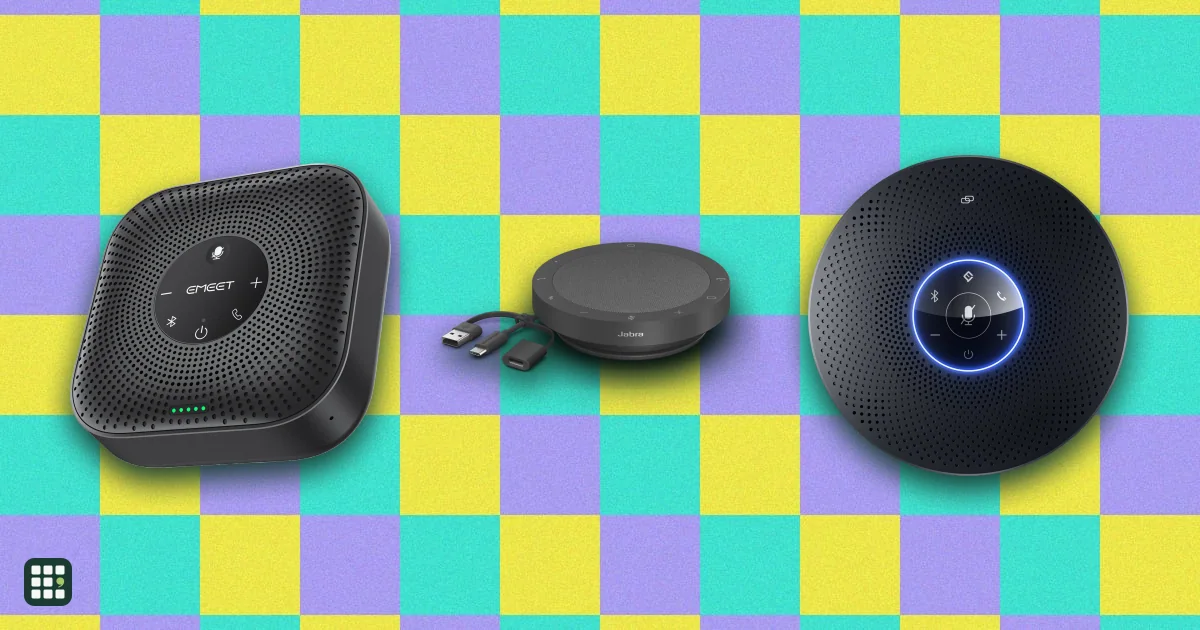 Conference speakerphones
13 products · Updated Nov 9, 2026
A conference speakerphone puts a speaker and several microphones in one puck-shaped device, so you can take calls hands-free or let a small group join a meeting around a table. This grid compares personal and small-room models by microphone pickup, echo control, noise reduction, connectivity, battery, certifications and price.
-
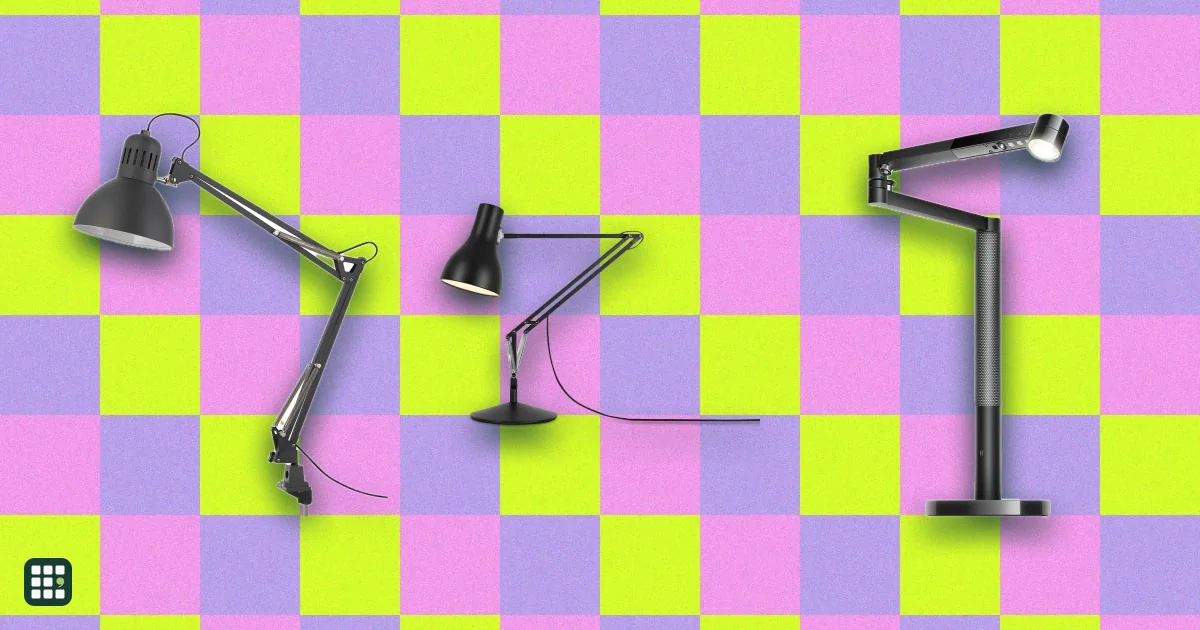 Desk lamps
9 products · Updated Nov 16, 2026
A good desk lamp puts enough light on your work without glare in your eyes or on your screen. Options range from classic spring-balanced arm lamps to LED lamps with adjustable color temperature and automatic brightness, and monitor light bars that take no desk space. This grid compares brightness, color temperature, glare control, adjustability, mounting and price.
-
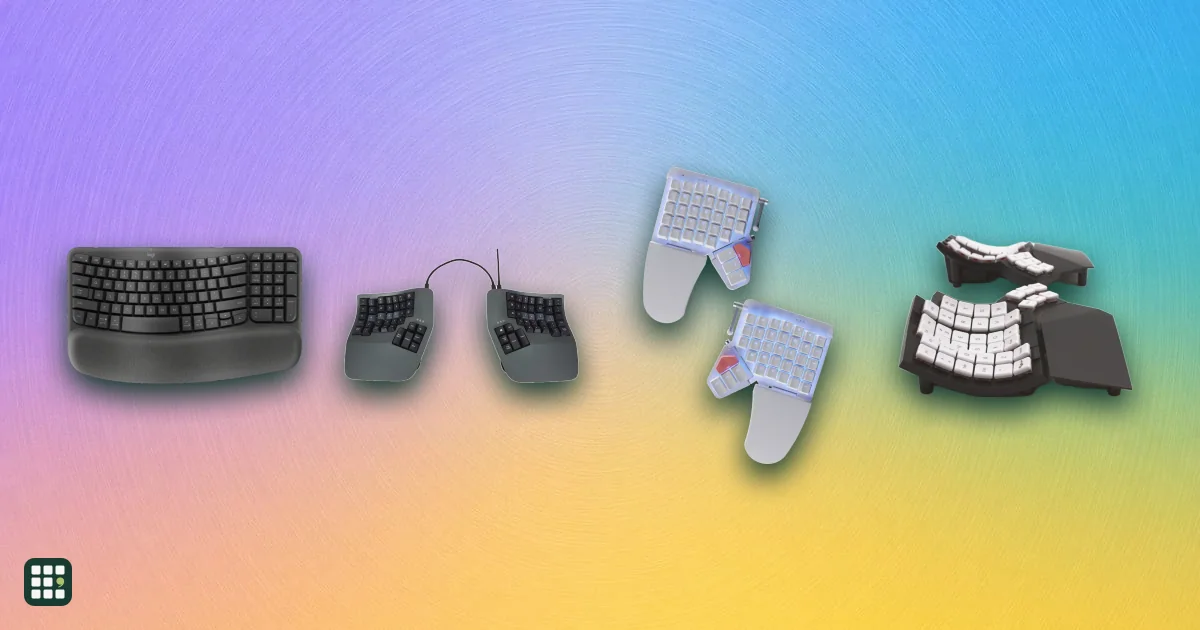 Ergonomic keyboards
19 products · Updated Nov 9, 2026
Ergonomic keyboards change the angle of your hands and wrists to reduce strain from long typing sessions. They range from gently curved one-piece boards that feel familiar on day one to fully split, tented, programmable keyboards that take weeks to learn. This grid compares layout, split and tenting adjustment, key switches, compatibility, and the learning curve, so you can match the amount of change to your needs and budget.
-
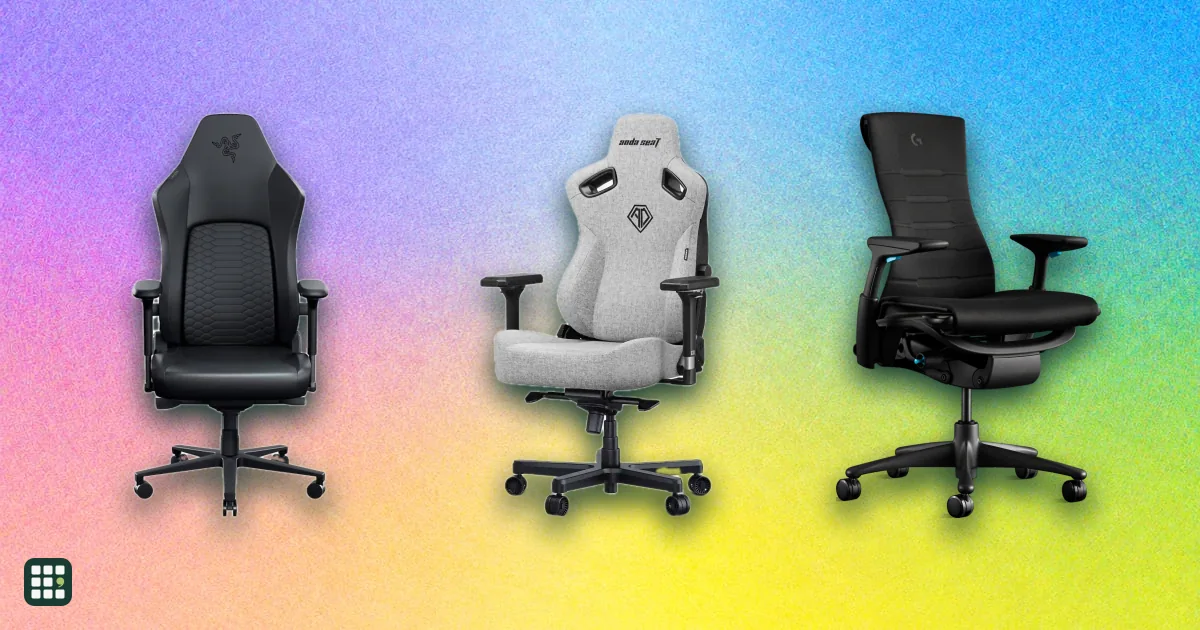 Gaming chairs
11 products · Updated Nov 15, 2026
Gaming chairs range from about $270 budget fabric seats to a $2,400 office-grade ergonomic chair. This grid compares weight and height limits, recline, armrests, lumbar support, materials, warranty and returns so you can match a chair to your body and your desk time.
-
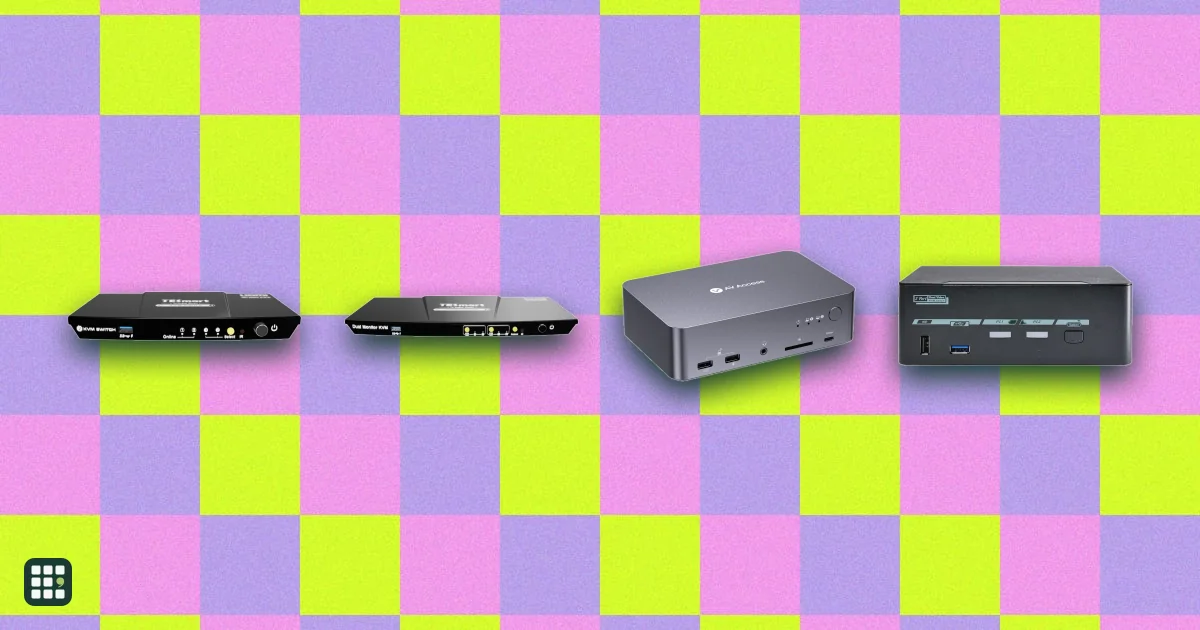 KVM switches
13 products · Updated Nov 9, 2026
Compare desktop KVM switches for sharing one desk between two computers, such as a work laptop and a personal PC. The real choices are how many monitors you need, which video connections your computers have (HDMI, DisplayPort or USB-C), refresh rate, EDID emulation so windows stay put, USB speed, and whether the switch can charge a laptop.
-
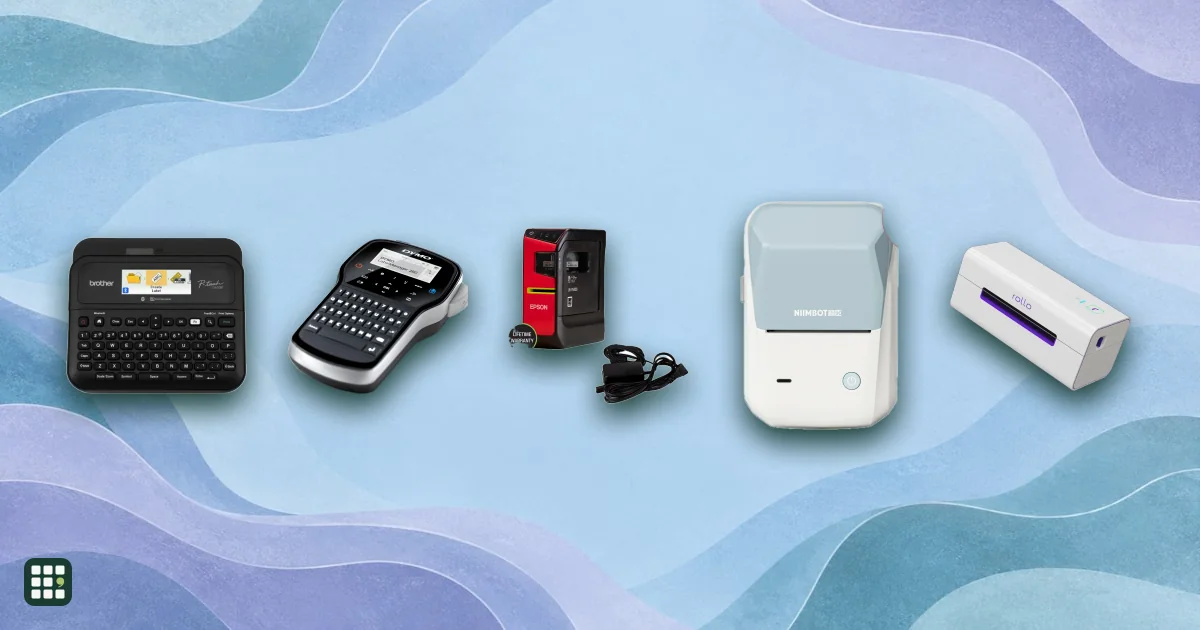 Label makers
18 products · Updated Nov 12, 2026
Label makers compared: Brother P-touch and DYMO handhelds with keyboards, Bluetooth app printers, industrial models for cables and job sites, budget thermal printers, and desktop and 4 x 6 shipping label printers. The choice comes down to how you want to design labels, how long they must survive, barcode and shipping needs, and the real cost of refills.
-
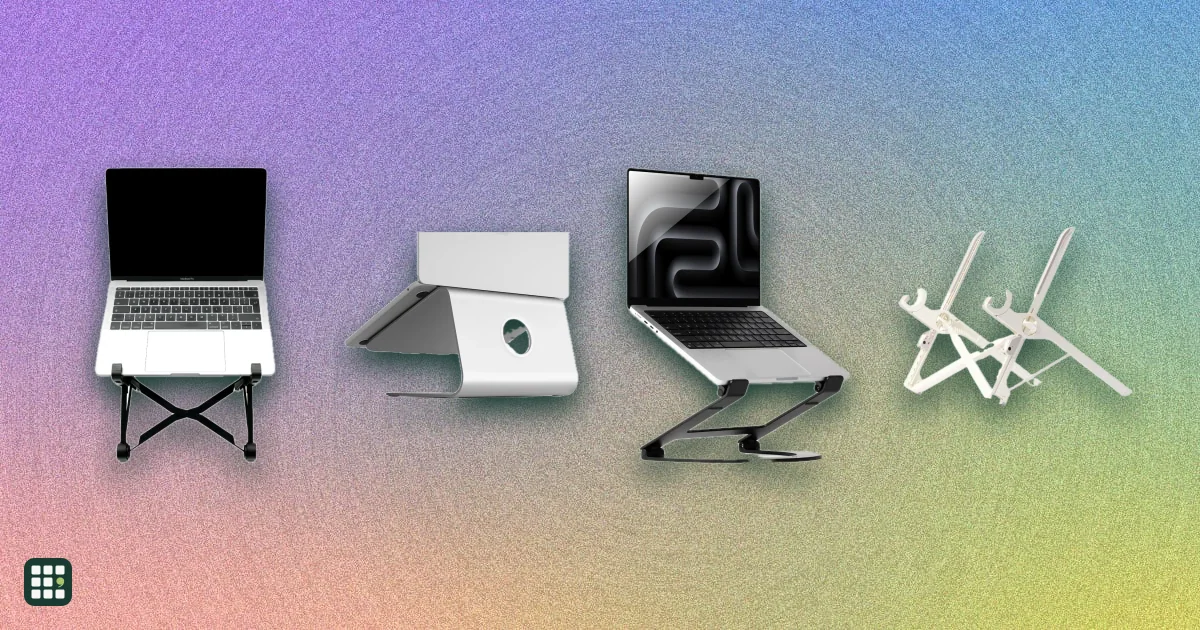 Laptop stands
15 products · Updated Nov 14, 2026
Compare fixed, adjustable, and folding laptop stands by how high they lift the screen, how they adjust, what they weigh and fold down to, what size laptop they hold, and the warranty. The trade-off is between solid desk stands that stay put and light folding stands you can carry, and between a fixed height and one you can tune.
-
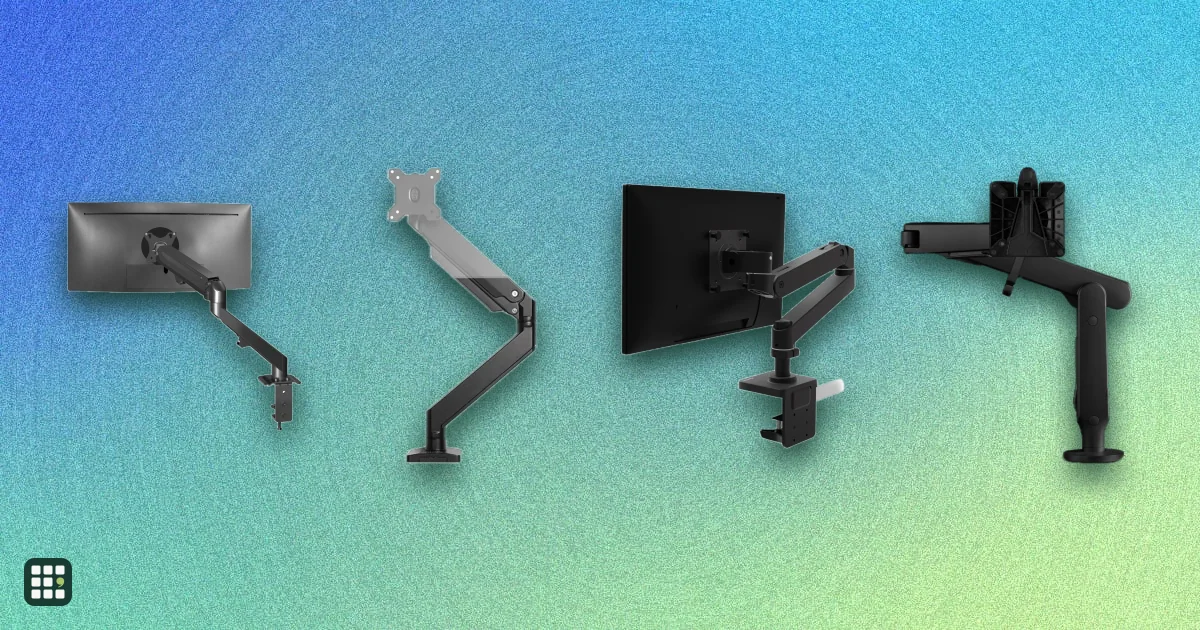 Monitor arms
15 products · Updated Nov 13, 2026
Compare single, dual, and heavy-duty monitor arms by the weight and screen size they hold, how far they reach and lift, how they attach to a desk, and the warranty. The real trade-off is between cheap gas-spring arms that work well within a narrow weight band and premium arms with longer reach, wider weight ranges, and longer warranties.
-
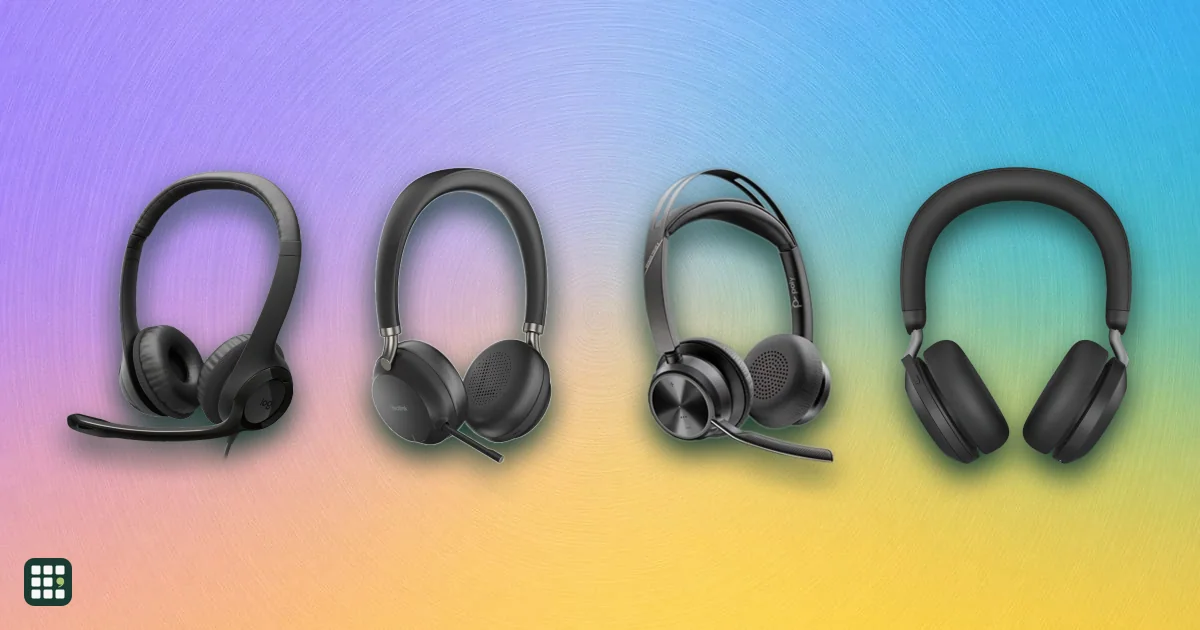 Office headsets
21 products · Updated Nov 9, 2026
Office headsets are built for clear calls: a microphone that picks up your voice and not the room, controls for muting, and comfort for hours of meetings. They range from $30 wired USB models to wireless headsets with noise cancellation, busy lights and long-range DECT bases. This grid compares mic design and noise reduction, connection, battery, mute controls, certifications and comfort.
-
 Streaming microphones
29 products · Updated Nov 16, 2026
Microphones for live streaming, gaming, podcasting and video, from plug-and-play USB mics to XLR studio dynamics. The choice comes down to how quiet your room is, whether you want to plug in by USB or grow into an audio interface, and which on-mic controls and software you need while live.
-
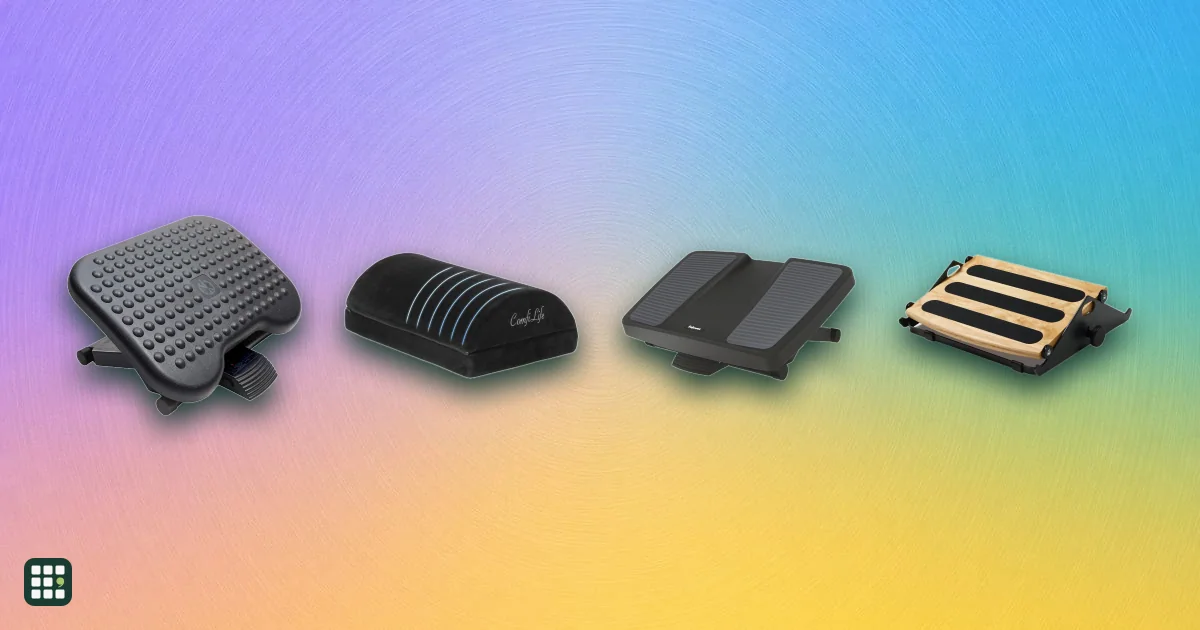 Under-desk footrests
14 products · Updated Nov 13, 2026
An under-desk footrest supports your feet when they don't sit flat on the floor, so your thighs stay level and your lower back is less strained. Choices range from soft foam cushions to tilting platforms and free-rocking footrests that keep your legs moving. This grid compares height and angle adjustment, stability, surface and materials, cleaning, and price.
-
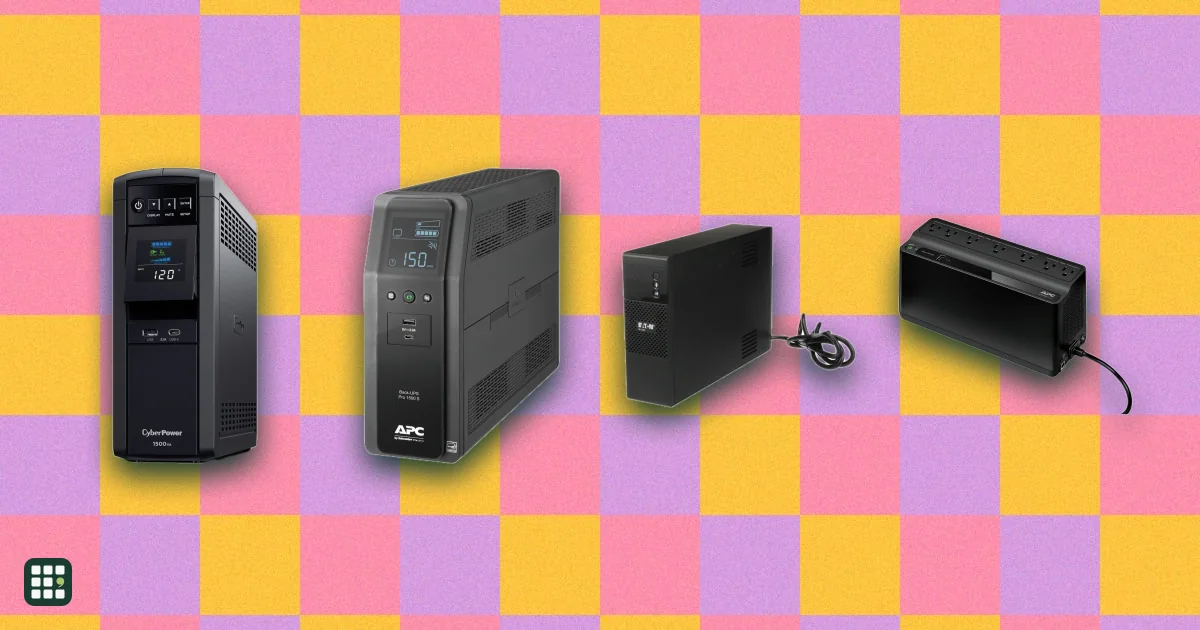 Uninterruptible power supplies
16 products · Updated Nov 9, 2026
Compare desktop and tower uninterruptible power supplies (UPS) from CyberPower, APC and Eaton for a home office, home network or small business. A UPS keeps your computer, monitor, router and modem running through short outages and gives you time to save work and shut down. The real trade-offs are output power, pure sine wave versus simulated output, runtime at your actual load, and how easily you can replace the battery when it wears out.
-
 USB-C docking stations
17 products · Updated Nov 9, 2026
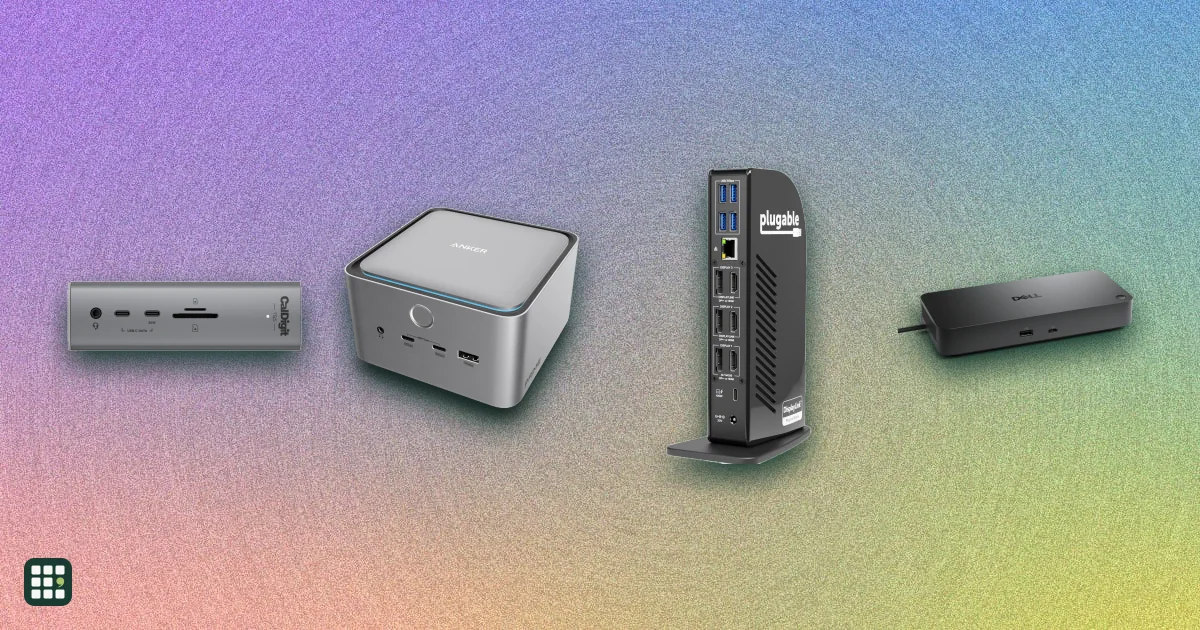
A USB-C dock turns one cable into monitors, charging, and the ports a laptop left off. The split that matters is Thunderbolt versus plain USB-C: Thunderbolt drives more screens and faster drives, and plain USB-C is cheaper when you only need one or two displays.
-
 Video-call lights
23 products · Updated Nov 16, 2026
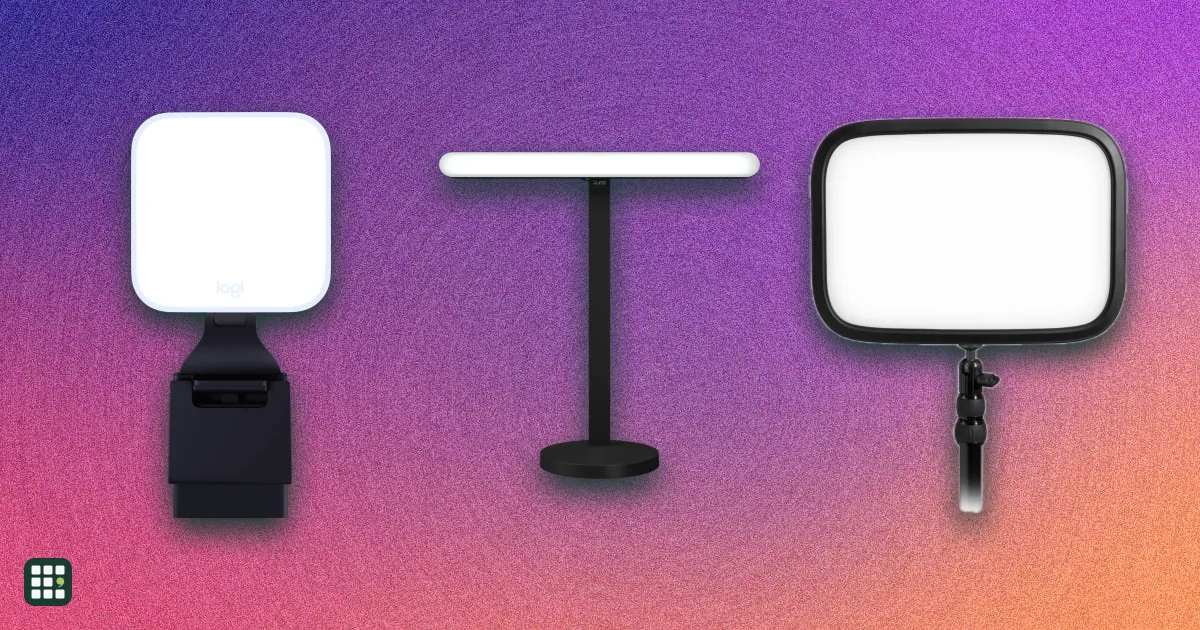
Compare lights for video calls and desk streaming, from compact laptop clips and monitor light bars to desk-clamp key lights and small ring lights. The grid focuses on the light quality, mounting, power, and controls that affect a real webcam setup.
-
 Water dispensers
28 products · Updated Nov 15, 2026
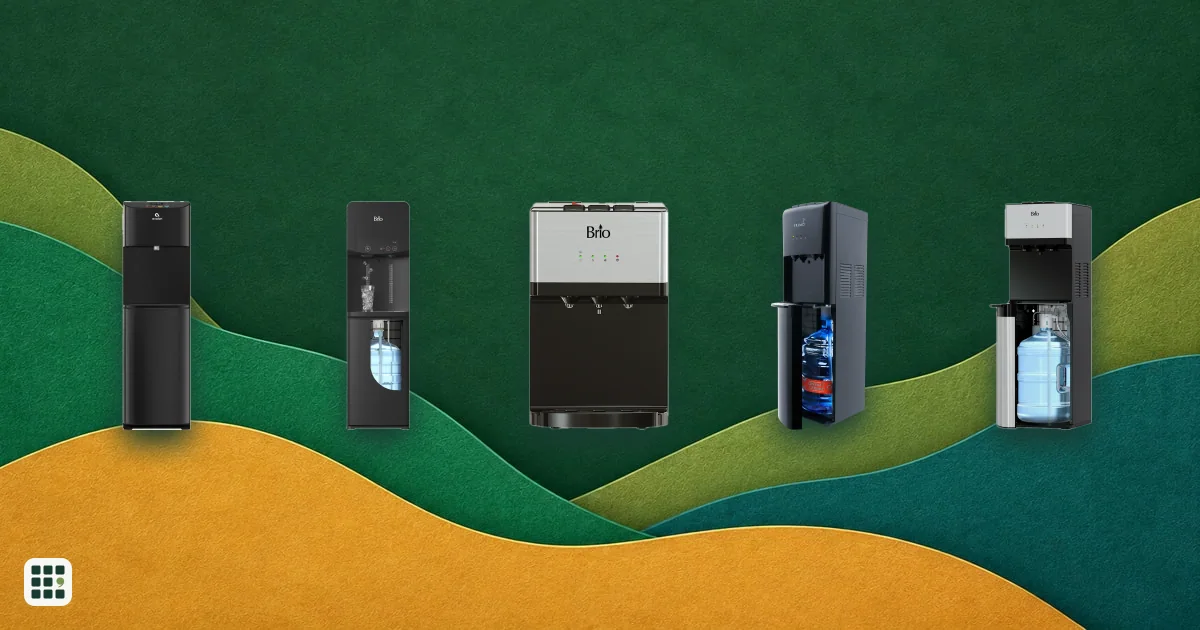
Compare electric water dispensers for a home, home office, or small workplace: bottle-fed top-load and bottom-load coolers, plumbed bottleless units, compact countertop models, and a cooler that also makes ice. The main trade-offs are bottle handling versus a water-line connection, hot and cold output, child-safe controls, automatic cleaning features, filter maintenance, and countertop or floor space.
-
 Webcams
54 products · Updated Nov 13, 2026
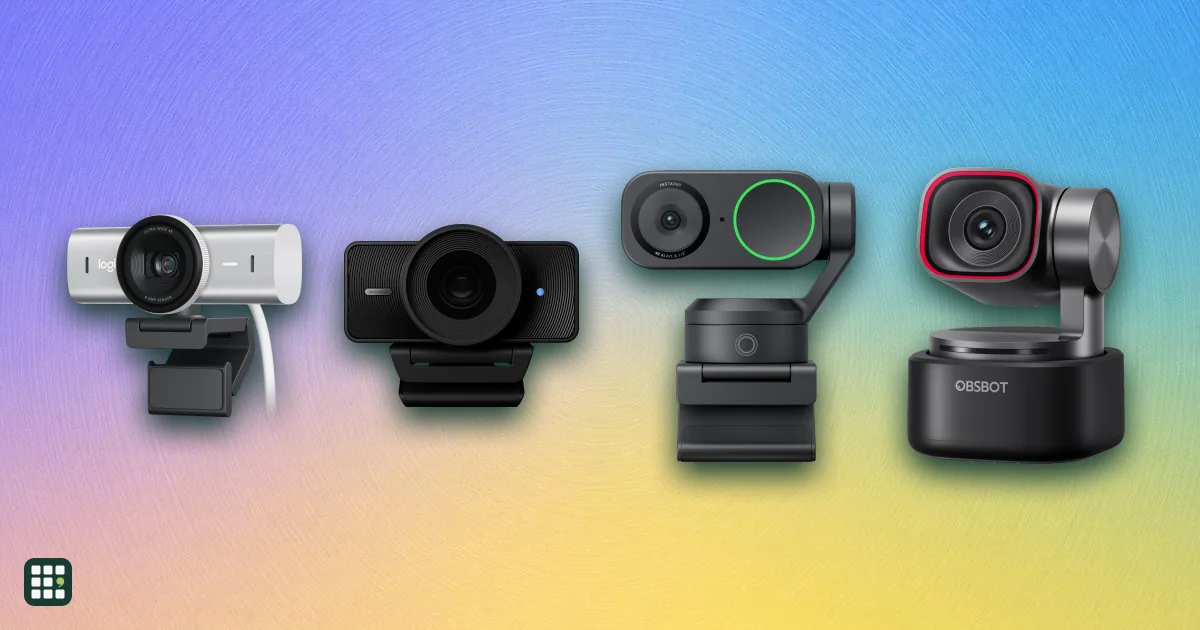
A webcam is the camera on your calls and streams. The choice is how sharp the picture stays in ordinary room light, whether it follows you, and whether the built-in microphones are enough.
-
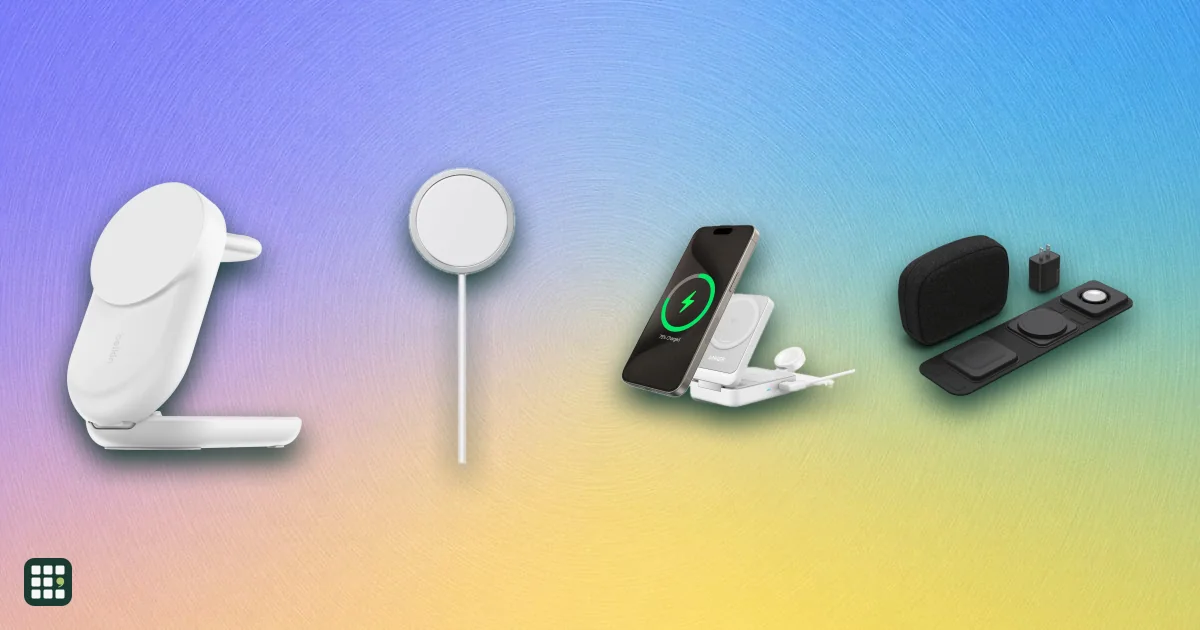 Wireless chargers
10 products · Updated Nov 16, 2026
Wireless chargers that top up a phone, and often a watch and earbuds, without a cable. The real decisions are charging speed (Qi2.2 25W versus 15W), how many devices you need to charge at once, whether it folds for travel, and whether the power adapter is in the box.