



Healthy cereals
Compare ready-to-eat cereals by labeled serving size, calories, protein, fiber, and sugar. Nutrition labels are not directly comparable when serving sizes differ, so check both the grams and the cup measure.
Last updated
How to choose
Compare serving sizes first: cereal labels use different gram weights and cup measures. Then weigh sugar against protein and fiber, and check ingredients and dietary claims against your needs. The word “healthy” is broad, so use the nutrition facts and ingredient list rather than a single front-of-box claim.
Answer
Browse the table. Filter to what matters.
Use the filters below, then sign in if you want to shortlist and decide with friends.
Sign in to vote, hide products and features, and reorder.
Verified: hover a cell and click its green dot for the source Estimate: no cited source Not stated: the maker doesn't publish it
| Feature | ⠿ | ⠿ | ⠿ | ⠿ | ⠿ | ⠿ | ⠿ | ⠿ | ⠿ | ⠿ | ⠿ | ⠿ | ⠿ | ⠿ | ⠿ |
|---|---|---|---|---|---|---|---|---|---|---|---|---|---|---|---|
|
⠿
Serving size
|
1 cup (40g)
|
1 cup (38 g)
|
|||||||||||||
|
⠿
Calories
|
160 kcal per labeled serving
|
150 kcal per labeled serving
|
|||||||||||||
|
⠿
Protein
|
5 g per labeled serving
|
||||||||||||||
|
⠿
Dietary fiber
|
7 g per labeled serving
|
1 g per labeled serving
|
|||||||||||||
|
⠿
Total sugars
|
5 g per labeled serving
|
||||||||||||||
|
⠿
Added sugars
|
5 g per labeled serving
|
0 g per labeled serving
|
|||||||||||||
|
⠿
Sodium
|
170 mg per labeled serving
|
160 mg per labeled serving
|
|||||||||||||
|
⠿
Saturated fat
|
0 g per labeled serving
|
1 g per labeled serving
|
|||||||||||||
|
⠿
Organic
|
|
|
|
|
|
|
|
|
|
|
|
|
|
|
|
|
⠿
Whole grain
|
|||||||||||||||
|
⠿
Allergens
|
None listed
|
Contains milk; facility also processes wheat, soy, tree nuts, and sesame
|
|||||||||||||
|
⠿
Protein per 100 g
|
17.9 g
|
14 g
|
14 g
|
10.3 g
|
7.5 g
|
12.5 g
|
11.8 g
|
11.1 g
|
34.2 g
|
8.3 g
|
|||||
|
⠿
Fiber per 100 g
|
17.9 g
|
10.5 g
|
12.3 g
|
12.1 g
|
15 g
|
17.5 g
|
13.7 g
|
19.4 g
|
2.6 g
|
11.1 g
|

Why these features matter
-
Serving size
Nutrition figures apply to the stated serving, and serving sizes differ across cereals.
-
Calories (kcal per labeled serving)
Useful context for comparing portions and energy.
-
Protein (g per labeled serving)
Shows how much protein the cereal contributes before milk or toppings.
-
Dietary fiber (g per labeled serving)
Fiber is a key nutrition difference across breakfast cereals.
-
Total sugars (g per labeled serving)
Total sugar is a common point of comparison; added sugar is separately listed where available.
-
Added sugars (g per labeled serving)
Added sugar is what health guidance tells people to limit; total sugars also include sugar naturally in grains or fruit.
-
Sodium (mg per labeled serving)
Cereal can be a hidden source of salt; it matters most for people watching blood pressure.
-
Saturated fat (g per labeled serving)
Most cereals are low in saturated fat; coconut oil or nut-based recipes raise it.
-
Organic
Organic buyers avoid synthetic pesticides and GMO ingredients; it matters less if you only care about nutrition numbers.
-
Whole grain
Whole grains keep the bran and germ, so they carry more fiber and nutrients. The first ingredient is the quickest check.
-
Allergens
Shows what to avoid for allergies and sensitivities. Recipes change, so check the package before buying.
-
Protein per 100 g (g)
Compares protein by weight, so cereals with different serving sizes are fair to compare. Milk and toppings add protein on top.
-
Fiber per 100 g (g)
Compares fiber by weight, so cereals with different serving sizes are fair to compare. Higher fiber fills you up for longer.
About the products
-
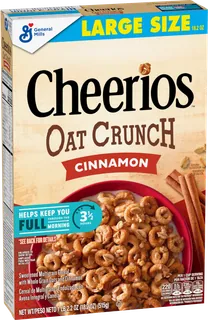
Cheerios Oat Crunch Cinnamon · General Mills
Sweetened multigrain cereal with whole grain oats and cinnamon.
-
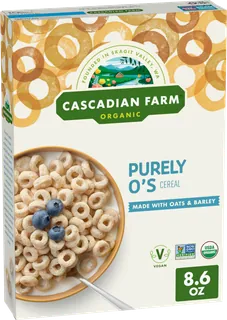
Cascadian Farm Organic Purely O’s · General Mills
Organic cereal made with oats and barley.
-
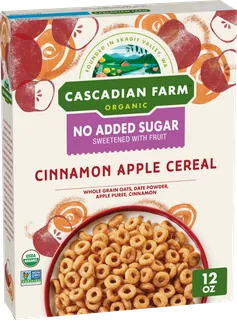
Cascadian Farm Organic No Added Sugar Cinnamon Apple · General Mills
Organic whole-grain cereal sweetened with dates; manufacturer states no added sugar.
-
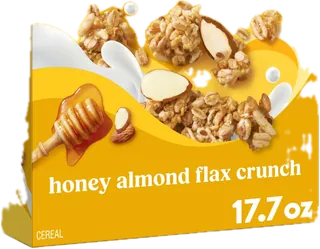
Kashi GO Protein & Fiber Honey Almond Flax Crunch · WK Kellogg Co.
Whole-grain cereal with honey, almonds, flax, and protein; current 17.7 oz package.
-
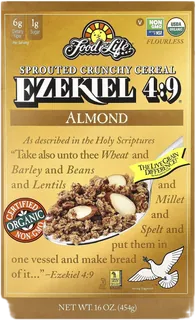
Ezekiel 4:9 Sprouted Whole Grain Crunchy Cereal · Food For Life
Crunchy cereal made with organic sprouted grains.
-
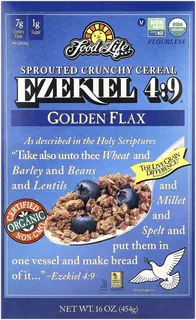
Ezekiel 4:9 Golden Flax Sprouted Whole Grain Crunchy Cereal · Food For Life
Sprouted grain cereal with organic golden flax seeds.
-
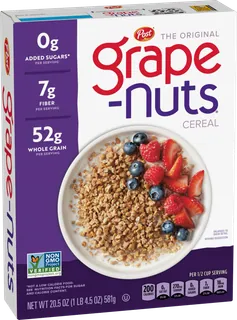
Grape-Nuts Original · Post Consumer Brands
Dense, crunchy wheat and barley nuggets with no added sugar; very high in fiber and whole grain, but also high in sodium.
-
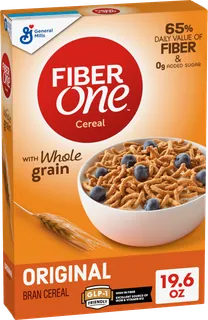
Fiber One Original Bran · General Mills
Plain bran cereal with 18 g of fiber and no added sugar in a low-calorie serving; sweetened with sucralose.
-
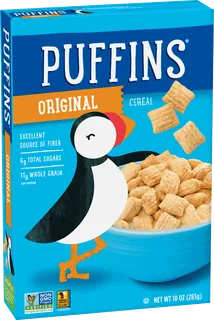
Puffins Original · Post Consumer Brands
Lightly sweetened whole-grain corn and oat puffs with 6 g added sugar and 6 g fiber per cup.
-
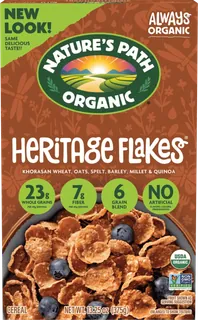
Organic Heritage Flakes · Nature's Path
Organic flakes made from six ancient grains, sweetened with honey and cane sugar.
-
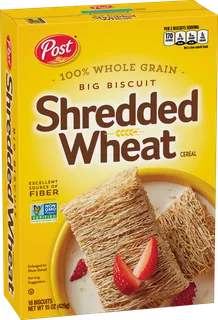
Shredded Wheat Original Big Biscuit · Post Consumer Brands
Whole-grain wheat biscuits with no added sugar, 7 g fiber and 6 g protein per two biscuits; contains BHT as a preservative.
-
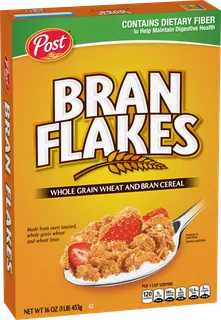
Bran Flakes · Post Consumer Brands
Whole-grain wheat and wheat bran flakes with 7 g fiber and 6 g added sugar per cup.
-
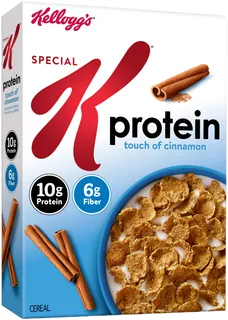
Special K Protein Cereal (17.5 oz) · WK Kellogg Co.
Whole grain wheat cereal with 10 g protein and 6 g fiber per 59 g serving.
-
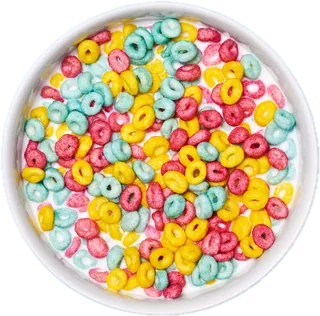
Magic Spoon Fruity Protein Cereal (4-box case) · Magic Spoon
Grain-free fruity cereal with 13 g protein and no total sugar per 38 g serving.
-
Wheaties Classic · General Mills
Whole grain wheat flakes with 4 g fiber and 3 g protein per 36 g serving.
Suggest a change
Related comparisons
-
 Plant-based meat
Compare US plant-based burger patties and ground beef alternatives (vegan and veggie burgers) by price per pound, serving size, protein, calories, saturated fat, sodium, fiber, cholesterol, how they are sold, and allergens. Meaty soy and pea burgers cost more and carry more fat; lighter veggie burgers cost less but have less protein.
-
 Sugar-free gum
 covers the big stick and bottle brands (Trident, Orbit, Extra, 5, Dentyne, Ice Breakers, Mentos) and a smaller group of xylitol-first brands (Spry, PUR, Simply Gum, Epic). They all skip sugar, but they differ in what replaces it, what else is in the gum, how much a piece costs, and whether the ADA Seal of Acceptance applies. This grid compares the practical differences for a US shopper: sweeteners, xylitol, price per piece, ingredients such as aspartame, dyes, BHT and gelatin, flavors, and pack size.
-
 Baby formulas
Popular US infant formulas compared by label: standard, sensitive, anti-reflux, soy, goat milk and hypoallergenic formulas from the big brands, organic and European-style makers, and store brands. Every formula sold in the US must meet the same FDA nutrient requirements, so the real differences are protein type, sugars, added extras like HMOs and probiotics, organic and palm-oil-free ingredients, and price. This is a label comparison, not medical advice.
-
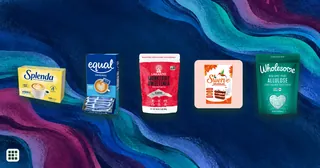 Sugar substitutes
 range from sucralose and aspartame packets to erythritol, monk fruit, stevia and allulose blends. This grid compares eight popular US brands on what they contain, how they measure against sugar, and what makers say about baking.
-
 DNA health tests
At-home genetic tests and DNA report services that look for inherited health risks, carrier status, medication response and wellness tendencies. They range from cheap reports on DNA data you already have, through consumer kits with a few FDA-authorized reports, to physician-ordered gene panels and whole-genome sequencing. The real trade-off is depth and clinical rigor against price, ongoing fees and privacy.
-
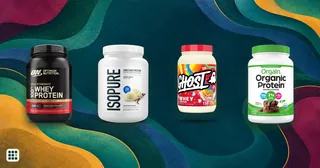 Protein powders
 differ in protein source, protein per scoop, sugar and sweeteners, third-party testing, and price per serving. This grid compares widely sold whey and plant-based powders from their official labels and stores, so you can find one that fits your diet, goals, and budget.