



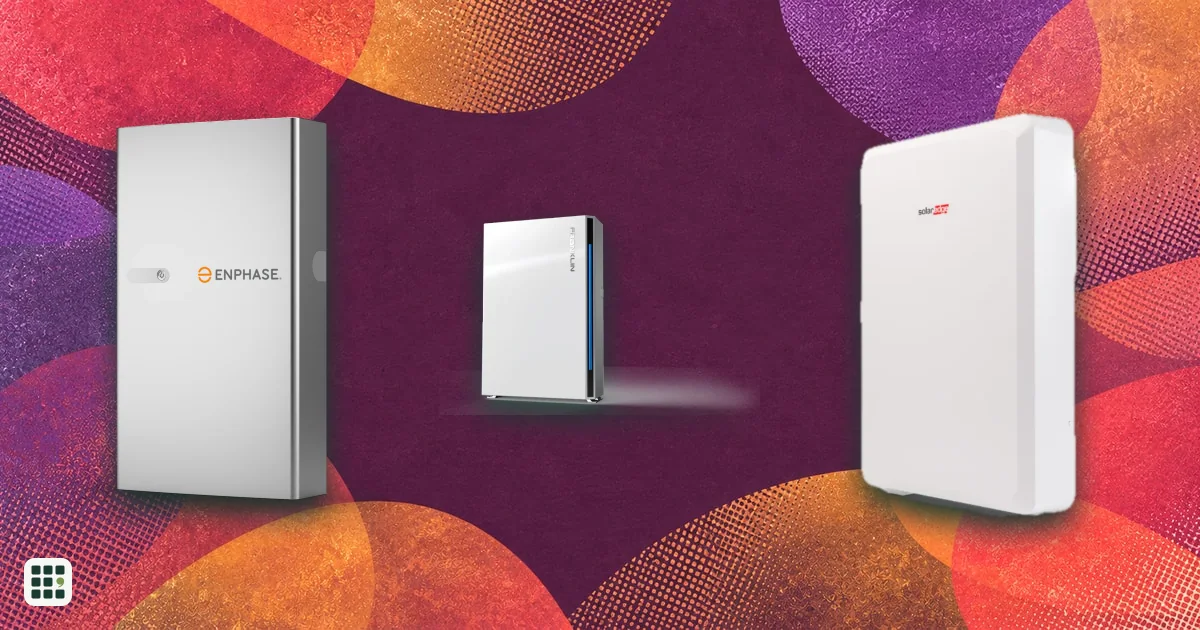
Home batteries
Compare home batteries by usable energy, continuous and peak output, efficiency, chemistry, solar compatibility, scalability, backup operation, warranty, and installation environment. Battery-only products need a compatible inverter and controls; complete system proposals also depend on home loads, solar equipment, local rules, and installer design.
Last updated
How to choose
Begin with the jobs the battery must do: shift solar energy into the evening, reduce peak-rate purchases, or keep selected circuits or the whole home running in an outage. Estimate the loads and hours you need. Usable energy (kWh) describes how long it can supply energy; continuous output (kW) and short surges describe how many appliances it can run together or start.
Check whether the battery is AC-coupled, DC-coupled, or a battery pack that needs a separate inverter. Confirm compatibility with your existing solar inverter, backup controller, service panel, generator, and any load-management equipment. Capacity and power expansion limits are system-specific, and expansion can require matching hardware.
Compare efficiency on the same AC or DC basis. Read the warranty for its term, minimum retained capacity, throughput or cycle limit, registration rules, installer requirements, and exclusions. Confirm indoor or outdoor placement, operating temperatures, clearances, and local code approval with a qualified installer.
Manufacturers generally do not offer a comparable standalone installed price. Ask installers to quote the same usable capacity, backup circuits, controls, solar equipment, labor coverage, and service scope; compare total installed cost and expected energy use rather than battery price alone.
Answer
Browse the table. Filter to what matters.
Use the filters below, then sign in if you want to shortlist and decide with friends.
Sign in to vote, hide products and features, and reorder.
Verified: hover a cell and click its green dot for the source Estimate: no cited source Not stated: the maker doesn't publish it
| Feature | ⠿ | ⠿ | ⠿ | ⠿ | ⠿ | ⠿ | ⠿ | ⠿ |
|---|---|---|---|---|---|---|---|---|
|
⠿
Price
|
||||||||
|
⠿
Usable Energy Capacity
|
||||||||
|
⠿
Continuous AC Output
|
||||||||
|
⠿
Peak Backup Output
|
||||||||
|
⠿
Round Trip Efficiency
|
Not stated in the manufacturer’s Powerflo 16 product page or datasheet.
|
|||||||
|
⠿
Battery Chemistry
|
||||||||
|
⠿
Solar and Inverter Compatibility
|
||||||||
|
⠿
Expandable System Capacity
|
||||||||
|
⠿
Backup Operation and Transition
|
Battery alone has no AC backup or transfer; compatible inverter and controls required. Transition time not stated.
|
|||||||
|
⠿
Warranty Terms
|
||||||||
|
⠿
Installation Environment
|
Why these features matter
-
Price ($)
Published equipment prices differ in what is bundled; compare installer quotes for comparable capacity and backup scope.
-
Usable Energy Capacity (kWh)
Usable energy indicates how long stored power can serve loads; larger capacity costs more and may not help if output or backup controls are limiting.
-
Continuous AC Output (kW)
Output limits how many appliances can run at once; it differs from stored energy and can be reduced by temperature or configuration.
-
Peak Backup Output
Short surges can start motors and compressors, but a brief peak does not replace continuous power for running them.
-
Round Trip Efficiency
Higher efficiency returns more stored energy to loads, but AC and DC figures use different boundaries and should not be compared as identical measures.
-
Battery Chemistry
Chemistry affects system design, energy density, thermal behavior, and installer requirements; the full safety design matters too.
-
Solar and Inverter Compatibility
Compatibility can determine whether the battery fits existing solar equipment or requires new inverters, gateways, and controls.
-
Expandable System Capacity (kWh)
Expansion can add backup duration later, but limits and required matching equipment vary by system.
-
Backup Operation and Transition
A battery may need a separate gateway or controller to isolate the home from the grid; seamless or fast transfer helps avoid interruptions.
-
Warranty Terms
The nominal term can be shortened by throughput limits, and installer or operating conditions can determine whether a claim is covered.
-
Installation Environment
Placement, temperature, and enclosure ratings affect where the battery can be installed and whether power may be derated in local weather.
About the products
-
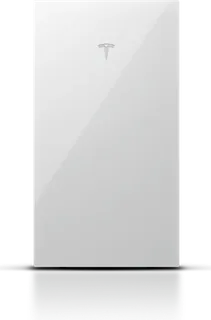
Powerwall 3 · Tesla
Integrated battery and solar inverter with 13.5 kWh capacity and high backup output; confirm solar string and existing inverter compatibility.
-
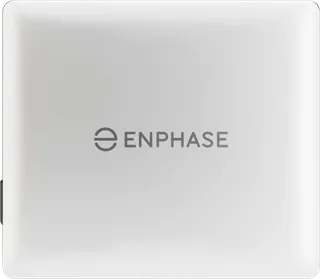
Enphase IQ Battery 10C · Enphase Energy
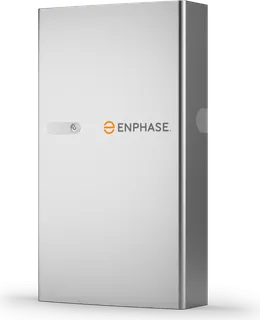
10 kWh AC battery system with embedded microinverters; fits Enphase IQ systems and supports backup with the required system controller.
-
aPower 2 · FranklinWH Energy Storage
15 kWh AC-coupled LFP battery with 10 kW continuous output; uses the FranklinWH aGate system and can work with existing solar inverters.
-
PWRcell 2 · Generac
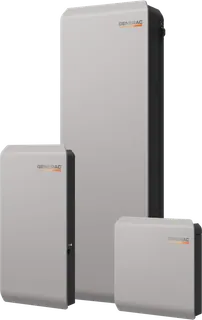
Modular AC-coupled system with 9–18 kWh per cabinet and up to 36 kWh with two; power depends on module and inverter configuration.
-
SolarEdge Home Battery 400V (BAT-10K1P) · SolarEdge Technologies
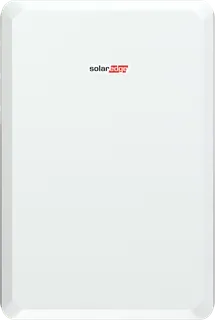
9.7 kWh DC battery for SolarEdge Home Hub inverter systems; compatibility is limited to supported SolarEdge equipment.
-
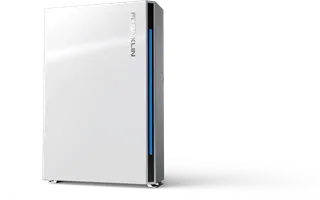
Powerflo 16 · MidNite Solar
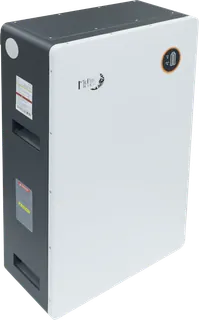
Large 16.076 kWh LFP battery for a compatible inverter system; backup power and controls depend on the inverter and installation.
-
Enphase IQ Battery 5P · Enphase Energy
Smaller 5 kWh AC battery block with embedded microinverters; modular sizing suits Enphase systems but multiple units may be needed for heavy loads.
-
sonnenCore+ · sonnen
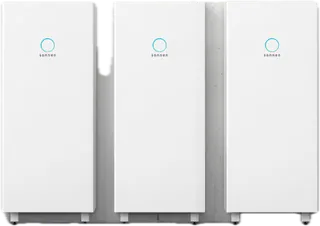
Indoor all-in-one LFP system in 10 or 20 kWh increments; stack up to three systems for 60 kWh, with an authorized installer required for warranty coverage.
Suggest a change
Related comparisons
-
 Solar panels
Compare residential solar panels by rated output, efficiency, heat performance, cell design, degradation, warranty, size, and structural load ratings. The same panel can perform differently with roof orientation, shade, inverter choice, and installation, so compare complete system proposals as well as module specifications.
-
 Solar inverters
Compare residential solar inverters by architecture, AC output, PV input, efficiency, panel optimization, battery and backup support, safety, warranty, and installation limits. Inverter sizing and compatibility must be confirmed against the solar modules, service panel, local utility rules, and installer design.
-
 Smart thermostats
 from Google Nest, ecobee, Honeywell Home, Amazon, Sensi, and Mysa, compared on price, wiring needs, room sensors, smart-home platforms, and energy-saving features. The real choice is less about temperature control, which all of them do well, and more about whether your wiring needs a C wire, whether you want sensors to even out hot and cold rooms, and which smart-home system you use.
-
 Heat pumps
Compare leading U.S. ducted air-source heat pump systems by efficiency, low-temperature heating, modulation, sound, refrigerant, and warranty. Published maximum ratings are achieved only with eligible matched components; ask a licensed HVAC contractor for a load calculation and AHRI-rated match for your home.
-
 Home EV chargers
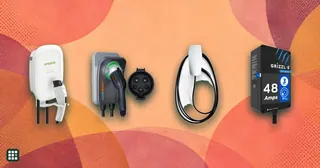
Compare Level 2 home chargers by equipment price, maximum charging current, connector, cable length, and warranty. Price is the manufacturer-listed price for the specified U.S. configuration on October 21, 2026; electrical work, permits, and taxes are extra. Installation and circuit requirements vary. Tesla currently requires a Tesla vehicle owner account to purchase its Universal Wall Connector, and its shop page showed it out of stock when checked.
-
 Portable power stations
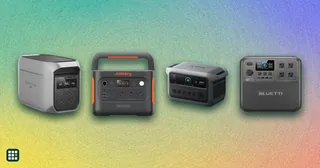
Compare portable power stations for camping, RV trips, and emergency backup. The grid covers compact and roughly 2 kWh models from EcoFlow, Jackery, Anker SOLIX, and BLUETTI.