



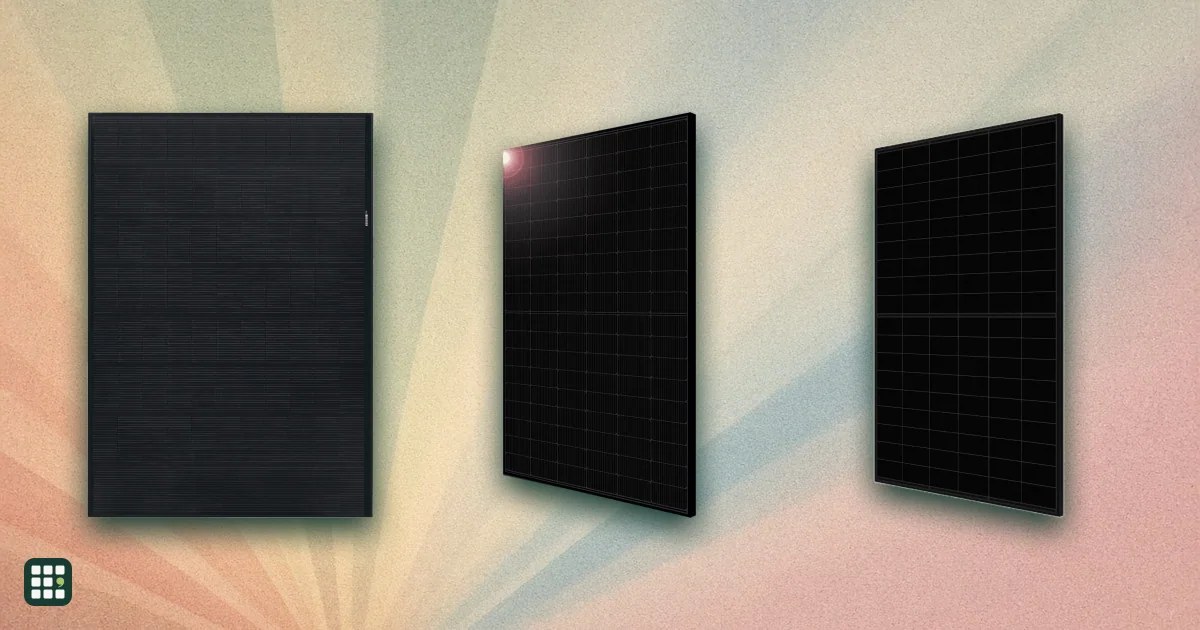
Solar panels
Compare residential solar panels by rated output, efficiency, heat performance, cell design, degradation, warranty, size, and structural load ratings. The same panel can perform differently with roof orientation, shade, inverter choice, and installation, so compare complete system proposals as well as module specifications.
Last updated
How to choose
Start with the roof and system design. Higher watts per panel can reduce the number of modules, while efficiency matters most when usable roof area is limited. Compare rated power and efficiency for the exact model and variant quoted.
Check temperature coefficient, degradation, and the guaranteed output at the end of the performance warranty. Product, power, labor, and installer warranties are different; read the U.S. terms and confirm who must install and register the modules.
Confirm module dimensions, weight, electrical compatibility, and wind or snow loads with your installer. Manufacturers do not use one comparable retail price for panels, so compare complete proposals on the same system size, equipment, workmanship coverage, and cost per watt.
Answer
Browse the table. Filter to what matters.
Use the filters below, then sign in if you want to shortlist and decide with friends.
Sign in to vote, hide products and features, and reorder.
Verified: hover a cell and click its green dot for the source Estimate: no cited source Not stated: the maker doesn't publish it
| Feature | ⠿ | ⠿ |
⠿
Discontinued
|
⠿ | ⠿ | ⠿ | ⠿ | ⠿ |
|---|---|---|---|---|---|---|---|---|
|
⠿
Price
|
||||||||
|
⠿
Rated power output
|
||||||||
|
⠿
Module efficiency
|
||||||||
|
⠿
Power temperature coefficient
|
||||||||
|
⠿
Cell technology and design
|
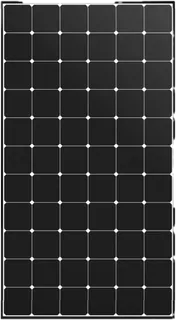
66 monocrystalline Maxeon Gen 6 back-contact cells
|
|||||||
|
⠿
First year and annual degradation
|
||||||||
|
⠿
Power warranty and end output
|
||||||||
|
⠿
Product warranty coverage
|
||||||||
|
⠿
Panel dimensions and weight
|
||||||||
|
⠿
Mechanical load ratings
|
||||||||
|
⠿
Bifacial
|
||||||||
|
⠿
Cell count
|
||||||||
|
⠿
Connector type
|
||||||||
|
⠿
Fire rating
|

Why these features matter
-
Price ($/panel)
Module price is a modest share of an installed system, but it shows each brand’s price tier: premium back-contact and heterojunction panels cost far more per panel than mainstream TOPCon ones. Installers set their own prices, so use this to compare tiers, not to predict a quote.
-
Rated power output
Higher output per module can reduce panel count, but the system must also match roof area and inverter design.
-
Module efficiency
Higher efficiency can help when roof area is limited; it does not alone determine annual system output.
-
Power temperature coefficient
A less negative coefficient generally means smaller output losses as the panel heats up.
-
Cell technology and design
Cell architecture affects appearance, output, and handling; compare the exact product variant.
-
First year and annual degradation
Lower warranted degradation preserves more nameplate output over time.
-
Power warranty and end output
The endpoint makes long-term guarantees easier to compare than warranty length alone.
-
Product warranty coverage
A long warranty can be conditional; confirm who can claim it and what labor is included.
-
Panel dimensions and weight
Panel size and weight affect roof fit, transport, and structural planning.
-
Mechanical load ratings
Loads indicate tested structural limits; local code and mounting design still govern installation.
-
Bifacial
Bifacial modules can add output from light reflected onto the back, which matters most over reflective surfaces or open-rack mounts; flush roof mounts usually gain less.
-
Cell count (cells)
Cell count helps explain module size and electrical layout; it is a technical detail, so compare it with output and dimensions rather than on its own.
-
Connector type
Connectors must match the inverter or optimizer and the installer's wiring; a proprietary type can mean adapters or fewer compatible parts.
-
Fire rating
Fire class and type show how the module performed in fire tests; roof type and local code decide what is required, so confirm with your installer.
About the products
-
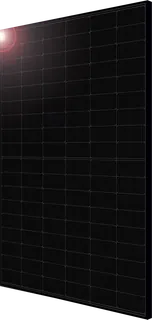
Maxeon 6 DC Black 410–425 W · Maxeon Solar Technologies
Residential black back-contact modules; U.S. 40-year warranty requires registration and authorized Maxeon Partner installation.
-
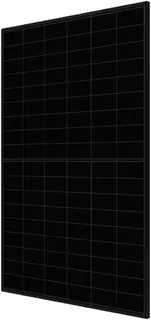
Alpha Pure-RX 450/460/470 W · REC Group
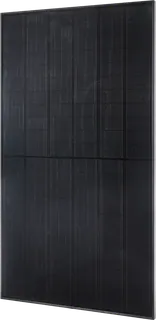
High-output heterojunction residential modules; 25-year ProTrust labor coverage has installer and registration conditions.
-
EVERVOLT HK2 Black 420/430 W · Panasonic · Discontinued
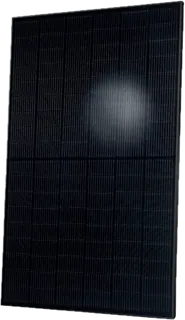
Heterojunction modules. Panasonic has discontinued its solar business but says existing warranties will be honored; 25-year labor coverage depends on installer and system bundle.
-
Q.TRON BLK M-G2+ 415–440 W · Qcells
Residential-exclusive N-type TOPCon module family; listed wind and snow maxima depend on mounting.
-
Prime NTC SIL-440 QD 440 W · Silfab Solar
U.S.-made residential N-type module; 25-year product coverage is registration- and condition-dependent.
-
TOPHiKu6 All-Black 455 W · Canadian Solar
N-type TOPCon residential panel; rooftop product coverage depends on region and mounting conditions.
-
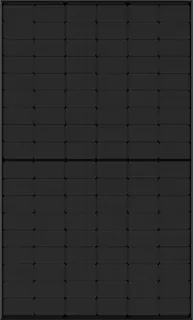
EAGLE G6R 420–440 W · JinkoSolar
54-cell black-frame/backsheet N-type TOPCon model; model-specific U.S. warranty gives 25-year product and 30-year power terms.
-
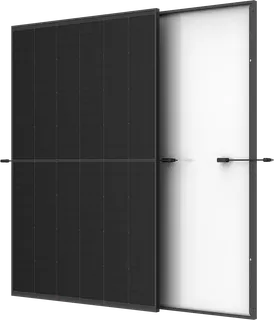
Vertex S+ 445 W All-Black TSM-NEG9RH.25 · Trina Solar
U.S.-assembled, dual-glass N-type TOPCon residential panel with up to 25-year product and 30-year power warranties.
Suggest a change
Related comparisons
-
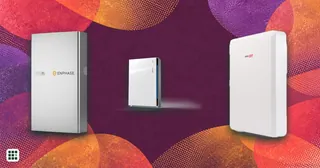 Home batteries
Compare home batteries by usable energy, continuous and peak output, efficiency, chemistry, solar compatibility, scalability, backup operation, warranty, and installation environment. Battery-only products need a compatible inverter and controls; complete system proposals also depend on home loads, solar equipment, local rules, and installer design.
-
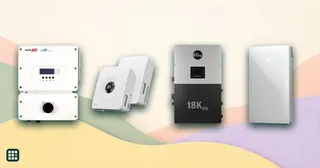 Solar inverters
Compare residential solar inverters by architecture, AC output, PV input, efficiency, panel optimization, battery and backup support, safety, warranty, and installation limits. Inverter sizing and compatibility must be confirmed against the solar modules, service panel, local utility rules, and installer design.
-
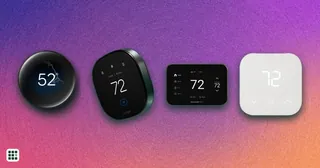 Smart thermostats
 from Google Nest, ecobee, Honeywell Home, Amazon, Sensi, and Mysa, compared on price, wiring needs, room sensors, smart-home platforms, and energy-saving features. The real choice is less about temperature control, which all of them do well, and more about whether your wiring needs a C wire, whether you want sensors to even out hot and cold rooms, and which smart-home system you use.
-
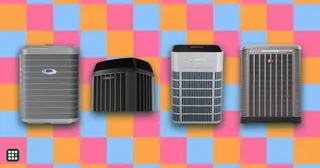 Heat pumps
Compare leading U.S. ducted air-source heat pump systems by efficiency, low-temperature heating, modulation, sound, refrigerant, and warranty. Published maximum ratings are achieved only with eligible matched components; ask a licensed HVAC contractor for a load calculation and AHRI-rated match for your home.
-
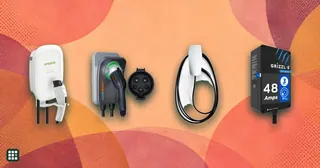 Home EV chargers
Compare Level 2 home chargers by equipment price, maximum charging current, connector, cable length, and warranty. Price is the manufacturer-listed price for the specified U.S. configuration on October 21, 2026; electrical work, permits, and taxes are extra. Installation and circuit requirements vary. Tesla currently requires a Tesla vehicle owner account to purchase its Universal Wall Connector, and its shop page showed it out of stock when checked.
-
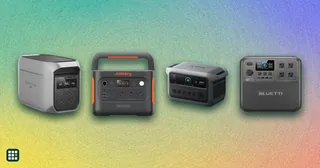 Portable power stations
Compare portable power stations for camping, RV trips, and emergency backup. The grid covers compact and roughly 2 kWh models from EcoFlow, Jackery, Anker SOLIX, and BLUETTI.