



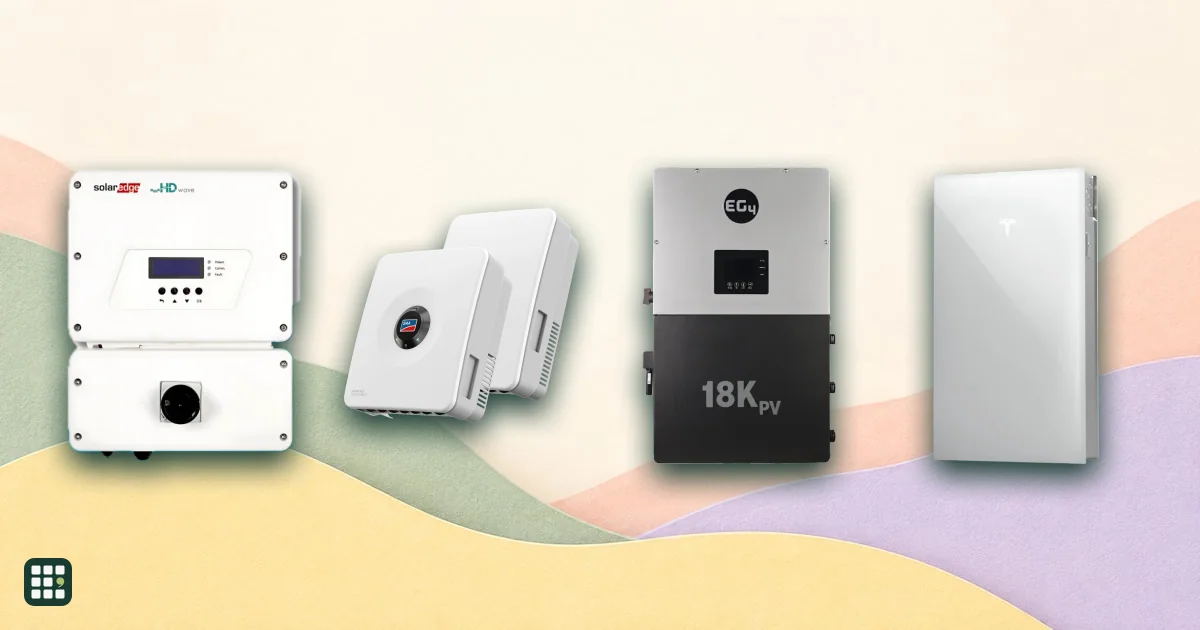
Solar inverters
Compare residential solar inverters by architecture, AC output, PV input, efficiency, panel optimization, battery and backup support, safety, warranty, and installation limits. Inverter sizing and compatibility must be confirmed against the solar modules, service panel, local utility rules, and installer design.
Last updated
How to choose
Start with the roof and the job you expect the system to do. Microinverters convert power at each panel; string inverters serve a group of panels, while optimizers keep panel-level tracking but rely on a central inverter. Shade, roof orientations, service access, and the number of panels affect which design fits.
Check the inverter output against your service voltage and expected solar production. Compare maximum DC input and MPPT limits with the module electrical ratings and string layout; oversized DC arrays can be allowed, but clipping and temperature limits matter. Efficiency ratings use different test methods, so compare CEC weighted figures where available.
If you may add storage or need outage power, confirm battery voltage, coupling method, supported batteries, backup equipment, transfer behavior, and usable output. Grid-tied solar inverters usually shut down during an outage unless the system has approved isolation and grid-forming equipment.
Review the warranty term and exclusions, rapid-shutdown and grid-interconnection certifications, monitoring needs, enclosure rating, and operating temperature. Ask a licensed installer to confirm the complete design and utility approval.
Answer
Browse the table. Filter to what matters.
Use the filters below, then sign in if you want to shortlist and decide with friends.
Sign in to vote, hide products and features, and reorder.
Verified: hover a cell and click its green dot for the source Estimate: no cited source
| Feature | ⠿ | ⠿ | ⠿ | ⠿ | ⠿ | ⠿ | ⠿ | ⠿ |
|---|---|---|---|---|---|---|---|---|
|
⠿
Inverter Architecture
|
||||||||
|
⠿
Continuous AC Output
|
11.5 kW max grid-connected (48 A); selectable 5.8, 7.6, 10, or 11.5 kW. Off-grid PV-only: up to 15.4 kW conditionally.
|
|||||||
|
⠿
PV Input and Array Sizing
|
20 kW STC max; 600 V max; PV input 60–550 V, MPPT range 60–480 V; six inputs.
|
|||||||
|
⠿
Conversion Efficiency
|
97.5% solar-to-home/grid CEC weighted; 89% solar-to-battery-to-home/grid round-trip under stated test conditions.
|
|||||||
|
⠿
MPPT and Panel Optimization
|
8 MPPTs, rated 5 kW per channel; compatible RSD/optimizer options vary.
|
One microinverter converts each module’s DC to AC; MPPT count is not stated.
|
||||||
|
⠿
Battery Compatibility
|
IQ8 systems can be paired with IQ Batteries; battery connection and operation require compatible system equipment.
|
No battery compatibility is specified for Q.MI.349B-G1 in the current datasheet.
|
||||||
|
⠿
Backup Power and Transfer
|
No battery backup or transfer capability is specified for this microinverter.
|
Supports Backup Gateway 2, Backup Switch, or Gateway 3 for islanding; transfer time is not stated here.
|
||||||
|
⠿
Rapid Shutdown and Grid Compliance
|
||||||||
|
⠿
Warranty Terms
|
25-year limited warranty from activation date under the U.S., Puerto Rico, and Canada warranty schedule.
|
10-year warranty for Powerwall 3.
|
||||||
|
⠿
Installation Environment
|
Indoor or outdoor installation; NEMA 3R enclosure, with operating range −4°F to 140°F.
|
Indoor/outdoor rated, NEMA 3R; −4°F to 122°F operating range, with temperature derating above 104°F.
|
Why these features matter
-
Inverter Architecture
Architecture affects shade response, system expansion, service needs, and whether the inverter also manages batteries.
-
Continuous AC Output
AC output caps the solar power the inverter can convert at once and must fit the home electrical service.
-
PV Input and Array Sizing
Oversizing and electrical limits affect panel compatibility, clipping, string design, and future expansion.
-
Conversion Efficiency
Efficiency describes conversion losses, but peak and weighted ratings are different measures.
-
MPPT and Panel Optimization
Panel-level tracking can reduce losses across shaded or differently oriented modules; string designs use fewer electronics on the roof.
-
Battery Compatibility
Battery readiness varies by inverter and may require matching controls or a supported battery ecosystem.
-
Backup Power and Transfer
Most grid-tied inverters shut off in an outage unless the system can safely form an isolated home grid.
-
Rapid Shutdown and Grid Compliance
Permitting and utility approval depend on safety controls and certified grid behavior.
-
Warranty Terms
Inverter service or replacement can affect system uptime and total ownership cost.
-
Installation Environment
Location, ambient temperature, and ventilation can affect safe placement and output derating.
About the products
-
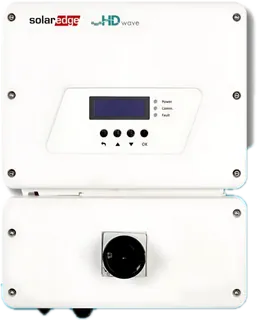
HD-Wave SE7600H-US · SolarEdge Technologies
7.6 kW optimized-string inverter that uses module-level power optimizers; installer compatibility and storage features vary by exact version.
-
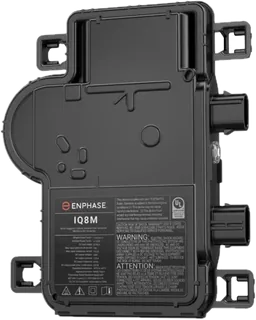
IQ8M-72-2-US · Enphase Energy · Superseded
Panel-level microinverter with grid-forming capability; its output and features apply per module, not a whole-home inverter.
-
OCEAN Pro Hybrid Inverter · EcoFlow
Hybrid residential system inverter with high PV input, battery integration, and whole-home backup; configuration-dependent.
-
Q.MI.349B-G1 · Qcells
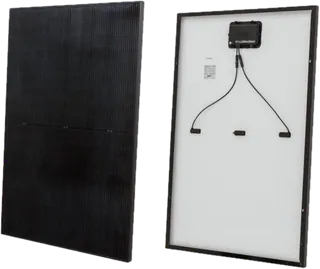
Panel-level microinverter offered with Qcells AC modules; output and compatibility are per module.
-
Powerwall 3 solar inverter · Tesla
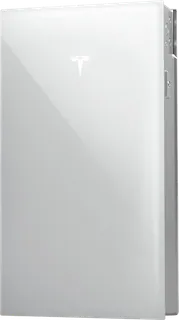
Integrated solar inverter in a battery system with six PV inputs and backup support; compare as a complete system.
-
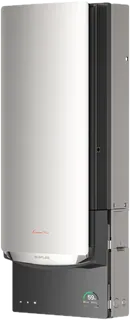
Sunny Boy Smart Energy 11.5-US · SMA America
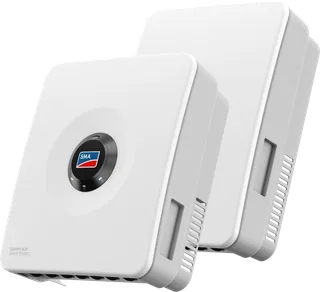
Single-phase hybrid inverter for residential PV and high-voltage battery storage; backup options depend on added equipment.
-
Sol-Ark 15K-2P · Sol-Ark
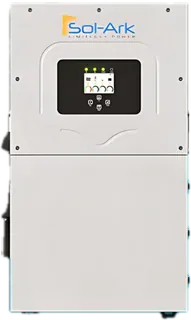
15 kW residential hybrid inverter with split-phase output, high-voltage PV input, battery, generator, and backup support.
-
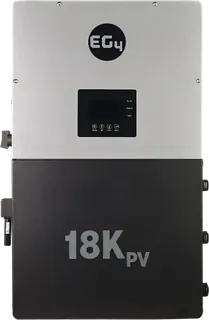
EG4 18kPV-12LV · EG4 Electronics
48 V hybrid inverter/charger with split-phase output, up to 18 kW PV input, battery support, and off-grid operation.
Suggest a change
Related comparisons
-
 Portable power stations
Compare portable power stations for camping, RV trips, and emergency backup. The grid covers compact and roughly 2 kWh models from EcoFlow, Jackery, Anker SOLIX, and BLUETTI.
-
 Solar panels
Compare residential solar panels by rated output, efficiency, heat performance, cell design, degradation, warranty, size, and structural load ratings. The same panel can perform differently with roof orientation, shade, inverter choice, and installation, so compare complete system proposals as well as module specifications.
-
 Home batteries
Compare home batteries by usable energy, continuous and peak output, efficiency, chemistry, solar compatibility, scalability, backup operation, warranty, and installation environment. Battery-only products need a compatible inverter and controls; complete system proposals also depend on home loads, solar equipment, local rules, and installer design.
-
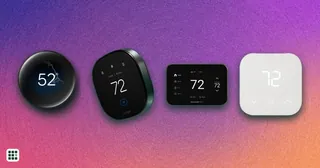 Smart thermostats
 from Google Nest, ecobee, Honeywell Home, Amazon, Sensi, and Mysa, compared on price, wiring needs, room sensors, smart-home platforms, and energy-saving features. The real choice is less about temperature control, which all of them do well, and more about whether your wiring needs a C wire, whether you want sensors to even out hot and cold rooms, and which smart-home system you use.
-
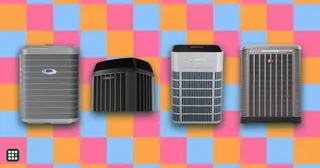 Heat pumps
Compare leading U.S. ducted air-source heat pump systems by efficiency, low-temperature heating, modulation, sound, refrigerant, and warranty. Published maximum ratings are achieved only with eligible matched components; ask a licensed HVAC contractor for a load calculation and AHRI-rated match for your home.
-
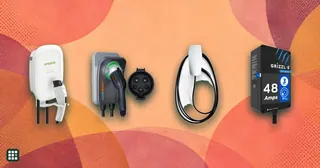 Home EV chargers
Compare Level 2 home chargers by equipment price, maximum charging current, connector, cable length, and warranty. Price is the manufacturer-listed price for the specified U.S. configuration on October 21, 2026; electrical work, permits, and taxes are extra. Installation and circuit requirements vary. Tesla currently requires a Tesla vehicle owner account to purchase its Universal Wall Connector, and its shop page showed it out of stock when checked.