



DIY
Cordless drill kits, drone cells, and printable quadcopter frames compared for home and workshop builds.
These comparisons cover projects you spec and build yourself, from everyday home repairs to custom drone packs and printable airframes. The categories look unrelated, but DIY buyers keep running into the same trade-offs: what the datasheet promises versus what you'll see in use, how locked-in you are to one brand or cell format, and how much skill the project expects before you buy parts.
For cordless drill kits, the kit price is only the start. Voltage and included batteries decide torque for drilling and driving, but the battery platform locks in every future bare tool. Compare charger speed, how many batteries ship in the box, and whether the line still gets new tools. For lithium cells and printable quadcopters, capacity and weight on paper do not equal hover time: continuous discharge rating, internal resistance, and cold-weather limits matter, and many flight-time figures are the designer's own test, not a standard you can compare across builds.
Match the project to your shop. A weekend homeowner needs a reliable drill ecosystem, not the highest torque on the chart. A long-endurance quad build means choosing 18650 versus 21700, print difficulty, and whether you need GPS or a phone link before you print plastic and solder a pack. When a grid flags draft specs or cells you cannot buy, treat that as part of the buying decision, not fine print.
Where to start
- Drilling, driving, and general home projects: Cordless drill and driver kits
- Picking cells for a custom multirotor pack: 18650 and 21700 cells for long-endurance drones
- Choosing a printable frame and cell layout: 3D-printable long-endurance quadcopters
-
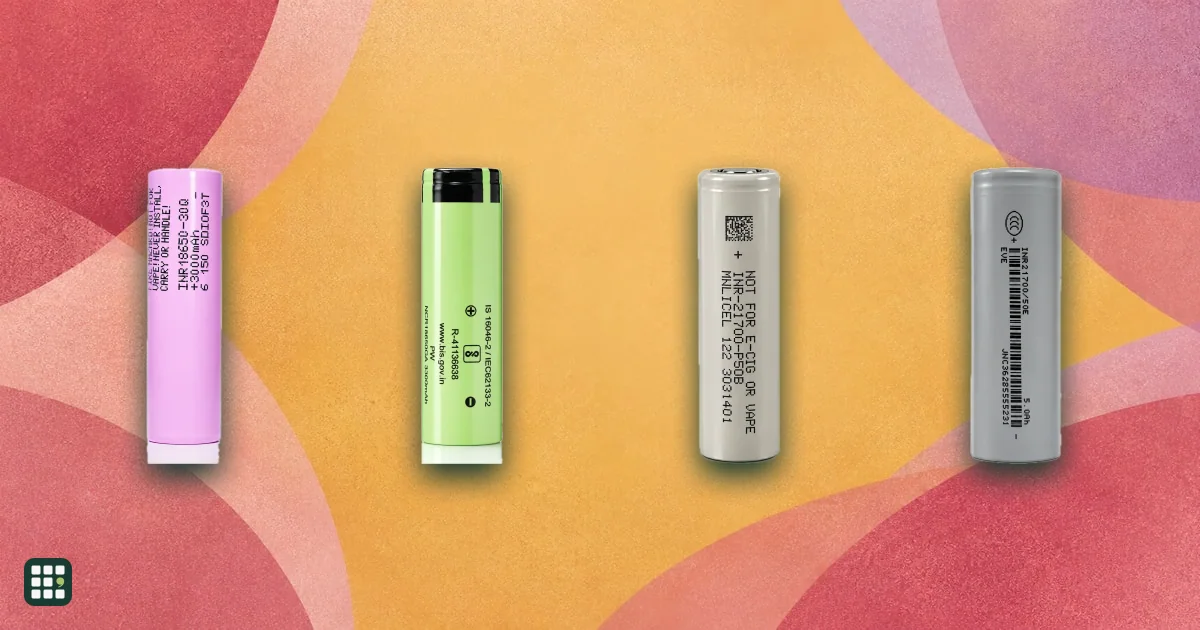 18650 and 21700 cells for long-endurance drones
20 products · Updated Nov 9, 2026
Individual 18650 and 21700 lithium-ion cells are the usual choice for a homebuilt, long-endurance quadcopter or fixed-wing pack: cheap, light and easy to hold in a 3D-printed frame. This grid compares twenty cells on what decides flight time (guaranteed capacity, energy per gram, weight) and on whether they can feed a hover (continuous current, internal resistance, cold limit). Figures come from the makers' own data sheets as quoted by the retailer or the maker, and we flag draft specs and cells you cannot actually buy.
-
 3D-printable long-endurance quadcopters (18650 and 21700)
14 products · Updated Nov 8, 2026
Printable quadcopter frames that run on single Li-ion cells fly far longer than the same size of drone on a LiPo, but the real decision is size, cell format and how many cells. This grid compares fourteen published designs and builds, from a 3 inch single 18650 to a 4S 21700 4 inch frame, with two non-printed benchmarks (a one-hour ArduPilot quad and a 34-minute single-cell quad), on flight time and how it was measured, weight, cells, print difficulty, GPS and phone-link support, and an estimated box footprint. It is honest about the gaps: almost no design documents a phone link, and most flight times are the designer's own claim.
-
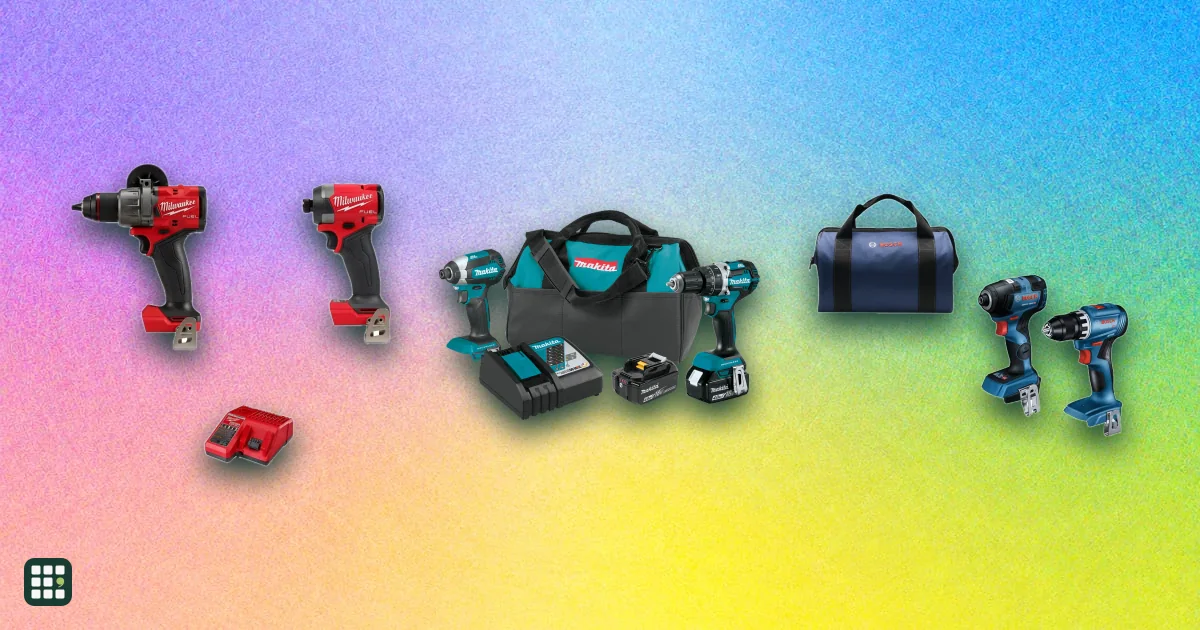 Cordless drill and driver kits
10 products · Updated Nov 11, 2026
Compare ten 12V, 18V, 20V and 24V cordless tool kits across multiple battery ecosystems. Battery systems lock in future bare-tool purchases, so compare the included batteries and charger alongside tool power. Maximum torque figures are manufacturer ratings and do not make unlike tools directly equivalent in real work.
-
FPV flight controller stacks
9 products · Updated Nov 13, 2026
A flight controller stack pairs the brain of a quad (the flight controller) with a 4-in-1 ESC that drives its four motors. This grid compares current stacks for 3 to 7 inch FPV builds on processor, ESC current, battery voltage, mounting size and wireless setup, so you can match a stack to your frame, motors and battery.
-
 Grass seed
22 products · Updated Nov 17, 2026
Grass seed comes as single species, regional blends, and seed-plus-fertilizer products, and the right one depends on your climate, how much sun the spot gets, and whether you are starting a new lawn, overseeding, or patching. This grid compares the main national brand lines and farm-direct mixes on grass type, shade and drought tolerance, germination time, seeding rate, price per pound, and whether fertilizer is included.
-
 Multi-tools
6 products · Updated Nov 13, 2026
Pocket multi-tools trade carry weight and size against pliers, cutting tools, drivers, and specialist gear. This comparison covers compact everyday carry models and larger repair and outdoor tools; check the actual implement list, blade dimensions, included pouch, and warranty before choosing.
-
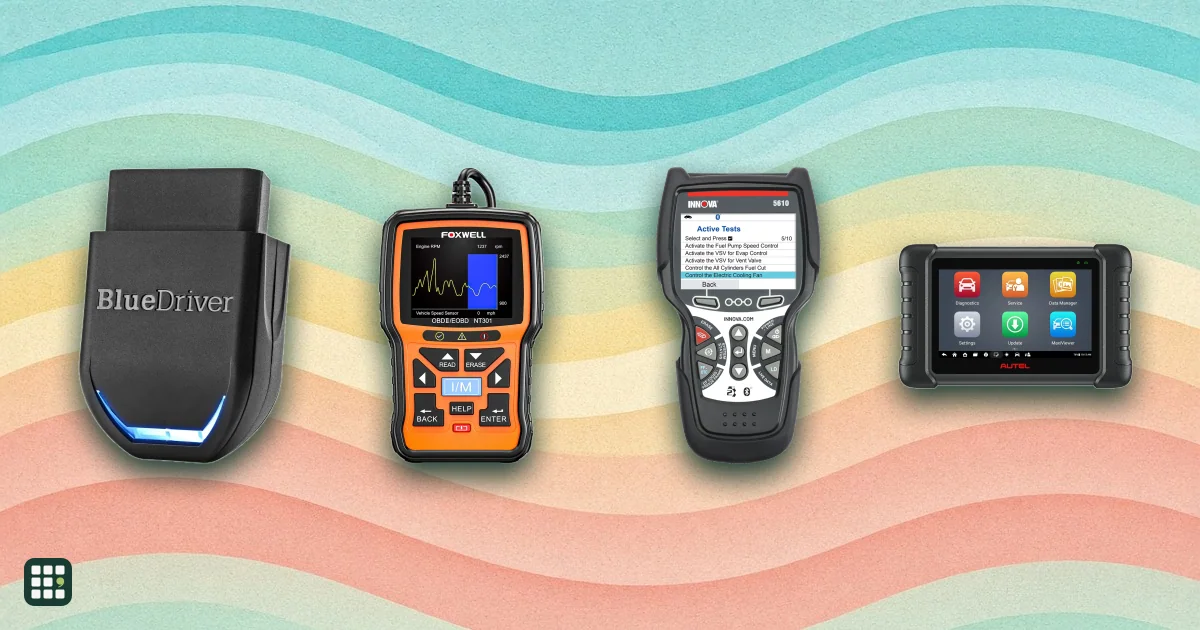 OBD2 scanners
17 products · Updated Nov 15, 2026
An OBD2 scanner reads why your check-engine light is on, and better ones reach ABS, airbag and other modules, run active tests and do service resets. Compare phone dongles, handheld code readers and DIY tablets by price, systems covered, service functions, warranty, and what keeps working after any free update period ends.
-
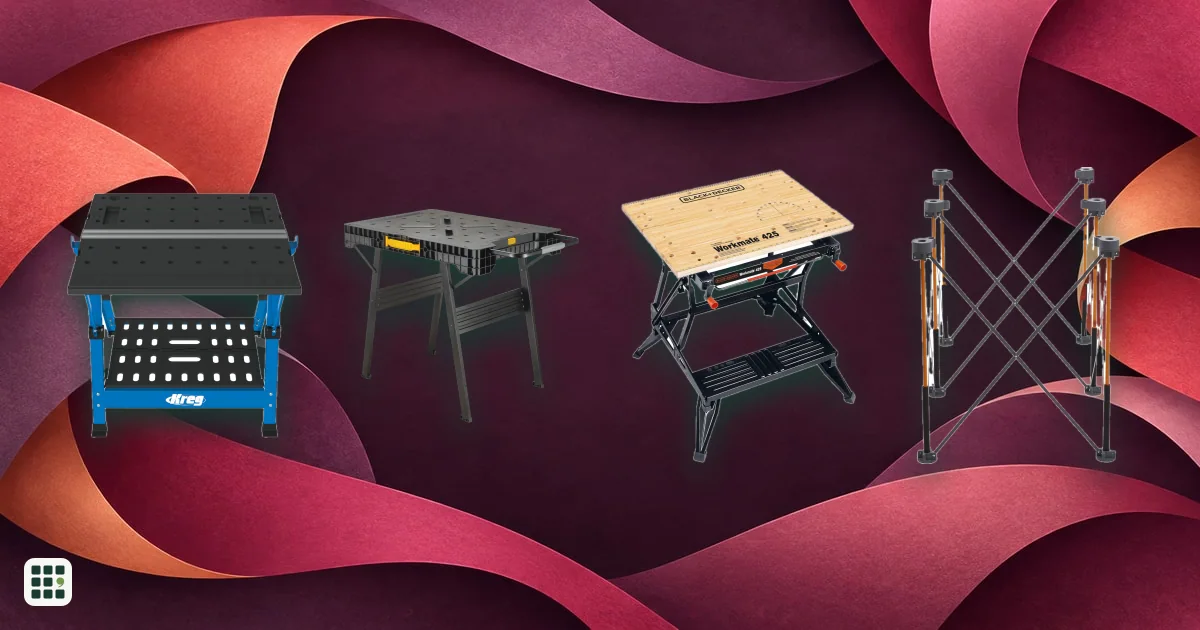 Portable workbenches
6 products · Updated Nov 14, 2026
Portable workbenches fold flat so you can carry them to the job and store them in a closet or car. The real decisions are how much work surface you need, how much weight it holds, and whether it clamps work for you or you bring your own clamps.
-
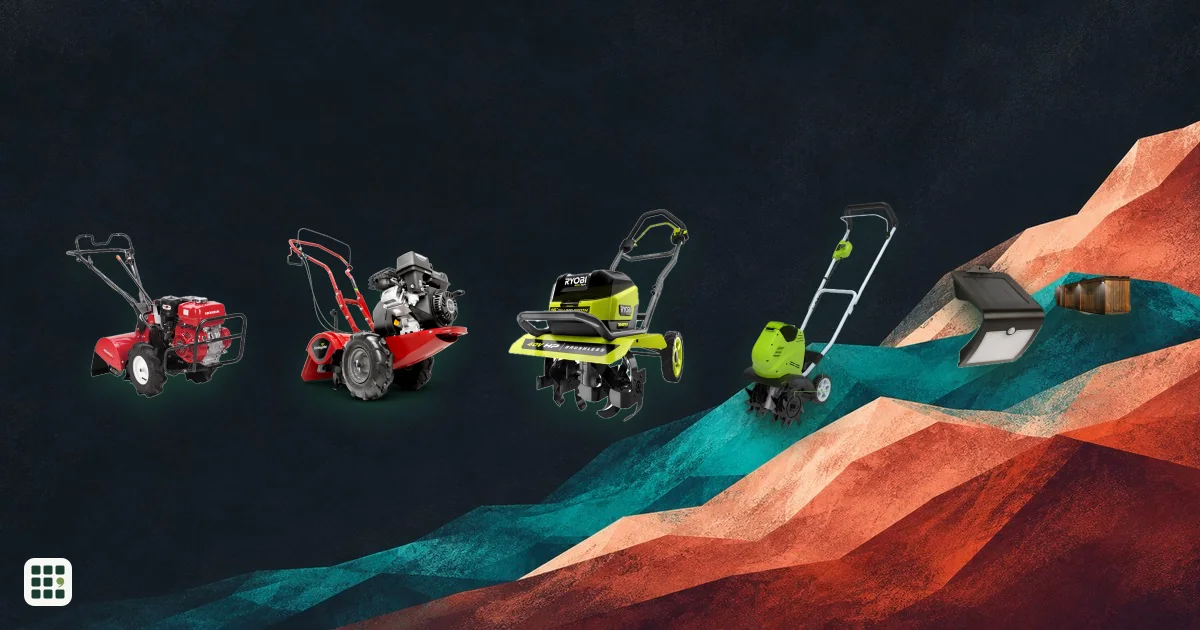 Tillers and cultivators
9 products · Updated Nov 17, 2026
Tillers break up and mix soil for a new or existing garden. Cultivators are lighter machines that loosen soil and weed between rows. The choice comes down to how hard your soil is, how much ground you work, and whether you want gas power, a battery, or a cord.
-
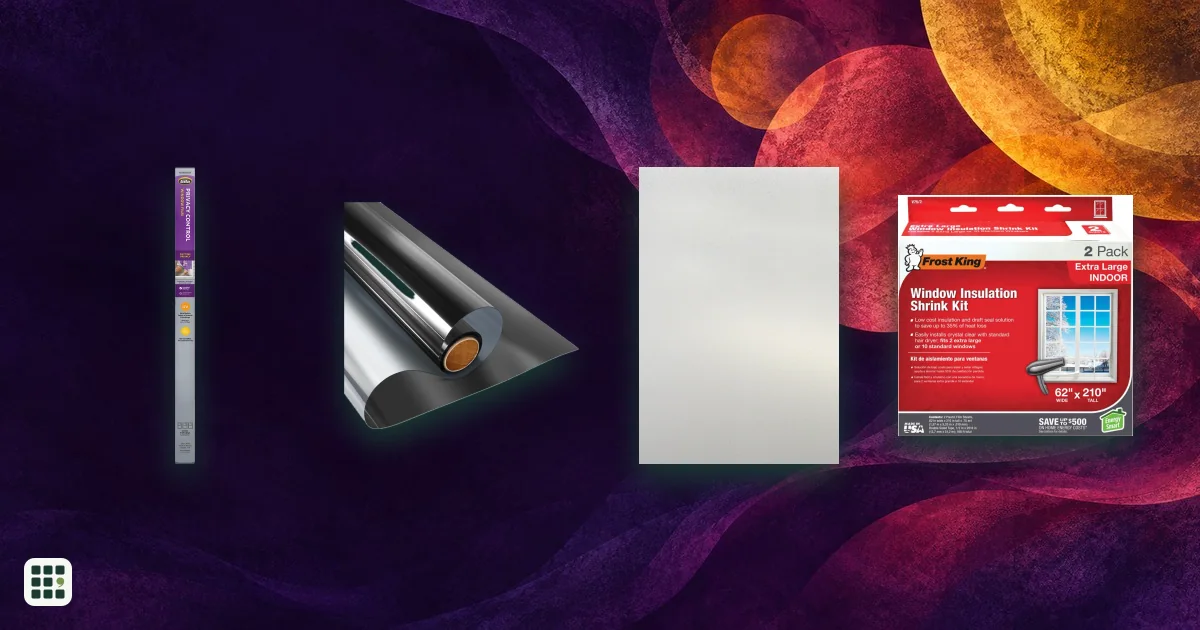 Window film
11 products · Updated Nov 17, 2026
Window film is a thin layer you stick to glass to change what the window does: reflect heat, hide the view in, soften light, or insulate against drafts. This grid compares do-it-yourself films for home windows on price, privacy day and night, heat and UV blocked, how they attach, and whether you can take them off and reuse them.