



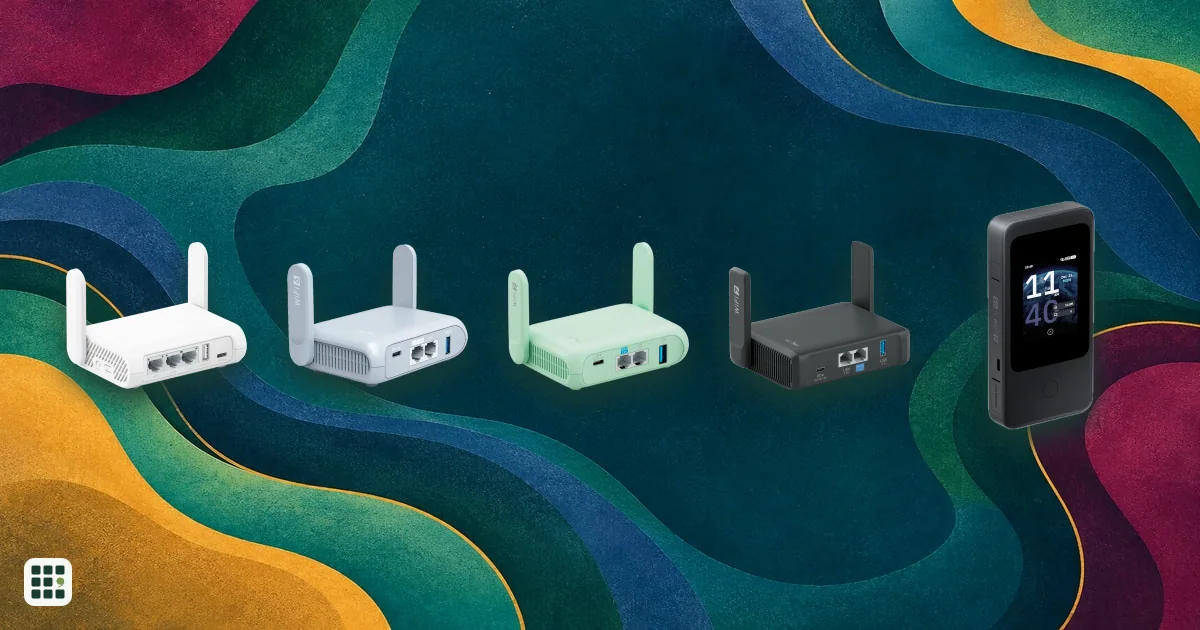
Travel routers
A travel router turns a hotel Ethernet jack, public Wi-Fi or a phone's tethering into your own private network for all your devices. The decision is between cheap and tiny, fast Wi-Fi 7 with a fast VPN, or a model with its own 5G modem.
Last updated
How to choose
Start with where you will use it. For a hotel with a wired jack or a captive-portal Wi-Fi, almost any model works. For streaming or many devices, pick Wi-Fi 6 or 7.
Compare
- VPN speed: the router encrypts everything, so a weak chip caps your speed. Check the WireGuard figure, not the Wi-Fi headline.
- Ports: a 2.5 Gbps port only matters if your internet line is faster than 1 Gbps.
- Cellular: only a model with a built-in modem works away from Wi-Fi without a phone; the rest can tether to a phone by USB.
- Power and size: check weight and that it runs from a USB-C power bank.
Check before buying
Confirm the warranty, whether the price is for your region's plug, and that the maker still sells it.
Answer
Browse the table. Filter to what matters.
Use the filters below, then sign in if you want to shortlist and decide with friends.
Sign in to vote, hide products and features, and reorder.
Verified: hover a cell and click its green dot for the source Estimate: no cited source Not stated: the maker doesn't publish it
| Feature | ⠿ | ⠿ | ⠿ | ⠿ | ⠿ | ⠿ | ⠿ | ⠿ | ⠿ | ⠿ | ⠿ | ⠿ | ⠿ | ⠿ |
|---|---|---|---|---|---|---|---|---|---|---|---|---|---|---|
|
⠿
Price
|
||||||||||||||
|
⠿
Built in cellular modem
|
|
|
|
|
|
|
|
|
|
|
|
|||
|
⠿
WiFi standard
|
||||||||||||||
|
⠿
Max WiFi speed
|
||||||||||||||
|
⠿
WireGuard speed
|
||||||||||||||
|
⠿
Fastest Ethernet port
|
||||||||||||||
|
⠿
Touchscreen
|
|
|
|
|
|
|
|
|
|
|
|
|
||
|
⠿
USB port
|
||||||||||||||
|
⠿
Weight
|
142 g
|
|||||||||||||
|
⠿
Warranty
|
2 years
|
2 years
|
2 years
|
|||||||||||
|
⠿
Built in battery
|
|
|
|
|
|
|
|
|
|
|
|
|
|
Why these features matter
-
Price ($)
Sets the budget; the cheapest models trade away speed.
-
Built in cellular modem
Lets you get online away from Wi-Fi without a phone.
-
WiFi standard
Newer generations handle more devices and speed, if your devices support them.
-
Max WiFi speed (Mbps)
A rough ceiling; real speeds are lower and depend on your devices.
-
WireGuard speed (Mbps)
The router encrypts all traffic, so this caps your speed when the VPN is on.
-
Fastest Ethernet port (Mbps)
Matters only if your hotel or home line is faster than 1 Gbps.
-
Touchscreen
Lets you change settings without a phone or laptop.
-
USB port
Allows phone tethering and shared storage.
-
Weight (g)
Matters if you pack light.
-
Warranty (years)
Coverage if it fails while you travel.
-
Built in battery
A battery lets a cellular router work in a bag or a car with no outlet.
About the products
-
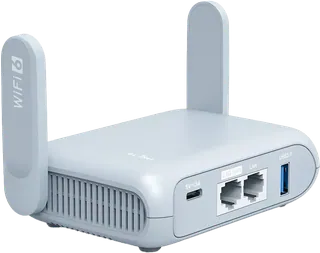
Beryl AX · GL.iNet
Pocket Wi-Fi 6 router with a 2.5 Gbps WAN port and solid VPN speeds. A strong value pick for most travelers.
-
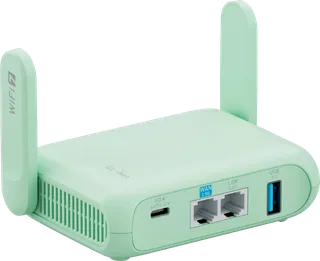
Beryl 7 · GL.iNet
Dual-band Wi-Fi 7 travel router with the fastest VPN here and no screen.
-
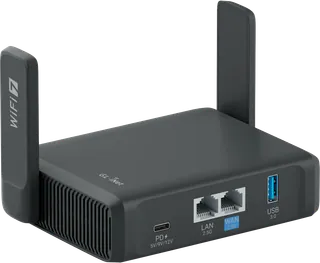
Slate 7 · GL.iNet
Wi-Fi 7 travel router with a touchscreen for control without a phone or laptop.
-
Mudi 7 · GL.iNet
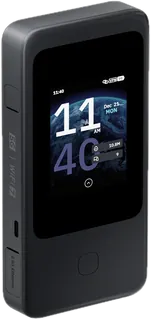
Tri-band Wi-Fi 7 router with a built-in 5G modem and touchscreen. The only model here that needs no Wi-Fi or tethering, and by far the priciest.
-
Opal · GL.iNet
Low-cost Wi-Fi 5 travel router with gigabit ports. Enough for hotel Wi-Fi and light VPN use.
-
Mango · GL.iNet
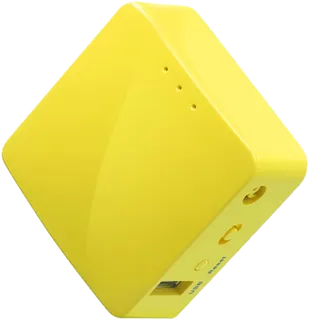
Tiny 40 g Wi-Fi 4 router, the cheapest and lightest. Slow for streaming or fast VPN.
-
Roam 6 (TL-WR1502X) · TP-Link
AX1500 Wi-Fi 6 travel router with gigabit ports and a mode switch. TP-Link's page gives no price or VPN speed.
-
Roam 6 AX3000 (TL-WR3002X) · TP-Link
AX3000 Wi-Fi 6 travel router with a 2.5 Gbps WAN port, USB 3.0 and a microSD slot. TP-Link's page gives no price or VPN speed.
-
Slate AX · GL.iNet
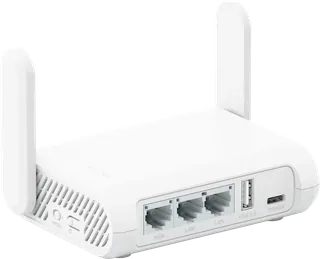
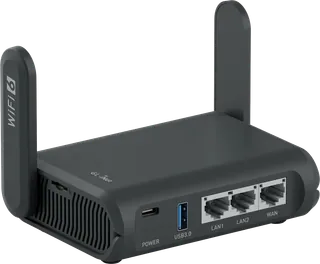
Wi-Fi 6 travel router with retractable antennas, USB 3.0 and fast VPN speeds. The earlier Slate, still sold, with no touchscreen.
-
Mudi V2 (4G) · GL.iNet
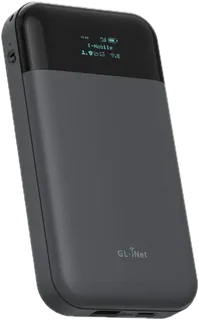
Pocket 4G LTE router with a SIM slot and a 7000 mAh battery, so it works away from Wi-Fi. Wi-Fi 5 and slow VPN speeds; the cheaper cellular option.
-
TL-WR902AC · TP-Link
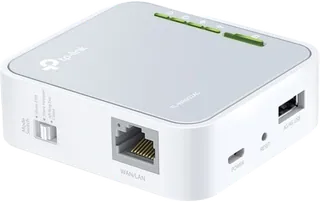
AC750 Wi-Fi 5 pocket travel router at about 57 g with a USB port. Basic hotel-room use; TP-Link's page gives no price or VPN speed.
-
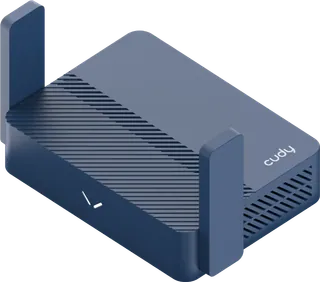
Cudy TR3000 · Cudy
AX3000 Wi-Fi 6 travel router with a 2.5 Gbps WAN port, USB 3.0 and a VPN switch. Cudy's own store lists no US price.
-
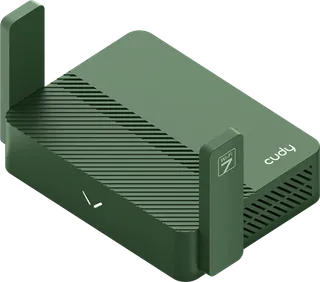
Cudy TR3600 · Cudy
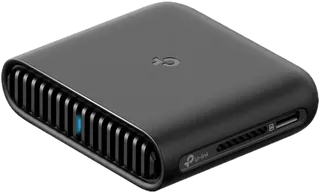
Wi-Fi 7 travel router with two 2.5 Gbps ports, USB 3.0 and fast WireGuard speeds, cooled by a small fan. Cudy's own store lists no US price.
-
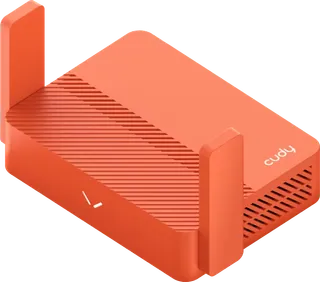
Cudy TR1200 · Cudy
Light AC1200 Wi-Fi 5 travel router powered over USB-C. Its Ethernet ports are only 100 Mbps and VPN speed is low, so it suits basic hotel use. Cudy's own store lists no US price.
Suggest a change
Related comparisons
-
 Mesh Wi-Fi systems
 spread one network across your home with two or more units, so far rooms and upper floors get a strong signal. This grid compares current kits from eero, NETGEAR Orbi, TP-Link Deco, ASUS ZenWiFi, Google Nest, Linksys and Tenda on price, Wi-Fi standard, coverage, bands, wired ports and subscriptions. The main trade-offs are cost against speed and range, and simple app-only systems against ones with more ports and settings.
-
 5G home internet
Compare 5G home internet plans from T-Mobile, Verizon, AT&T and Cricket: wireless broadband that uses a carrier gateway instead of a cable or fiber line. Prices, typical speeds, price guarantees and phone-bundle discounts differ more than the marketing suggests, and speeds depend heavily on your address.
-
 Wi-Fi routers
Compare Wi-Fi routers and mesh Wi-Fi systems sold in the US, from budget Wi-Fi 6 routers to Wi-Fi 7 mesh and gaming routers from eero, Google, Netgear, TP-Link, ASUS, Linksys, Ubiquiti and others. The main choices are a single router or mesh, which Wi-Fi generation your devices can use, coverage for your home, wired ports for fast internet plans, and whether useful features need a subscription.
-
 Smart home hubs
A smart home hub is the box that talks to your sensors, lights and locks, runs your automations and links them to your phone and voice assistant. This grid compares the dedicated hubs hobbyists and families use with the brand hubs for Philips Hue and Aqara and the Apple TV and HomePod mini that act as Apple Home hubs. The real choices are which radios you need (Zigbee, Z-Wave, Thread, Matter), whether you want everything to run locally, and how much tinkering you will tolerate.
-
 Gaming routers
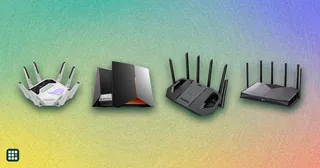
 add game-traffic priority, multi-gig ports, and often a 6 GHz band to ordinary Wi-Fi. This grid compares ASUS ROG and TUF and TP-Link Archer models on price, Wi-Fi generation, ports, gaming features, and mesh and security terms, so you can see what the extra money actually buys.
-
 Coworking spaces in Montreal, Canada
Montreal's coworking scene runs from a former bank head office in Old Montreal to a canal-side loft in Griffintown and a bright Plateau space steps from Mont-Royal metro. This grid compares coworking spaces branch by branch across the City of Montreal: day pass and membership prices in CAD, the hours day-pass guests and members get, phone booths and meeting rooms, what each operator says about its internet, and where each one sits on the metro map. It covers operators that publish prices on their own sites; several smaller spaces that only list prices through directories are left out until they publish their own.