



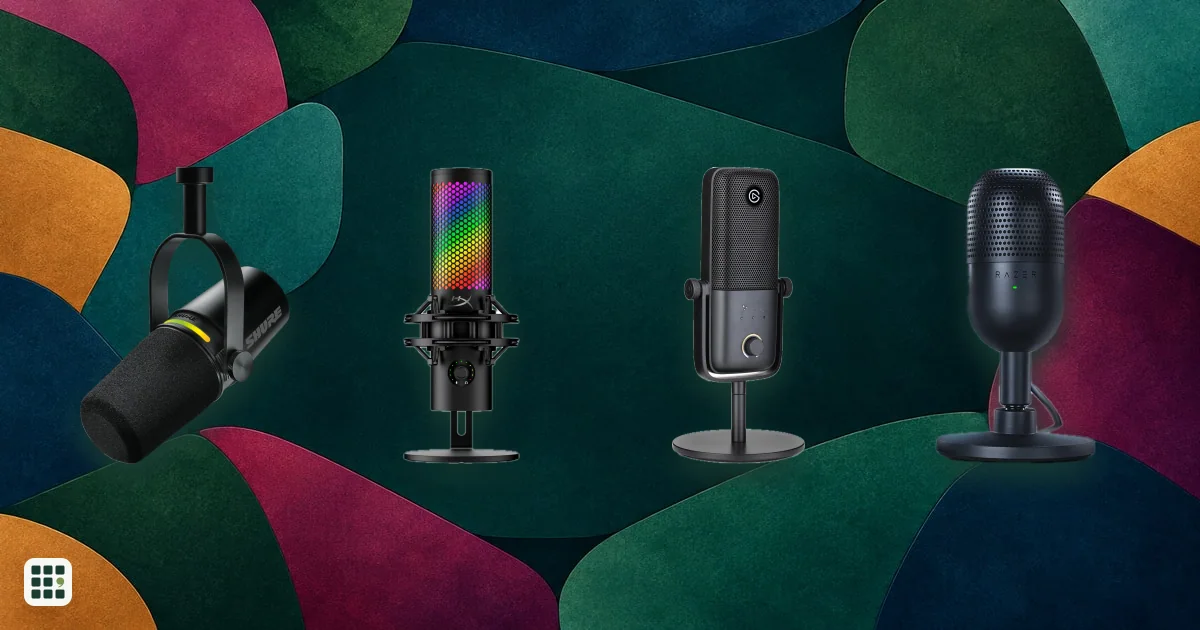
USB microphones
USB microphones compared for calls, streaming, podcasting and voiceover: Shure, RØDE, Audio-Technica, Logitech G (Yeti), HyperX, Elgato, Razer and budget picks, including hybrid USB and XLR models. The choice comes down to dynamic or condenser for your room, the pickup patterns you need, monitoring and on-mic controls, and whether you want an XLR output to grow into later.
Last updated
How to choose
Dynamic or condenser
In an ordinary room with echo, a keyboard or a fan, a dynamic mic used close to your mouth sounds cleaner because it picks up less of the room. Condensers capture more detail and suit quiet, treated rooms, but they also capture background noise.
Pickup patterns
- Cardioid picks up the front and rejects the back: best for one voice.
- Omni picks up all around: a round-table conversation.
- Figure-8 picks up front and back: two people facing each other.
- Stereo adds width for instruments or ambience.
Monitoring and controls
A headphone jack with zero-latency monitoring lets you hear yourself without delay. On-mic gain and a quick mute (ideally silent touch-to-mute) are handy live. Auto level and noise reduction help beginners but can sound processed.
Connections and upgrades
USB-C mics plug straight into laptops and many phones. Hybrid mics with an XLR output can later connect to an audio interface or mixer, so the mic grows with your setup.
Placement matters more than price
Position the mic a few inches from your mouth, slightly off-axis to reduce popping, and use a boom arm to keep it close without blocking your screen. A windscreen or pop filter tames plosives.
Before you buy
Check the software works on your computer, the mount fits your boom arm, and the mic works with the apps you use (Zoom, Teams, OBS, GarageBand).
Answer
Browse the table. Filter to what matters.
Use the filters below, then sign in if you want to shortlist and decide with friends.
Sign in to vote, hide products and features, and reorder.
Verified: hover a cell and click its green dot for the source Estimate: no cited source Not stated: the maker doesn't publish it
| Feature | ⠿ | ⠿ | ⠿ | ⠿ | ⠿ | ⠿ | ⠿ | ⠿ | ⠿ | ⠿ | ⠿ | ⠿ | ⠿ | ⠿ | ⠿ | ⠿ | ⠿ | ⠿ |
|---|---|---|---|---|---|---|---|---|---|---|---|---|---|---|---|---|---|---|
|
⠿
Price
|
$169
|
|||||||||||||||||
|
⠿
Capsule type
|
Condenser
|
|||||||||||||||||
|
⠿
Pickup patterns
|
Cardioid
|
|||||||||||||||||
|
⠿
Connections
|
Mini-USB (USB-A cable)
|
Micro-USB (USB-A cable)
|
||||||||||||||||
|
⠿
Bit depth and sample rate
|
24-bit/48 kHz
|
24-bit/48 kHz
|
24-bit/48 kHz
|
16-bit/48 kHz
|
24-bit/48 kHz
|
24-bit/96 kHz
|
||||||||||||
|
⠿
Headphone monitoring
|
3.5 mm jack, zero-latency
|
None
|
3.5 mm jack, zero-latency
|
None
|
None
|
|||||||||||||
|
⠿
Gain control
|
Software only
|
None listed
|
Software only
|
Gain knob, plus analog auto limiter
|
Software only
|
Software only (G HUB)
|
Software only (Synapse)
|
|||||||||||
|
⠿
Mute
|
None
|
None
|
No mute button; software keybind only
|
Mute button
|
||||||||||||||
|
⠿
Built in processing
|
None listed; no DSP or presets
|
None
|
None
|
None
|
NGENUITY software: EQ, AI noise reduction, limiter
|
|||||||||||||
|
⠿
Software app
|
None
|
|||||||||||||||||
|
⠿
Phone and tablet compatible
|
|
|
||||||||||||||||
|
⠿
Stand included
|
None (yoke mount only)
|
None (integrated swing mount)
|
||||||||||||||||
|
⠿
Mount thread
|
5/8 in
|
|||||||||||||||||
|
⠿
Weight
|
1.19 lb
|
1.98 lb
|
1.29 lb
|
0.82 lb
|
0.59 lb
|
|||||||||||||
|
⠿
RGB lighting
|
|
|
|
|
|
|
|
|
|
|
|
|
|
|||||
|
⠿
Warranty
|
2 years limited
|
2 years limited
|
2 years limited
|
Why these features matter
-
Price ($)
Good USB mics start around $50; premium models with DSP, hybrid outputs or multiple patterns run $150 to $300.
-
Capsule type
Dynamic mics reject room noise and suit untreated rooms; condensers capture more detail but also more echo and background noise.
-
Pickup patterns
Cardioid suits one voice; omni and figure-8 capture a room or two people facing each other.
-
Connections
XLR lets you upgrade to an audio interface or mixer later; USB-C works directly with laptops and many phones.
-
Bit depth and sample rate
24-bit/48 kHz is plenty for voice; 32-bit float protects against clipping if you get loud.
-
Headphone monitoring
Hearing yourself without delay helps you keep a steady distance and level.
-
Gain control
Hardware gain lets you adjust quickly; auto level helps beginners avoid clipping.
-
Mute
Quick mute is essential on calls and streams; touch mutes are silent.
-
Built in processing
Processing makes untreated rooms sound better without editing, but can sound artificial if overdone.
-
Software app
Apps add EQ, presets and firmware updates; check they run on your computer.
-
Phone and tablet compatible
Mobile compatibility lets you record podcasts or interviews on the go.
-
Stand included
A desk stand gets you started; most people later move to a boom arm for better placement.
-
Mount thread
Standard threads fit boom arms and shock mounts.
-
Weight (lb)
Heavy mics need a sturdy boom arm.
-
RGB lighting
Streamers may want lighting; it adds nothing to sound and can distract on video calls.
-
Warranty
Longer warranties cover USB ports and electronics that fail with daily use.
About the products
-
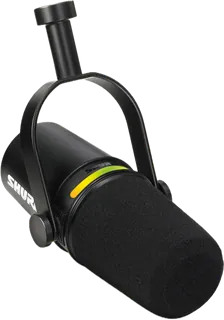
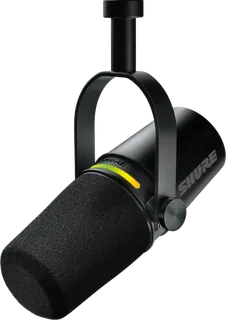
Shure MV7+ · Shure
A dynamic USB-C and XLR podcast mic with strong room-noise rejection, auto level, a real-time denoiser and a tap-to-mute LED panel. It is the priciest here and ships without a stand, so budget for a boom arm.
-
Shure MV6 Gen 2 · Shure
A compact dynamic USB-C mic for gaming, calls and streaming, with adjustable auto level, a denoiser, tap-to-mute and an included desk stand. USB only (no XLR), and gain is set by Auto Level or in the MOTIV apps rather than a knob.
-
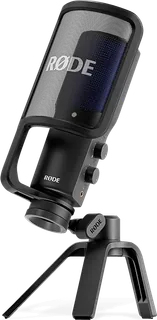
RØDE NT-USB+ · RØDE
A studio-style condenser USB-C mic with a desk stand, pop filter and zero-latency headphone output with a mix control, plus APHEX processing via RØDE's apps. Like any condenser it picks up more room sound, and there is no on-mic gain or mute.
-
PodMic USB · RØDE
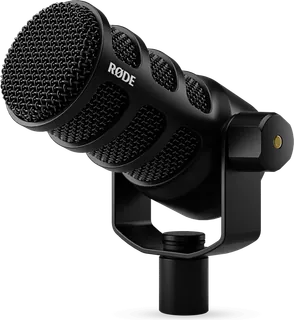
A heavy broadcast-style dynamic mic with both USB-C and XLR, APHEX processing and a five-year warranty. It has no desk stand (built for a boom arm), and gain is set in software.
-
RØDE NT-USB Mini · RØDE
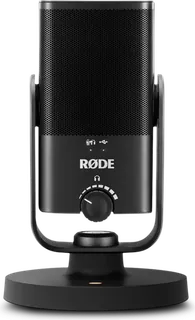
A small, simple condenser USB mic with a magnetic desk stand, built-in pop filter and zero-latency headphone output. No on-mic mute or gain, and as a condenser it hears more of your room.
-
AT2020USB-X · Audio-Technica
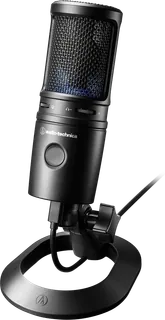
A USB-C condenser mic with 24-bit/96 kHz conversion, a silent touch mute and a headphone jack, plus a desk stand in the box. Good for voiceover and music in a quiet room; a condenser picks up more background noise than a dynamic.
-
ATR2100x-USB · Audio-Technica
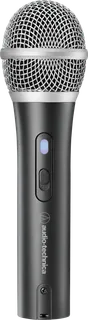
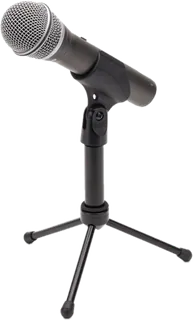
A budget handheld dynamic mic with USB-C and XLR outputs, a headphone jack and a tripod stand. No DSP or companion app, and the mute is a basic on/off switch.
-
Samson Q2U · Samson
A low-cost handheld dynamic mic with USB-C and XLR outputs, headphone monitoring, an on/off switch and a tripod stand and cables in the box. USB recording tops out at 16-bit, and there is no app or processing.
-
Sennheiser Profile USB Microphone · Sennheiser
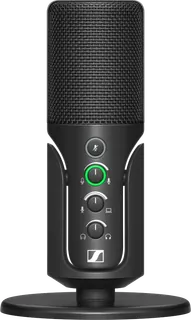
A plug-and-play condenser USB-C mic with real gain, mix and headphone-volume knobs, a soft-touch mute and a table stand. No software or onboard processing, and as a condenser it picks up more room sound.
-
Yeti · Logitech
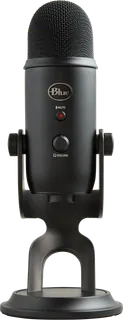
The classic three-capsule condenser with four pickup patterns, a headphone jack, gain knob and mute button on the mic. Large and heavy (about 2 lb without its stand), records at only 16-bit, and picks up room echo in untreated spaces.
-
Yeti GX · Logitech
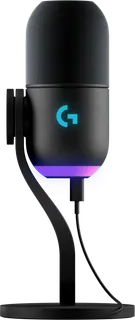
A compact dynamic mic with a tight supercardioid pattern that rejects keyboard and room noise, plus an analog limiter and two-zone RGB. Single pattern only, and Logitech lists Windows or Mac as the requirement.
-
Yeti Orb · Logitech
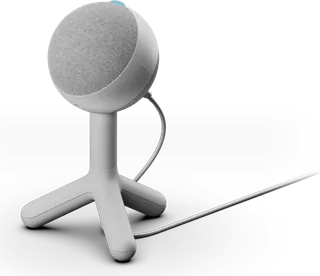
A small, inexpensive cardioid condenser with RGB lighting for gamers who just want clearer comms than a headset mic. Very few controls on the mic itself; settings and effects live in G HUB.
-
Yeti Nano · Logitech
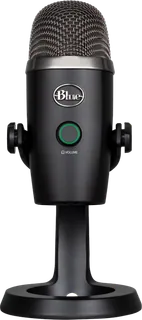
A smaller two-capsule Yeti with cardioid and omni patterns, 24-bit recording and a built-in metal stand. Suits desks without room for the full Yeti; it is still a condenser, so it hears your room.
-
QuadCast 2 S · HyperX
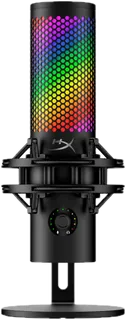
A feature-packed condenser with four patterns, 32-bit/192 kHz recording, a multifunction knob, tap-to-mute and 100+ RGB LEDs. HyperX lists PC and Mac only, and the NGENUITY app is Windows-only.
-
SoloCast 2 · HyperX
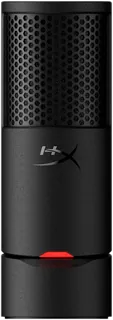
A simple, compact cardioid condenser with a built-in shock mount and pop filter, tap-to-mute and 24-bit/96 kHz recording. No headphone jack on this model (the SoloCast 2 Pro adds one).
-
Wave:3 MK.2 · Elgato
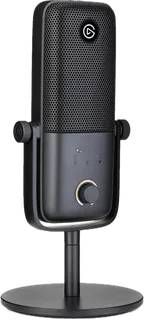
A cardioid condenser built for streamers, with Clipguard 2.0 anti-clipping, onboard DSP, Auto Gain and a dial for gain, monitor mix and headphone volume. Works with phones and tablets that support USB audio; no shock mount included.
-
Wave Neo · Elgato
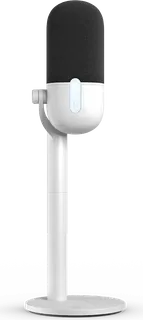
An easy plug-in cardioid condenser on a tall fixed stand, aimed at calls and meetings, with tap-to-mute and iPhone, iPad and console support. Gain is set in software only, and its headphone jack plays system audio, not your own voice.
-
Seiren V3 Mini · Razer
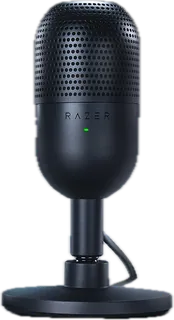
An ultra-compact supercardioid condenser with tap-to-mute and a mute status light, for gamers on a budget. Few hardware controls, and it needs a separate adapter to go on a boom arm.
Suggest a change
Related comparisons
-
 Video-call lights
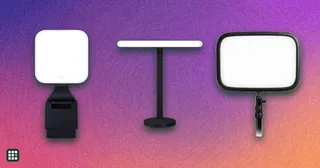
Compare lights for video calls and desk streaming, from compact laptop clips and monitor light bars to desk-clamp key lights and small ring lights. The grid focuses on the light quality, mounting, power, and controls that affect a real webcam setup.
-
 Webcams
A webcam is the camera on your calls and streams. The choice is how sharp the picture stays in ordinary room light, whether it follows you, and whether the built-in microphones are enough.
-
 Screen recording software
 captures your screen, camera and voice so you can explain, teach or document something once instead of repeating it. The big decision is whether you want a quick share-by-link recorder for teams, a full editor for polished tutorials, or a free tool that records and nothing more.
-
 Design tools
 range from collaborative interface design apps to template-driven graphic makers and free desktop illustration software. This grid compares six current picks on price, free access, collaboration, open-source and self-hosting options, and AI and developer integrations, so you can see the real trade-offs between them.
-
 Mirrorless cameras
Compare current mirrorless cameras side by side: sensor size, megapixels, stabilization, video, burst speed, battery life, weight and price. The big choices are sensor format (full frame, APS-C or Micro Four Thirds), the lens system you are buying into, and whether you lean toward stills, video or both.
-
 External SSDs
Portable external SSDs compared at 2 TB: Samsung T7 and T9, SanDisk Extreme, WD, Crucial, Kingston, LaCie, Seagate, Lexar, Sabrent and Thunderbolt/USB4 drives. Headline speeds depend on your port, so the real differences are sustained write speed on big copies, ruggedness, hardware encryption, and how long the warranty lasts.