



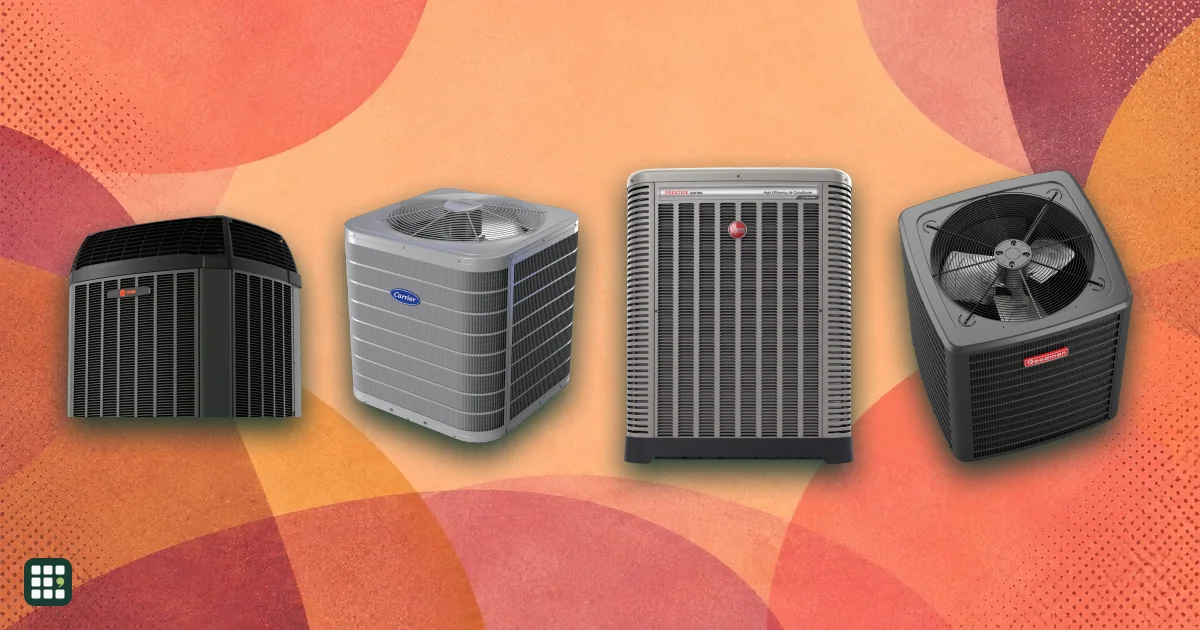
Central air conditioners
Compare current central split-system air conditioner condensers from Carrier, Trane, Lennox, Rheem, Ruud, American Standard, Bryant, Daikin, Goodman, Amana and York by matched-system efficiency, capacity, compressor type, refrigerant, sound, warranty, and controls. Ratings depend on the exact AHRI-certified indoor/outdoor match; listed maximums are not guaranteed for every match.
Last updated
How to choose
Start with a load calculation and duct evaluation from a qualified contractor; nominal tonnage alone does not size a home. Ask for the exact outdoor model, indoor coil or air handler, furnace if used, and AHRI certificate reference on the proposal. Efficiency figures are matched-system maximums, and a different indoor match can produce different SEER2/EER2.
Compare compressor staging and the lowest quoted sound level for comfort, then confirm refrigerant compatibility: current units use R-454B (most brands) or R-32 (Daikin, Goodman, Amana), and either one needs matched indoor equipment rated for that refrigerant, with leak detection, so an older R-410A coil usually can't be reused. Many brands share factories (Trane and American Standard; Carrier and Bryant; Rheem and Ruud; Daikin, Goodman and Amana), so the installer and warranty terms often matter more than the badge. Ask whether the thermostat or communicating control is included, and whether your existing indoor coil can be reused.
Installed cost is local and quote-based, so obtain comparable written bids including equipment, controls, permits, labor, warranty registration, and any duct or electrical work. Confirm registration deadlines and the exact parts, compressor, and labor coverage for the selected matched system.
Answer
Browse the table. Filter to what matters.
Use the filters below, then sign in if you want to shortlist and decide with friends.
Sign in to vote, hide products and features, and reorder.
Verified: hover a cell and click its green dot for the source Estimate: no cited source Not stated: the maker doesn't publish it
| Feature | ⠿ | ⠿ | ⠿ | ⠿ | ⠿ | ⠿ | ⠿ | ⠿ | ⠿ | ⠿ | ⠿ | ⠿ | ⠿ | ⠿ | ⠿ | ⠿ | ⠿ | ⠿ | ⠿ | ⠿ | ⠿ | ⠿ | ⠿ |
|---|---|---|---|---|---|---|---|---|---|---|---|---|---|---|---|---|---|---|---|---|---|---|---|
|
⠿
Installed equipment price
|
|||||||||||||||||||||||
|
⠿
Matched system efficiency
|
|||||||||||||||||||||||
|
⠿
Nominal capacity range
|
|||||||||||||||||||||||
|
⠿
Compressor operation
|
|||||||||||||||||||||||
|
⠿
Refrigerant
|
|||||||||||||||||||||||
|
⠿
Lowest quoted outdoor sound
|
71 dB minimum (sound power)
|
||||||||||||||||||||||
|
⠿
Warranty and registration
|
10-year parts registered (5 years if not registered); register within 60 days
|
||||||||||||||||||||||
|
⠿
Indoor equipment match
|
R-454B-rated indoor coil or air handler
|
R-454B-rated indoor coil or air handler
|
R-454B-rated York indoor coil or air handler; TXV kit where required
|
||||||||||||||||||||
|
⠿
Controls and connectivity
|
Standard 24V thermostat (not a Link communicating model)
|
Standard 24V thermostat (not a Link communicating model)
|
Standard 24V thermostat; not communicating
|
||||||||||||||||||||
|
⠿
Current availability
|




Why these features matter
-
Installed equipment price ($)
Request itemized installed bids; equipment-only list prices do not reflect labor, controls, or duct work.
-
Matched system efficiency
Higher matched-system efficiency may reduce cooling use, but depends on local climate, sizing, installation, and usage.
-
Nominal capacity range (BTU/h)
A load calculation matters more than selecting the largest nominal unit.
-
Compressor operation
Variable capacity can match load more closely; single-stage units run at full capacity whenever on.
- Variable-speed
- : The compressor ramps up and down in small steps to match the load. Quietest, steadiest temperatures and best dehumidification, but the priciest and often needs the maker's own controls.
- Two-stage
- : Runs on a low stage most of the time and a high stage on hot days. Longer, quieter cycles and better humidity control than single-stage for a moderate price step.
- Single-stage
- : Runs at full output whenever it is on. Cheapest and simplest, but louder and less effective at removing humidity.
-
Refrigerant
Refrigerant compatibility affects the indoor coil, service tools, leak detection, and future service.
- R-454B
- : The low-GWP refrigerant most US brands switched to in 2025. Needs indoor equipment rated for it, with leak detection.
- R-32
- : The low-GWP refrigerant used by Daikin, Goodman and Amana. Also needs a matched indoor unit rated for it; technicians service it with different tools than R-454B.
-
Lowest quoted outdoor sound (dB)
Outdoor sound matters near bedrooms and property lines; compare quoted minima cautiously.
-
Warranty and registration
Compare parts, compressor, unit replacement, and labor coverage, including registration requirements.
-
Indoor equipment match
The indoor match changes capacity and efficiency; insist on model numbers and AHRI certificate in the bid.
-
Controls and connectivity
Communicating controls may enable extra comfort features but can add equipment cost or limit thermostat choice.
- Communicating
- : The thermostat, indoor unit and outdoor unit talk to each other for setup, fine-tuned speeds and diagnostics. Usually locks you into the maker's own thermostat.
- Standard thermostat
- : Works with an ordinary 24V thermostat, including most smart thermostats. Simpler and cheaper to replace, with fewer diagnostics.
-
Current availability
A current lineup listing helps distinguish currently offered models from clearance or legacy condensers.
About the products
-
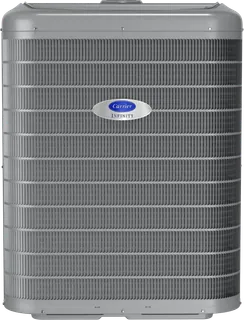
Carrier Infinity 21 26VNA1 · Carrier
Carrier Infinity 21 26VNA1, a current US split-system outdoor air-conditioner condenser. System performance depends on the selected approved indoor match.
-
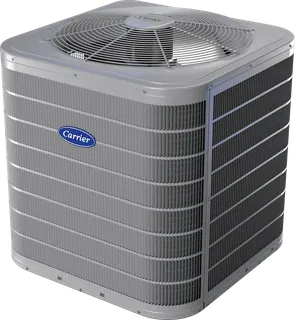
Carrier Performance 18 26TPA8 · Carrier
Carrier Performance 18 26TPA8, a current US split-system outdoor air-conditioner condenser. System performance depends on the selected approved indoor match.
-
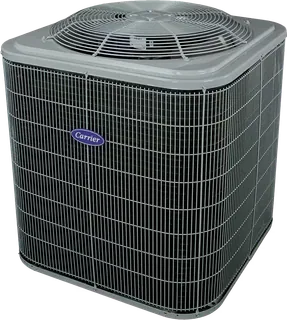
Carrier Comfort 16 26SCA5 · Carrier
Carrier Comfort 16 26SCA5, a current US split-system outdoor air-conditioner condenser. System performance depends on the selected approved indoor match.
-
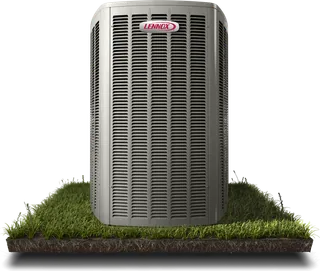
Lennox Elite EL18KCV · Lennox
Lennox Elite EL18KCV, a current US split-system outdoor air-conditioner condenser. System performance depends on the selected approved indoor match.
-
Lennox Elite EL16KC1 · Lennox
Lennox Elite EL16KC1, a current US split-system outdoor air-conditioner condenser. System performance depends on the selected approved indoor match.
-
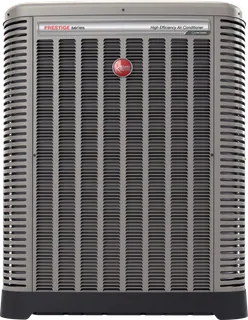
Rheem Endeavor Prestige RA19AY · Rheem
Rheem Endeavor Prestige RA19AY, a current US split-system outdoor air-conditioner condenser. System performance depends on the selected approved indoor match.
-
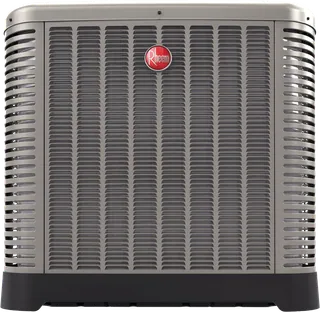
Rheem Endeavor Classic Plus RA16AY · Rheem
Rheem Endeavor Classic Plus RA16AY, a current US split-system outdoor air-conditioner condenser. System performance depends on the selected approved indoor match.
-
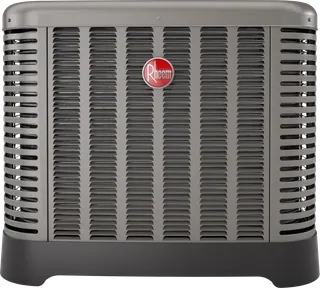
Rheem Endeavor Classic RA15AY · Rheem
Rheem Endeavor Classic RA15AY, a current US split-system outdoor air-conditioner condenser. System performance depends on the selected approved indoor match.
-
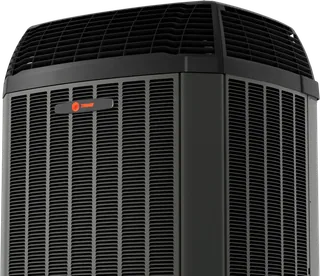
Trane 20 TruComfort 5TTV0 · Trane
Trane's top variable-speed condenser (sold as XV20i before the R-454B change), modulating from 30% to 100% for steady, quiet cooling. Needs Trane's Link communicating controller and thermostat for its full features.
-
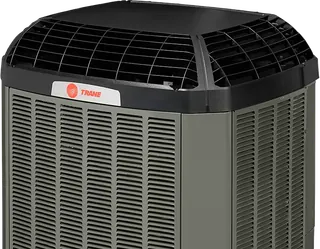
Trane 16 Single-Stage 5TTX6 · Trane
Trane's entry single-stage condenser with a WeatherGuard top, up to 17 SEER2 on R-454B. A simple one-speed unit that works with a standard thermostat.
-
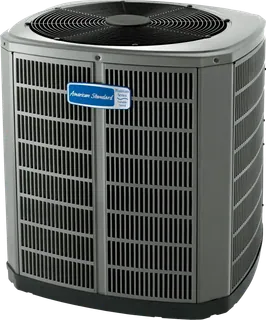
American Standard Platinum 20 · American Standard
American Standard's top AccuComfort variable-speed condenser, modulating from 30% to 100%. Requires the UX360 thermostat and system controller, which adds cost but unlocks the communicating features.
-
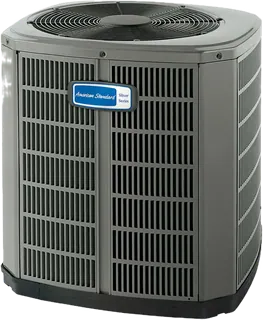
American Standard Silver 14 · American Standard
American Standard's budget single-stage condenser, up to 14.3 SEER2, just above the federal minimum. Not ENERGY STAR rated, so it can miss efficiency rebates.
-
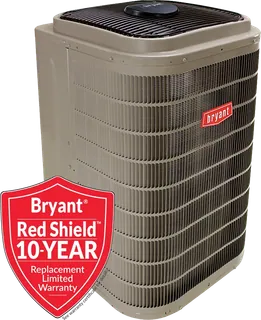
Bryant Evolution Extreme 191VAN · Bryant
Bryant's variable-speed Evolution condenser, running down to 25% capacity for quiet, dehumidifying low-speed cooling. Full features need the Evolution Connex control.
-
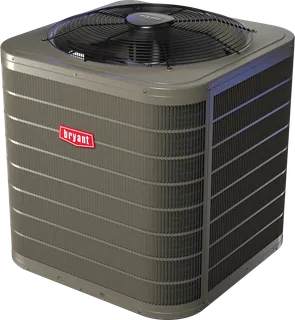
Bryant Preferred 148TAN · Bryant
Bryant's mid-range two-stage condenser: a low stage for long, even, humidity-controlling cycles, up to 18 SEER2. Pairs with the ecobee for Bryant thermostat.
-
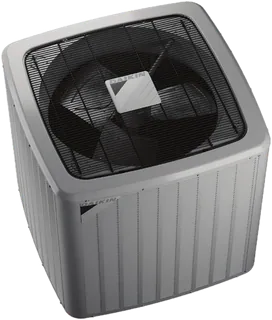
Daikin Fit DC9VS · Daikin Comfort
Daikin's compact side-discharge Fit condenser with an inverter compressor, up to 19 SEER2 on R-32. Its quiet mode is among the lowest sound figures quoted, and it carries a 12-year unit replacement warranty when registered.
-
Daikin DC7TC · Daikin Comfort
Daikin's two-stage communicating condenser, up to 17.2 SEER2 on R-32, a step down from the inverter Fit for buyers who want two-stage comfort with a long warranty.
-
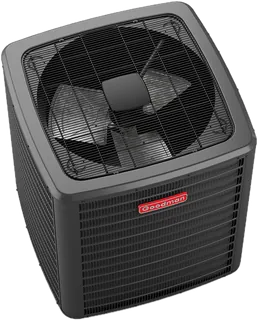
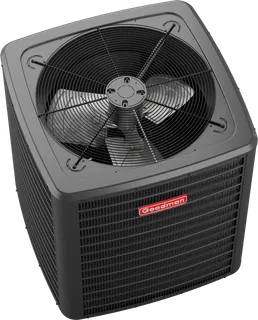
Goodman GXV9S · Goodman
Goodman's inverter variable-speed condenser, up to 19 SEER2 on R-32 with a quiet mode down to 45 dBA. Goodman sells through installers with no list price, usually below the premium brands.
-
Goodman GLXS3B · Goodman
Goodman's value single-stage condenser, up to 15 SEER2 on R-32 in 1.5 to 5 tons. A basic thermostat-wired unit for buyers who want the lowest upfront cost.
-
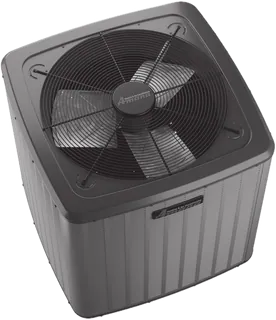
Amana S-Series AXV9S · Amana
Amana's inverter variable-speed condenser, up to 19 SEER2 on R-32, with a 10-year unit replacement warranty when registered. Pairs with Amana's communicating AHVE air handler.
-
Amana ALXS4B · Amana
Amana's mainstream single-stage condenser, up to 15.2 SEER2 on R-32 in 1.5 to 5 tons, with Copeland CoreSense compressor diagnostics.
-
Ruud Endeavor Ultra UA19AY · Ruud
Ruud's inverter variable-speed condenser (sister to Rheem's RA19AY), 40% to 100% capacity, up to 20 SEER2 / 13 EER2 on R-454B. EcoNet sets up and monitors the system.
-
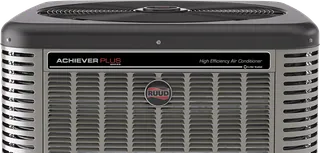
Ruud Endeavor Achiever Plus UA16AY · Ruud
Ruud's two-stage condenser, up to 17 SEER2 / 12 EER2 on R-454B, that works with any 24V thermostat, so it suits a simple upgrade without new controls.
-
York YC6 · York
York's mainstream R-454B condenser, up to 17 SEER2 / 13.5 EER2, two-stage on 2 to 5 ton sizes and ENERGY STAR rated. Uses a conventional thermostat, so no communicating controls are needed.
Suggest a change
Related comparisons
-
 Dehumidifiers
Compare portable dehumidifiers by water-removal rating, maker-stated room coverage, drainage, and warranty. A built-in pump can send water up to a sink or window drain, while gravity-drain models need the outlet below the unit; the maker's square-foot estimates vary and can conflict within a product page.
-
 Air conditioners
Compare window and portable room air conditioners by cooling capacity, the area makers say they cover, low-speed noise, and smart controls. Portable units have lower DOE/SACC ratings than their older ASHRAE figures, so compare ratings on the same basis and treat room-size claims as starting points rather than guarantees.
-
 Air purifiers
 pull dust, pollen, pet dander, smoke and odors out of the air in one room. The choice comes down to how big the room is, how loud the fan gets while you sleep, what the replacement filters cost each year, and whether you want app control or a plain dial.
-
 Radon detectors
Radon is an odorless radioactive gas that seeps up from the ground and is the leading cause of lung cancer among non-smokers. A continuous radon detector (or radon monitor) measures it day after day, so you see your real long-term average instead of one short test. The main choices: how quickly readings settle, whether there's a screen, battery or plug-in power, Wi-Fi or Bluetooth, extra air quality sensors, and whether anyone independent has checked the accuracy.
-
 Air quality monitors
Indoor air quality monitors measure what you can't see or smell: CO2 that builds up in closed rooms, fine dust, chemical fumes and, on a few models, radon. They don't clean the air; they tell you when to open a window, run a purifier or test further. The real choice is which pollutants you need to track, and whether you want a screen, batteries, Wi-Fi, or a paid plan.
-
 Ceiling fans
Compare ceiling fans from budget pull-chain models to quiet smart DC fans and large-room fans: price, blade span, airflow, efficiency, motor type, lights, controls, smart home support and wet or damp ratings. The real trade-offs are cost against quietness and efficiency (AC versus DC motors), the size of fan your room needs, and where it can safely go (indoors, a bathroom, or an open porch).