



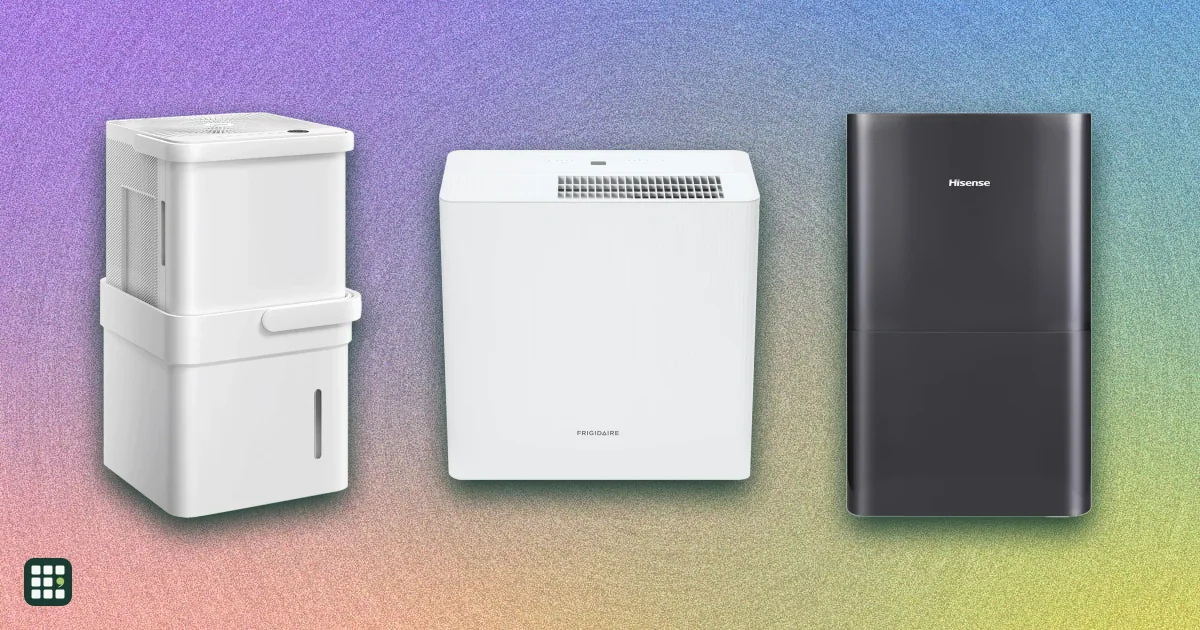
Dehumidifiers
Compare portable dehumidifiers by water-removal rating, maker-stated room coverage, drainage, and warranty. A built-in pump can send water up to a sink or window drain, while gravity-drain models need the outlet below the unit; the maker's square-foot estimates vary and can conflict within a product page.
Last updated
How to choose
Start with the moisture problem and the room temperature. Check for leaks or water intrusion first; a room dehumidifier manages airborne moisture but will not fix a water source. Choose capacity for the dampness and temperature conditions, and remember that the current pint-per-day rating is measured under a standardized test that differs from older labels.
Plan drainage before choosing. A collection bucket needs regular emptying. A gravity hose needs a lower drain, while a built-in pump can lift water to a sink or window, subject to its hose length and height limit. Check the bucket size and drain-hose setup in the manual if emptying frequency matters.
Treat each manufacturer's square-foot coverage as a rough guide: moisture load, temperature, room layout, and whether doors stay open change the result. Compare the warranty, low-temperature operating range, energy label, humidity controls, and current price. If the unit will be in a bedroom or living space, look for a measured noise rating from a consistent test rather than relying only on words such as quiet.
Answer
Browse the table. Filter to what matters.
Use the filters below, then sign in if you want to shortlist and decide with friends.
Sign in to vote, hide products and features, and reorder.
Verified: hover a cell and click its green dot for the source Estimate: no cited source Not stated: the maker doesn't publish it
| Feature | ⠿ | ⠿ | ⠿ | ⠿ | ⠿ |
⠿
Discontinued
|
⠿ | ⠿ | ⠿ | ⠿ | ⠿ | ⠿ | ⠿ | ⠿ | ⠿ | ⠿ | ⠿ |
|---|---|---|---|---|---|---|---|---|---|---|---|---|---|---|---|---|---|
|
⠿
Price
|
Doesn't apply
|
Doesn't apply
|
Doesn't apply
|
Doesn't apply
|
|||||||||||||
|
⠿
Water removal capacity
|
|||||||||||||||||
|
⠿
Maker rated room coverage
|
|||||||||||||||||
|
⠿
Built in drain pump
|
|
|
|
|
|||||||||||||
|
⠿
Smart app control
|
|
|
|
|
|||||||||||||
|
⠿
Warranty length
|
1 years, limited warranty
|
1 years, estimate; check written GE terms
|
|||||||||||||||
|
⠿
Bucket capacity
|
Doesn't apply
|
||||||||||||||||
|
⠿
Continuous drain option
|
|||||||||||||||||
|
⠿
Energy Star certified
|
|
||||||||||||||||
|
⠿
Weight
|
|||||||||||||||||
|
⠿
Noise level
|
|||||||||||||||||
|
⠿
Refrigerant
|
|||||||||||||||||
|
⠿
Auto restart
|
|
||||||||||||||||
|
⠿
Wheels or casters
|
|

Why these features matter
-
Price ($)
Bigger-capacity and pump models cost more but suit wet basements; a 20-pint unit is enough for a small, damp room. Energy use over a humid season can outweigh a small price gap.
-
Water removal capacity (pints per day)
Higher capacity can remove moisture faster in damp spaces, but conditions and old-versus-current rating methods affect what the number means.
-
Maker rated room coverage (sq ft)
Coverage is a rough sizing aid. Temperature, moisture load, room layout, and open doors can change the capacity needed.
-
Built in drain pump
A pump can send water to a sink or window when no lower floor drain is nearby. Gravity-drain models need a lower outlet or regular bucket emptying.
-
Smart app control
App controls allow remote humidity changes and schedules, but add Wi-Fi setup and account requirements. Physical controls still matter for simple operation.
-
Warranty length (years)
Warranty coverage and claim process can matter for an appliance that may run for long periods, but the written terms and exclusions are as important as duration.
-
Bucket capacity (pints)
A bigger bucket means fewer trips to empty it, which matters most when you can't use a hose or pump.
-
Continuous drain option
Continuous draining lets a unit run unattended in a basement; without it you empty the bucket every day or two in humid weather.
-
Energy Star certified
Certified models use less electricity per pint, which adds up over months of running.
-
Weight (lb)
Heavier units are harder to carry up stairs; most rolling units matter less.
-
Noise level (dBA)
A lower number is easier to live with in a finished room or near a bedroom.
-
Refrigerant
Newer R32 units have a lower global-warming impact; R410A is the older standard.
-
Auto restart
A unit that restarts itself keeps a basement dry after an outage while you are away.
-
Wheels or casters
Wheels make moving a 40 lb unit between rooms or cleaning around it far easier.
About the products
-
Cube 20 Pint MAD20S1QWT · Midea
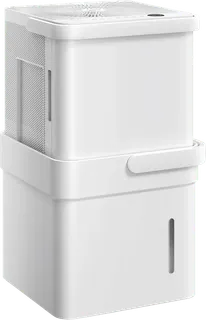
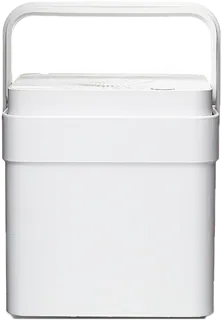
A compact smart Cube model for smaller spaces, with a nested storage mode, continuous hose drainage, and no built-in pump.
-
Cube 50 Pint MAD50S1QWT-A · Midea
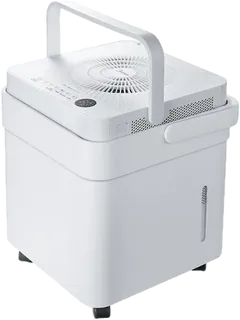
A large-capacity Cube model with app control and continuous gravity drainage; it has no built-in pump, so the drain must be below the unit.
-
Cube 50 Pint with Pump MAD50PE1QWT-B · Midea
A 50-pint Cube with a built-in pump for sending water upward to a window or sink, plus app and voice control.
-
Frigidaire 50 Pint Built-In Pump FHDP5033Y1 · Frigidaire
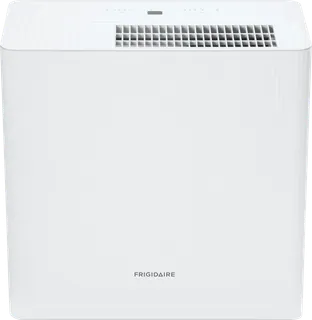
A Wi-Fi connected 50-pint unit with an upward-draining pump, continuous drain option, and low-temperature operation down to 41°F.
-
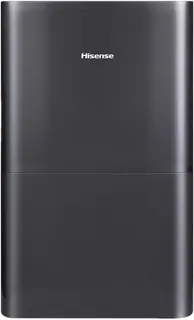
Hisense 50 Pint Built-In Pump DH5026KP1G · Hisense
A 50-pint Energy Star unit with a built-in pump, operation down to 38°F, and a two-year parts-and-labor warranty.
-
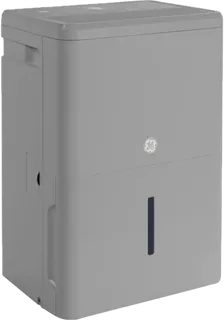
GE 50 Pint Built-In Pump APHR50LB · GE Appliances · Discontinued
A discontinued 50-pint Energy Star model with pump drainage and SmartHQ Wi-Fi; GE still lists it for clearance, so remaining-stock availability may vary.
-
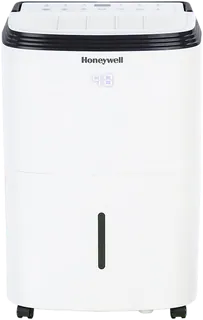
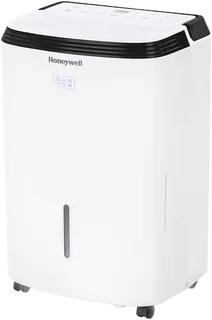
Smart Wi-Fi 50 Pint TP50AWKN · Honeywell · Discontinued
Wi-Fi and Alexa-controlled 50-pint (2019 DOE) unit for rooms to 3,000 sq ft, with a small 7-pint bucket, a continuous-drain hose and a 5-year warranty; no built-in pump.
-
50 Pint TP50WKN · Honeywell · Discontinued
Basic 50-pint (2019 DOE) Energy Star unit for rooms to 3,000 sq ft with a small 7-pint bucket and hose drain; no Wi-Fi or pump.
-
PuriCare 50 Pint UD501KOG5 · LG · Discontinued
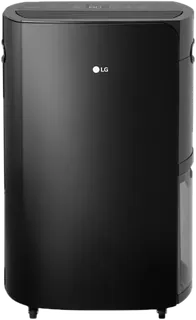
LG's 50-pint basement unit with a 13.3-pint side-loading bucket, external drain connector and easy-roll casters; no pump or Wi-Fi.
-
Cube 35 Pint MAD35S1QWT · Midea
Mid-size Cube with app and voice control, a hose for continuous drainage, and a nested mode for storage; no built-in pump.
-
EasyDry 50 Pint MAD50C1AWS · Midea
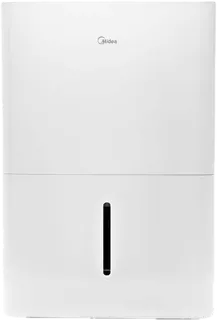
Lowest-priced 50-pint Midea with a built-in timer and four wheels; no app control and no pump.
-
SmartDry 50 Pint with Pump MAD50PS1WBL · Midea
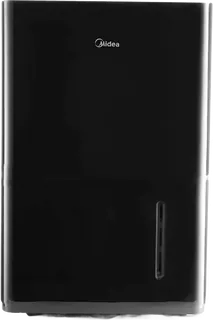
50-pint Energy Star unit with a built-in pump that drains upward into a sink or out a window, app control and four wheels.
-
Sentinel HDi65S · AlorAir
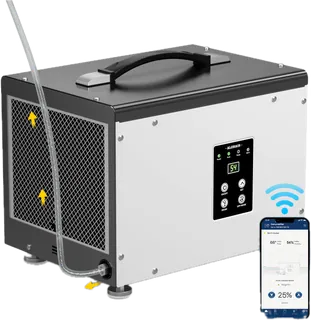
Compact heavy-duty unit sold for basements, crawl spaces and water-damage drying: 120 pints per day at saturation, gravity or pump drainage and no bucket, but priced far above household models.
-
50 Pint Wi-Fi with Pump HME031004N · hOmeLabs
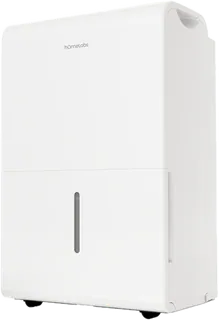
A Wi-Fi 50-pint unit with a built-in pump for continuous draining, Turbo mode, and wheels; the pricier of hOmeLabs' two 50-pint models.
-
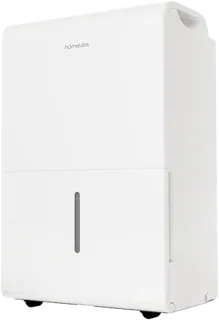
50 Pint Wi-Fi HME031003N · hOmeLabs
A Wi-Fi 50-pint unit that is Energy Star certified and drains by hose into a floor drain or by bucket; no pump, so it is cheaper than the pump model.
-
32 Pint Wi-Fi HME010089N · hOmeLabs
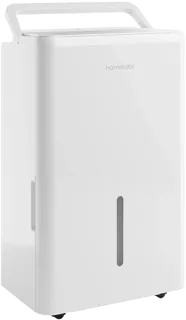
A mid-size Wi-Fi 32-pint unit with a 1-gallon tank and a quiet 49 dB rating, for bedrooms, basements, and offices up to 4,500 sq ft.
-
32 Pint T32DC9R · TCL
A compact Energy Star 32-pint unit with a bucket or gravity-drain hose and low-temperature operation down to 41°F; no pump or app control listed.
Suggest a change
Related comparisons
-
 Air purifiers
 pull dust, pollen, pet dander, smoke and odors out of the air in one room. The choice comes down to how big the room is, how loud the fan gets while you sleep, what the replacement filters cost each year, and whether you want app control or a plain dial.
-
 Central air conditioners
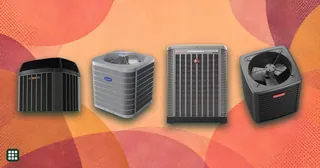
Compare current central split-system air conditioner condensers from Carrier, Trane, Lennox, Rheem, Ruud, American Standard, Bryant, Daikin, Goodman, Amana and York by matched-system efficiency, capacity, compressor type, refrigerant, sound, warranty, and controls. Ratings depend on the exact AHRI-certified indoor/outdoor match; listed maximums are not guaranteed for every match.
-
 Air conditioners
Compare window and portable room air conditioners by cooling capacity, the area makers say they cover, low-speed noise, and smart controls. Portable units have lower DOE/SACC ratings than their older ASHRAE figures, so compare ratings on the same basis and treat room-size claims as starting points rather than guarantees.
-
 Radon detectors
Radon is an odorless radioactive gas that seeps up from the ground and is the leading cause of lung cancer among non-smokers. A continuous radon detector (or radon monitor) measures it day after day, so you see your real long-term average instead of one short test. The main choices: how quickly readings settle, whether there's a screen, battery or plug-in power, Wi-Fi or Bluetooth, extra air quality sensors, and whether anyone independent has checked the accuracy.
-
 Air quality monitors
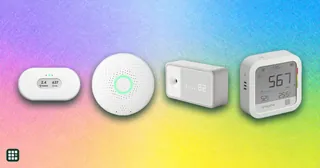
Indoor air quality monitors measure what you can't see or smell: CO2 that builds up in closed rooms, fine dust, chemical fumes and, on a few models, radon. They don't clean the air; they tell you when to open a window, run a purifier or test further. The real choice is which pollutants you need to track, and whether you want a screen, batteries, Wi-Fi, or a paid plan.
-
 Ceiling fans
Compare ceiling fans from budget pull-chain models to quiet smart DC fans and large-room fans: price, blade span, airflow, efficiency, motor type, lights, controls, smart home support and wet or damp ratings. The real trade-offs are cost against quietness and efficiency (AC versus DC motors), the size of fan your room needs, and where it can safely go (indoors, a bathroom, or an open porch).