



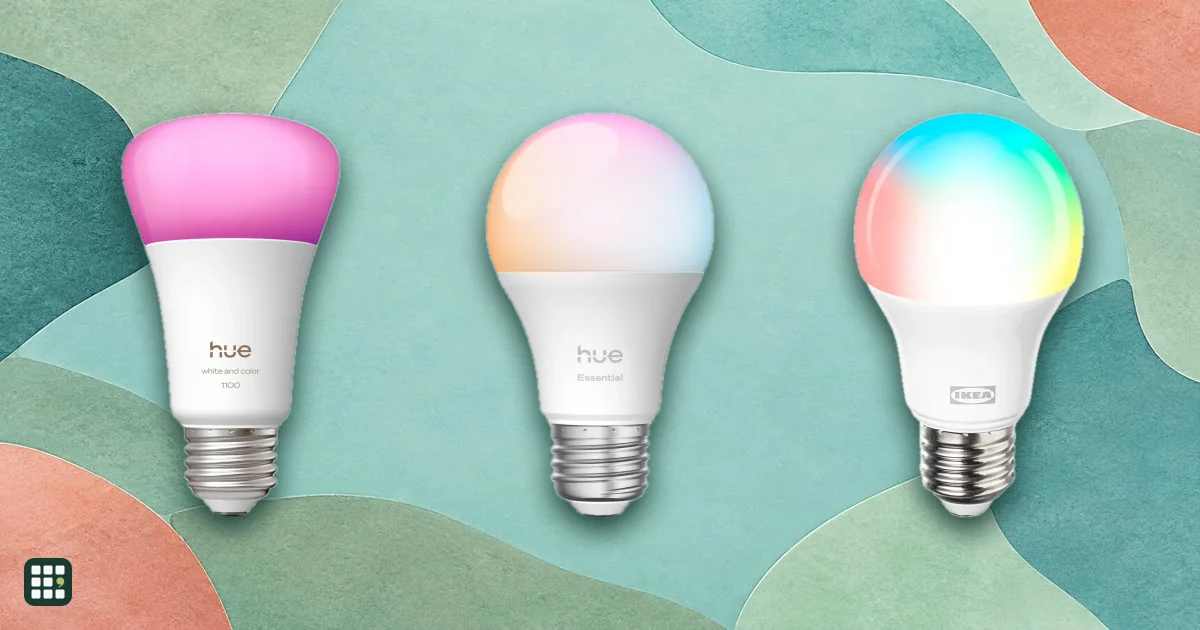
Smart bulbs
Smart bulbs screw into an ordinary lamp or fixture and let you dim, schedule and change the light from your phone or voice assistant. This grid compares standard A19 smart bulbs sold in the US, from budget Wi-Fi bulbs to premium Zigbee and Thread ones, by price per bulb, color, brightness, how they connect, and which smart home systems they work with.
Last updated
How to choose
Start with your smart home system
Check which assistant or app you already use: Alexa, Google Home, Apple Home or SmartThings. Every bulb here works with Alexa and Google, but many budget Wi-Fi bulbs skip Apple Home. A Matter bulb works with all of them and keeps working if you switch later.
Decide how it should connect
- Wi-Fi bulbs pair straight to your router with no hub. Easy for a few lamps, but 20 or more can strain a basic router, and they usually need the internet for app and voice control.
- Zigbee bulbs (like Philips Hue with its Bridge) form their own mesh. They respond quickly, stay off your Wi-Fi, and keep working on local schedules if the internet drops.
- Thread bulbs also mesh, but need a Thread border router, which many already own: a recent Apple TV 4K or HomePod mini, a Nest Hub (2nd gen), or some Echo speakers.
- Bluetooth lets you control a bulb from your phone without a hub, but only from nearby.
Pick color or white, then check brightness
Full color bulbs cost more. If you just want warm light at night and bright light by day, a tunable white bulb does it for less. Check the lumens: 800 lm is a 60 W equivalent and can look dim in a main ceiling light; look for 1100 lm or more there.
Count the full cost
Compare the price per bulb, since many are sold in 2- or 4-packs, and add any hub you would need to buy. Buying several bulbs from one brand keeps them in one app with matching colors.
Check the fixture
Most smart bulbs should not be used on a wall dimmer switch or in fully enclosed fixtures unless the maker says so; leave the switch on and dim from the app instead. If people in your home often flip the wall switch, a smart switch may suit that room better than smart bulbs.
Watch for support
Smart bulbs depend on the maker's app and servers. Brands with local control, Matter support or a long track record are a safer bet than the cheapest no-name bulb.
Answer
Browse the table. Filter to what matters.
Use the filters below, then sign in if you want to shortlist and decide with friends.
Sign in to vote, hide products and features, and reorder.
Verified: hover a cell and click its green dot for the source Estimate: no cited source Not stated: the maker doesn't publish it
| Feature | ⠿ | ⠿ | ⠿ | ⠿ | ⠿ | ⠿ | ⠿ | ⠿ | ⠿ | ⠿ | ⠿ | ⠿ | ⠿ | ⠿ | ⠿ |
|---|---|---|---|---|---|---|---|---|---|---|---|---|---|---|---|
|
⠿
Price per bulb
|
$19.99
|
$21.99
|
$13.99
|
||||||||||||
|
⠿
Light color
|
Full color
|
||||||||||||||
|
⠿
Brightness
|
|||||||||||||||
|
⠿
Color temperature range
|
2200-6500K
|
||||||||||||||
|
⠿
Wireless protocol
|
Wi-Fi or Thread (by model), Bluetooth
|
||||||||||||||
|
⠿
Hub required
|
|
|
|
|
|
||||||||||
|
⠿
Matter support
|
|
|
|
|
|
||||||||||
|
⠿
Works with Amazon Alexa
|
|
||||||||||||||
|
⠿
Works with Google Home
|
|
||||||||||||||
|
⠿
Works with Apple Home
|
|
|
|
||||||||||||
|
⠿
Power draw
|
10.5 W
|
||||||||||||||
|
⠿
Rated lifetime
|
25,000 hr
|
||||||||||||||
|
⠿
Warranty
|
|||||||||||||||
|
⠿
Color rendering index
|
|||||||||||||||
|
⠿
Music sync
|
|
|
|
|
Why these features matter
-
Price per bulb ($)
Smart bulbs run from under $10 to over $50 each, and a room needs several. Cheap Wi-Fi bulbs cover basic schedules and voice control; premium bulbs add better color, brighter output and a more reliable network.
-
Light color
Color bulbs suit living rooms, kids' rooms and TV setups; tunable white is enough for most rooms and costs less; fixed white is the cheapest way to get schedules and voice control.
-
Brightness (lm)
Many smart bulbs top out at 800 lm, which can look dim in a main ceiling fixture or reading lamp. Brightness matters less for accent and bedside lamps.
-
Color temperature range
A low end around 2000-2200K gives a candle-like evening glow; 5000-6500K is crisp daylight for work. A wider range makes one bulb fit more moods.
-
Wireless protocol
Wi-Fi bulbs connect straight to your router but can crowd it when you have dozens; Zigbee and Thread form their own mesh and respond faster but need a hub or border router; Bluetooth works from the phone without a hub but only nearby.
-
Hub required
A hub adds cost and setup but usually gives faster, more reliable control and works when the internet is down. If you already own a smart speaker or Apple TV that acts as a Thread border router or Zigbee hub, the hub may be free.
-
Matter support
Matter lets one bulb work with Apple Home, Google Home, Alexa and SmartThings at once and makes it easier to switch ecosystems later.
-
Works with Amazon Alexa
Needed for voice control and routines on Echo speakers.
-
Works with Google Home
Needed for voice control and routines on Google Nest speakers and displays.
-
Works with Apple Home
Needed for Siri control and Apple Home automations. Many cheap Wi-Fi bulbs skip it.
-
Power draw (W)
All LED smart bulbs use far less than incandescent bulbs; differences of a few watts matter little per bulb but add up across a house.
-
Rated lifetime (hr)
A longer rating suggests fewer replacements; at 3 hours a day, 25,000 hours is over 20 years.
-
Warranty (years)
Smart bulbs have electronics that can fail before the LEDs do; a longer warranty is cheap insurance on pricier bulbs.
-
Color rendering index (CRI)
CRI 90 or more makes skin, food and paint look natural; 80 is typical and fine for most rooms.
-
Music sync
A fun extra for parties and gaming setups; irrelevant for everyday lighting.
About the products
-
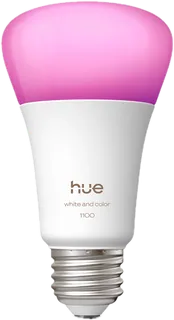
Hue White and Color Ambiance A19 (1100 lm) · Philips Hue
Hue's flagship color bulb, bright enough (1100 lumens) for a main ceiling light, with the widest white range here. Bluetooth app control works without a hub, but voice control, Matter, music sync and away-from-home control need the Hue Bridge; the priciest bulb in the grid.
-
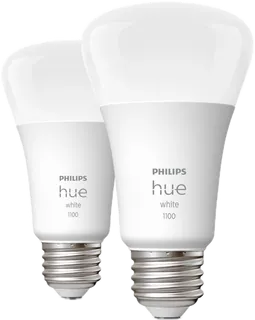
Hue White A19 · Philips Hue
Hue's basic soft-white bulb (2700K, no color or white tuning) for people who want Hue's reliable Zigbee system and schedules at a lower price. Sold as a 2-pack; voice control and Matter need the Hue Bridge.
-
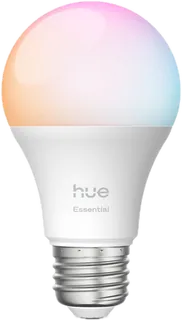
Hue Essential White and Color A19 · Philips Hue
Hue's cheaper full-color bulb: Hue's app and color range at a lower price, at 800 lumens. Works over Bluetooth without a hub, but voice control and Matter need the Hue Bridge or a third-party hub.
-
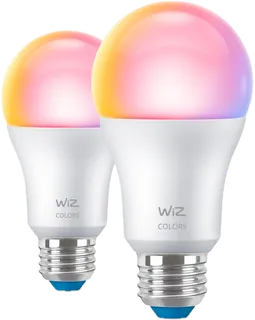
WiZ Color A19 · WiZ
A low-cost full-color Wi-Fi bulb with high CRI 90 white light and no hub. Sold on WiZ's US store as a 2-pack; no Apple Home support (Siri Shortcuts only), and Matter only through a third-party hub.
-
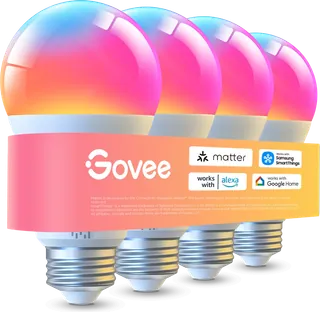
Smart A19 LED Bulb H6006 · Govee
A bright (1000 lumen), Matter-compatible color bulb at a budget price per bulb, with Govee's scene-heavy app and music sync. Wi-Fi with no hub; sold only in 2- and 4-packs, with a 1-year warranty.
-
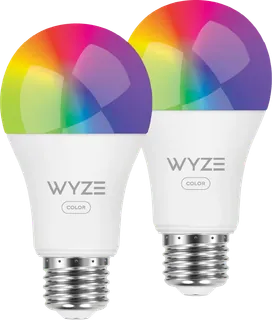
Wyze Bulb Color · Wyze
A cheap, bright (1100 lumen) color bulb with CRI 90+ and the warmest low end here (1800K). Wi-Fi with no hub, but no Apple Home or Matter support, and music sync only when grouped with a Wyze Light Strip.
-
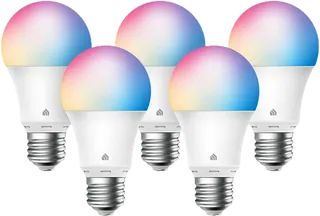
Smart Wi-Fi Bulb Multicolor KL125 · Kasa
A long-selling budget Wi-Fi color bulb with CRI 90+ white light, set up in the Kasa app with no hub. Works with Alexa and Google Assistant; no Apple Home or Matter support listed.
-
Tapo L535E · TP-Link
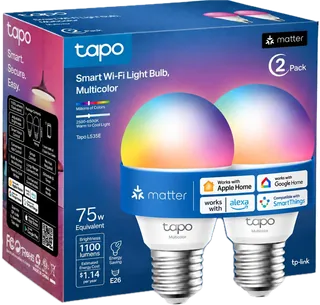
A bright (1100 lumen), Matter-certified Wi-Fi color bulb with CRI 90+, so it works with Apple Home, Google Home and Alexa without a hub. Bluetooth is for setup only.
-
KAJPLATS E26 1100 lm color and white spectrum · IKEA
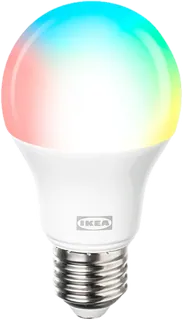
IKEA's cheap Matter-over-Thread color bulb, bright at 1100 lumens. Needs a Thread border router (IKEA's DIRIGERA hub, a recent Apple TV or HomePod mini, or a Nest hub) for app and voice control; early firmware had color bugs per buyer reviews.
-
LIFX A19 Smart Light · LIFX
A bright (1100 lumen) Wi-Fi color bulb known for saturated colors and the widest white range among Wi-Fi bulbs here (1500-9000K). No hub; sold in Matter and HomeKit versions, both working with Alexa, Google Home and Apple Home. CRI is a modest 82.
-
Smart LED Bulb (Matter A19) · Nanoleaf
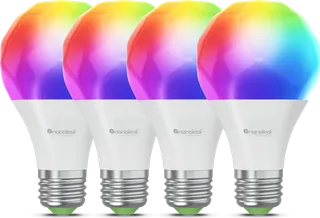
A Matter color bulb with CRI 90+ white light, sold in Matter over Wi-Fi and Matter over Thread versions; the Thread one needs a Thread border router. Works with Apple Home, Google Home, Alexa and SmartThings, and syncs with other Nanoleaf lights.
-
LED Bulb T2 · Aqara
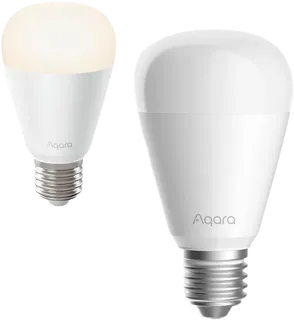
A bright, high-CRI color bulb that speaks both Matter over Thread and Zigbee, for Apple Home users with a HomePod or Apple TV, or Aqara hub owners who want its extra effects and Adaptive Lighting. Needs a Thread border router or an Aqara hub.
-
Amazon Basics Smart A19 LED Bulb, Color · Amazon
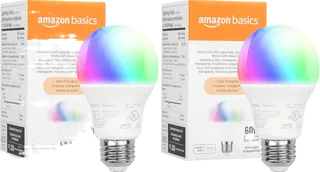
A cheap color bulb that works only with Alexa: set up in the Alexa app over 2.4 GHz Wi-Fi with no hub. No Google Home, Apple Home or Matter support, and only 16 preset colors rather than a full color picker.
-
Smart Wi-Fi Color A19 OM60/RGBW/CA/AG · Feit Electric
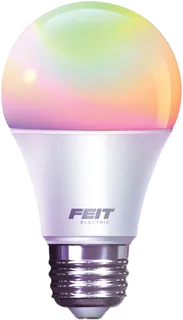
A widely stocked budget Wi-Fi color bulb with CRI 90 white light and a 3-year warranty, set up in the Feit Electric app with no hub. Works with Alexa and Google Home; no Apple Home or Matter listed.
-
Cync reveal A19 Color · GE Lighting
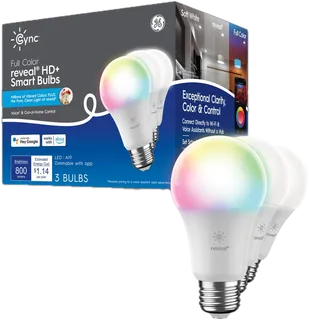
GE's Wi-Fi color bulb with reveal light for crisp whites and CRI 90, set up in the Cync app with no hub, plus a 3-year warranty. Works with Alexa and Google Home; sold as a 2-pack.
Suggest a change
Related comparisons
-
 Ceiling fans
Compare ceiling fans from budget pull-chain models to quiet smart DC fans and large-room fans: price, blade span, airflow, efficiency, motor type, lights, controls, smart home support and wet or damp ratings. The real trade-offs are cost against quietness and efficiency (AC versus DC motors), the size of fan your room needs, and where it can safely go (indoors, a bathroom, or an open porch).
-
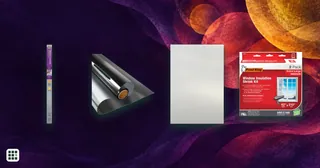 Window film
 is a thin layer you stick to glass to change what the window does: reflect heat, hide the view in, soften light, or insulate against drafts. This grid compares do-it-yourself films for home windows on price, privacy day and night, heat and UV blocked, how they attach, and whether you can take them off and reuse them.
-
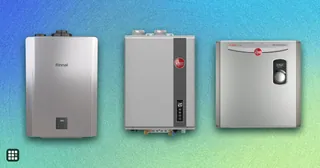 Tankless water heaters
 heat water on demand instead of storing it in a tank, so they can run longer, save space and last years longer than a tank. The decision is gas or electric, how much flow you need for the taps running at once, and what it takes to install: a gas line, a vent, or a heavy electrical circuit. This grid compares whole-house gas and electric models from Rinnai, Navien, Rheem, Stiebel Eltron and EcoSmart.
-
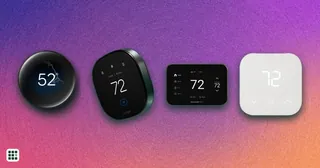 Smart thermostats
 from Google Nest, ecobee, Honeywell Home, Amazon, Sensi, and Mysa, compared on price, wiring needs, room sensors, smart-home platforms, and energy-saving features. The real choice is less about temperature control, which all of them do well, and more about whether your wiring needs a C wire, whether you want sensors to even out hot and cold rooms, and which smart-home system you use.
-
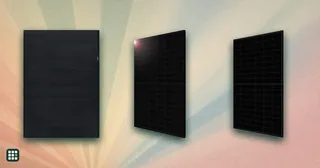 Solar panels
Compare residential solar panels by rated output, efficiency, heat performance, cell design, degradation, warranty, size, and structural load ratings. The same panel can perform differently with roof orientation, shade, inverter choice, and installation, so compare complete system proposals as well as module specifications.
-
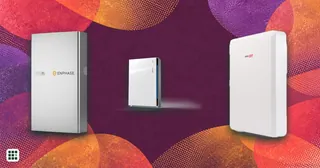 Home batteries
Compare home batteries by usable energy, continuous and peak output, efficiency, chemistry, solar compatibility, scalability, backup operation, warranty, and installation environment. Battery-only products need a compatible inverter and controls; complete system proposals also depend on home loads, solar equipment, local rules, and installer design.