



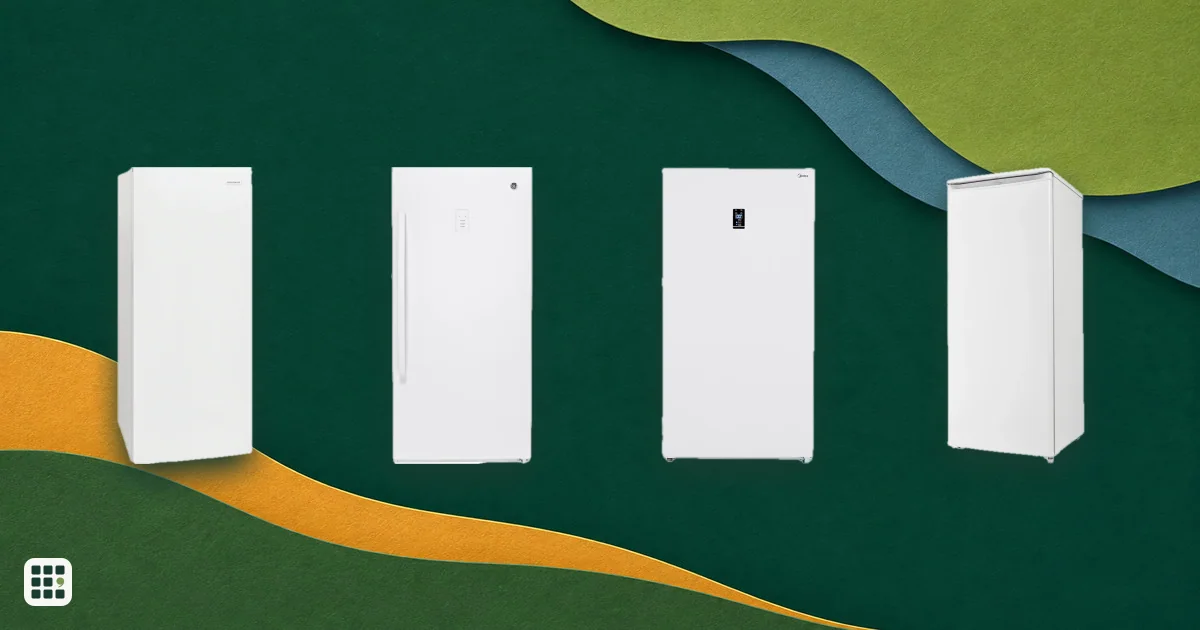
Upright freezers
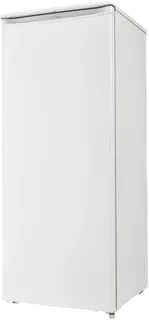
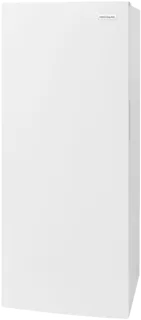
An upright freezer has shelves and a door like a refrigerator, so food is easier to find and rotate than in a chest freezer, and it fits a kitchen, garage or basement corner. The real choices are size against the floor space you have, frost-free versus manual defrost, and whether the unit can handle a garage.
Last updated
How to choose
Measure the space first, including the door swing and a few inches of air around the cabinet. Then decide how much you freeze and where the freezer will live.
Match the size to how you shop
About 3 cubic feet is a dorm or office freezer. Around 13 to 17 cubic feet is the usual family size. Past 20 cubic feet you are storing a lot of bulk food, and the cabinet gets wide.
Frost-free or manual defrost
Frost-free models never need chipping, but cost more and use more electricity. Manual defrost models are cheaper and efficient, and suit a freezer that stays closed most of the time. Plan on thawing them once or twice a year.
Garage or basement
If the freezer will sit in an unheated room, choose a model the maker calls garage ready, usually rated for about 0 F to 110 F. A kitchen-only freezer can warm up or run nonstop in extreme temperatures.
What else changes the decision
- Convertible models can run as a refrigerator. Useful if your needs change; not a reason to pay more if you only want a freezer.
- Energy use. Compare the kilowatt-hour figure among freezers of a similar size, not across sizes.
- Warranty. One year is typical. A five-year in-home warranty is a real difference on a compressor.
- Check the regular price. Several makers show a sale price much below list, so compare what it costs today.
Answer
Browse the table. Filter to what matters.
Use the filters below, then sign in if you want to shortlist and decide with friends.
Sign in to vote, hide products and features, and reorder.
Verified: hover a cell and click its green dot for the source Estimate: no cited source Not stated: the maker doesn't publish it
| Feature | ⠿ | ⠿ | ⠿ | ⠿ | ⠿ | ⠿ | ⠿ | ⠿ | ⠿ | ⠿ | ⠿ | ⠿ | ⠿ | ⠿ | ⠿ |
|---|---|---|---|---|---|---|---|---|---|---|---|---|---|---|---|
|
⠿
Price
|
|||||||||||||||
|
⠿
Capacity
|
|||||||||||||||
|
⠿
Width
|
|||||||||||||||
|
⠿
Depth
|
|||||||||||||||
|
⠿
Height
|
|||||||||||||||
|
⠿
Weight
|
|||||||||||||||
|
⠿
Defrost type
|
|||||||||||||||
|
⠿
Garage ready
|
|||||||||||||||
|
⠿
Converts to fridge
|
|
|
|
|
|
|
|
||||||||
|
⠿
Annual energy use
|
|||||||||||||||
|
⠿
Energy Star
|
|
|
|
|
|
|
|
|
|||||||
|
⠿
Warranty
|
|||||||||||||||
|
⠿
Interior light
|
Why these features matter
-
Price ($)
Freezers of different sizes cost very different amounts, so compare price per cubic foot too. A sale can be 30% off list, so check the current price.
-
Capacity (cu ft)
Capacity sets how much food fits. About 14 cu ft suits a family; 17 and up is for bulk buying. Bigger also means a wider footprint and more electricity.
-
Width (in)
Check it against the gap you have, plus clearance on the sides.
-
Depth (in)
Uprights stick out into the room by this depth; add the clearance at the back.
-
Height (in)
Matters for basements with low ceilings and for fitting under shelving.
-
Weight (lb)
A heavy freezer is harder to get down basement stairs or to level on a garage floor.
-
Defrost type
Frost-free saves chipping out ice but uses more power and costs more. Manual defrost models are cheaper to run but need an occasional thaw.
- Manual defrost
- : You thaw and wipe it out yourself once or twice a year. Cheaper and efficient; fine if the door stays closed most of the time.
-
Garage ready
Ordinary freezers can struggle or run nonstop in a hot or freezing garage.
-
Converts to fridge
Useful if your needs change or for party overflow; not a reason to choose a model if you only want a freezer.
-
Annual energy use (kWh/year)
Energy use is mostly a function of size; compare it among freezers of similar capacity.
-
Energy Star
Certified models use at least about 10% less energy than the federal standard.
-
Warranty (years)
A compressor is the part that fails. Longer coverage helps most for a freezer full of food.
-
Interior light
Handy in a dim garage or basement when you hunt for something at the bottom.
About the products
-
FFUE2022AW 20 cu ft garage-ready · Frigidaire
The biggest upright here in a 33 in wide cabinet. Frost-free, Energy Star, and rated for garages, but it is a freezer only (no fridge mode) and has a one-year warranty. Frigidaire often shows a sale price; the list price is recorded.
-
FFUE1626AW 16 cu ft convertible garage-ready · Frigidaire
A 16 cu ft frost-free upright that can switch to refrigerator temperatures. Energy Star, garage ready, and a slimmer 27.75 in cabinet than most freezers this size.
-
FFUE1326AW 13 cu ft convertible garage-ready · Frigidaire
The compact member of Frigidaire's convertible uprights: 13 cu ft, frost-free, Energy Star and garage ready. Same 27.75 in width as the 16 cu ft model with a shallower cabinet.
-
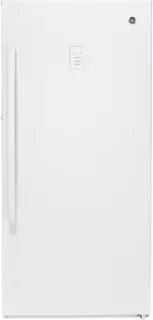
GE Energy Star 14.1 cu ft frost-free garage-ready · GE Appliances
GE's Energy Star 14.1 cu ft upright, frost-free with glass shelves, two slide-out baskets and a lock. Freezer only; the one-year warranty is standard for GE. GE often shows a sale price; the list price is recorded.
-
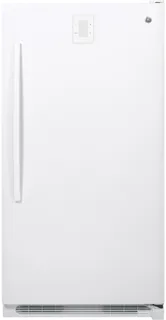
GE 14.1 cu ft frost-free garage-ready · GE Appliances
The non-Energy Star version of GE's 14.1 cu ft upright, with wire shelves and one basket. Uses about 40 kWh a year more than the Energy Star model.
-
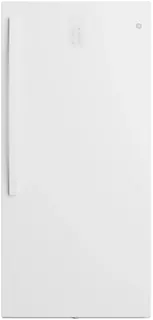
GE 17.3 cu ft frost-free garage-ready · GE Appliances
A 17.3 cu ft frost-free upright with a self-ejecting lock and a slide-out basket. Wider than most at nearly 33 in.
-
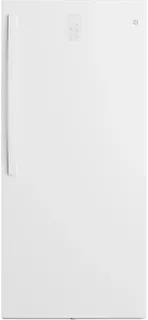
GE 14.3 cu ft convertible garage-ready · GE Appliances
GE's 14.3 cu ft convertible upright: runs as a freezer or a fridge, with glass shelves, a slide-out drawer and rollers. It is the lowest-priced full-size frost-free freezer in this grid at its regular sale price.
-
GE 17.9 cu ft convertible garage-ready · GE Appliances
A 17.9 cu ft convertible upright with the same 29.7 in cabinet as GE's 21.6 cu ft model, so it is the one to pick when width is tight.
-
GE 21.6 cu ft convertible garage-ready · GE Appliances
GE's largest upright here at 21.6 cu ft, convertible to a fridge, with glass shelves and a slide-out drawer. Uses the most electricity of the group.
-
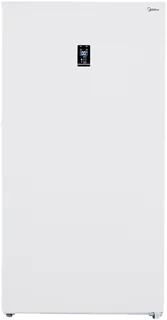
MRU17F6AWW 17 cu ft convertible · Midea
A 17 cu ft frost-free upright with fridge-or-freezer modes, a lock and key, and a two-year warranty (longer than most here).
-
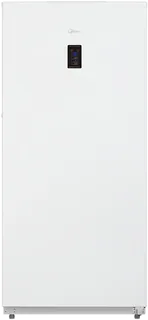
MRU14F5AWW 13.8 cu ft convertible · Midea
Sold as a 14 cu ft model; the spec table says 13.8 cu ft. Frost-free, convertible, Energy Star and quiet at 42 dBA.
-
MRU21C7BST 20 cu ft 50/50 Flex convertible · Midea
Two doors that can each be a freezer or a fridge: full freezer, full fridge, or split 50/50. Wi-Fi enabled, stainless finish and the priciest upright here.
-
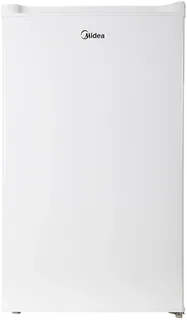
WHS-109FW1 3 cu ft compact · Midea
A 3 cu ft manual-defrost compact for a dorm, office or tight corner. The cheapest option here, with a reversible door and two wire shelves.
-
Designer 8.5 cu ft Energy Star · Danby
A narrow 24 in manual-defrost upright with a 5-year in-home parts and labor warranty and very low energy use (247 kWh a year). Reversible door and garage ready.
-
FFFU13F2VW 13 cu ft garage-ready · Frigidaire · Discontinued
Frigidaire has discontinued this 13 cu ft frost-free upright and lists no price; the convertible FFUE1326AW now covers the same size. Still found in stores and used.
Suggest a change
Related comparisons
-
 Chest freezers
A chest freezer stores bulk meat, garden produce, and stock-up groceries more efficiently than an upright, because cold air stays in when you open the lid. The real choice is size versus the wall space you have, and whether the unit can hold temperature in a garage.
-
 Solar inverters
Compare residential solar inverters by architecture, AC output, PV input, efficiency, panel optimization, battery and backup support, safety, warranty, and installation limits. Inverter sizing and compatibility must be confirmed against the solar modules, service panel, local utility rules, and installer design.
-
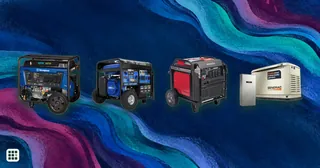 Home generators
Compare portable and permanently installed home generators by usable output, fuel options, runtime or fuel consumption, transfer setup, noise, controls, connections, warranty, and generator-only price. Portable units cost less upfront but need safe outdoor setup and a transfer switch or interlock for home circuits; standby units start automatically but require professional installation and a permanent fuel supply.
-
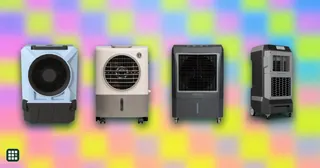 Evaporative coolers
, also called swamp coolers, cool air by blowing it through wet pads. They use a fraction of an air conditioner's power and need no window kit, but they only work well in dry heat and add humidity to the space. This grid compares portable models from bedroom towers to garage and shop units on rated coverage, airflow, tank size, water hookup, noise, smart controls and warranty.
-
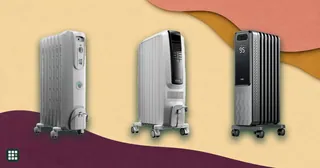 Oil-filled radiators
 warm a room slowly and quietly with sealed oil that never needs refilling. Most put out the same 1500 W, so the real choice is controls (dial or digital), timer, remote, safety features, weight and price.
-
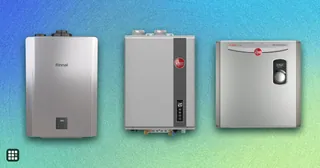 Tankless water heaters
 heat water on demand instead of storing it in a tank, so they can run longer, save space and last years longer than a tank. The decision is gas or electric, how much flow you need for the taps running at once, and what it takes to install: a gas line, a vent, or a heavy electrical circuit. This grid compares whole-house gas and electric models from Rinnai, Navien, Rheem, Stiebel Eltron and EcoSmart.