



Eye care
Contact lenses, glasses, and eye-health choices compared for comfort, cost, and daily wear.
These comparisons cover vision choices you live with every day: contact lenses, glasses, and the services that keep prescriptions up to date.
Contacts in particular trade convenience against routine and cost. Monthly lenses are cheaper per year than dailies, but they need nightly cleaning and storage. Lens material affects oxygen to the eye and comfort on long days. Toric versions for astigmatism and multifocal designs for reading vision are not available on every line, and not every lens is FDA-cleared for overnight wear. Your optometrist still has to fit you, but comparing products ahead of time helps you ask sharper questions about comfort, replacement schedule, and yearly spend.
Where to start
- Replacing lenses every month: Monthly contact lenses
-
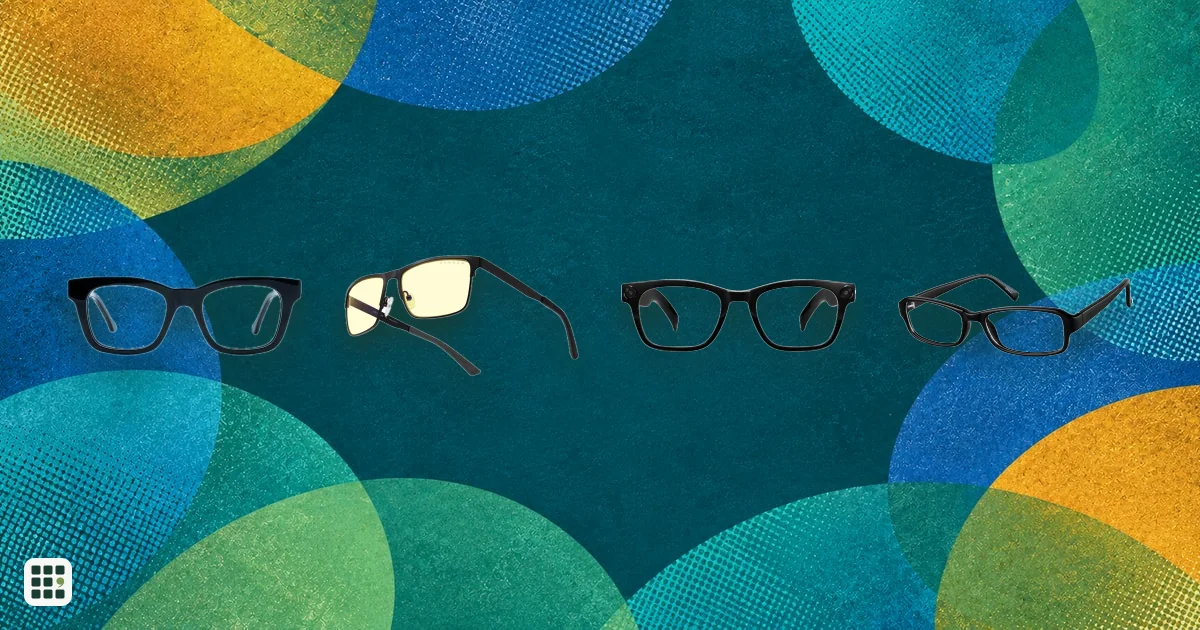 Blue-light glasses
13 products · Updated Nov 13, 2026
Blue-light glasses filter part of the blue light from screens, either with a nearly clear coating or a yellow or amber tint. They range from $20 drugstore readers to $100+ designer frames and add-ons at online glasses stores. This grid compares specialist brands, online stores' blue-light lenses and blue-light readers by price with and without a prescription, how much they say they filter, lens tint, returns and insurance. Eye doctors' groups say screens' blue light doesn't damage eyes and there's little evidence these glasses prevent eye strain, so treat them as a comfort and sleep-habit choice, not a medical one.
-
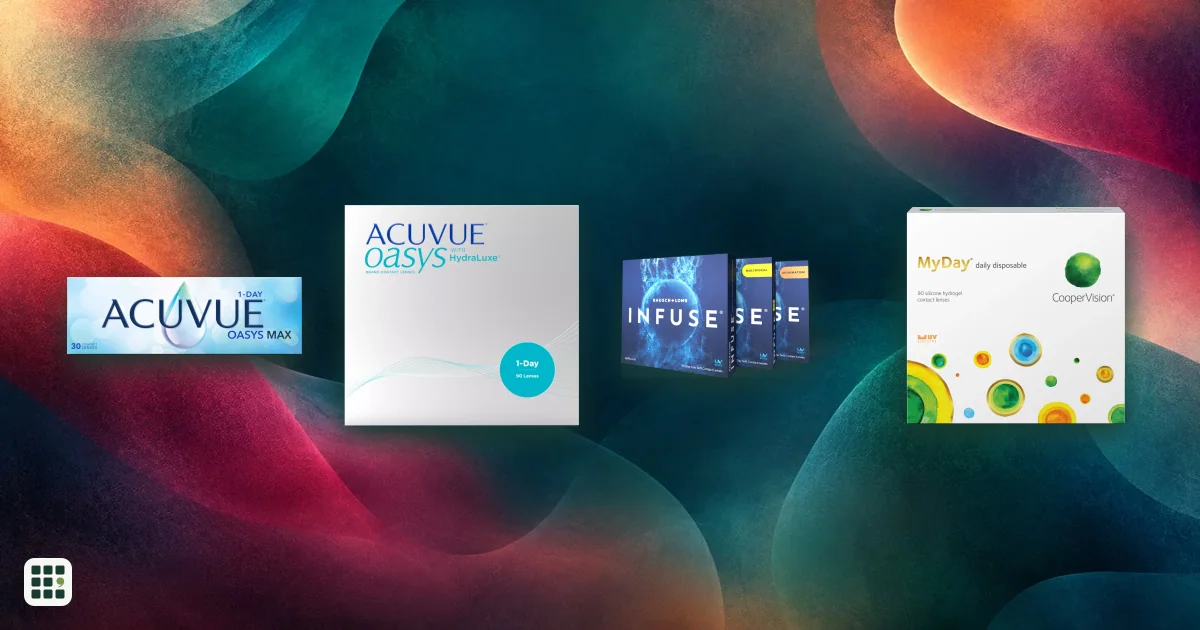 Contact lenses for dry eyes
18 products · Updated Nov 14, 2026
Dryness is the most common reason people give up contact lenses. Makers answer it in different ways: fresh daily lenses, silicone hydrogels that pass more oxygen, wetting agents and water-loving surfaces, and a few lenses cleared to claim better comfort for mildly dry eyes. This grid compares the spherical soft lenses the four big makers sell in the US with that pitch, daily and reusable, by yearly cost, material, oxygen, moisture technology and fit, so you can pick a few to try with your eye doctor.
-
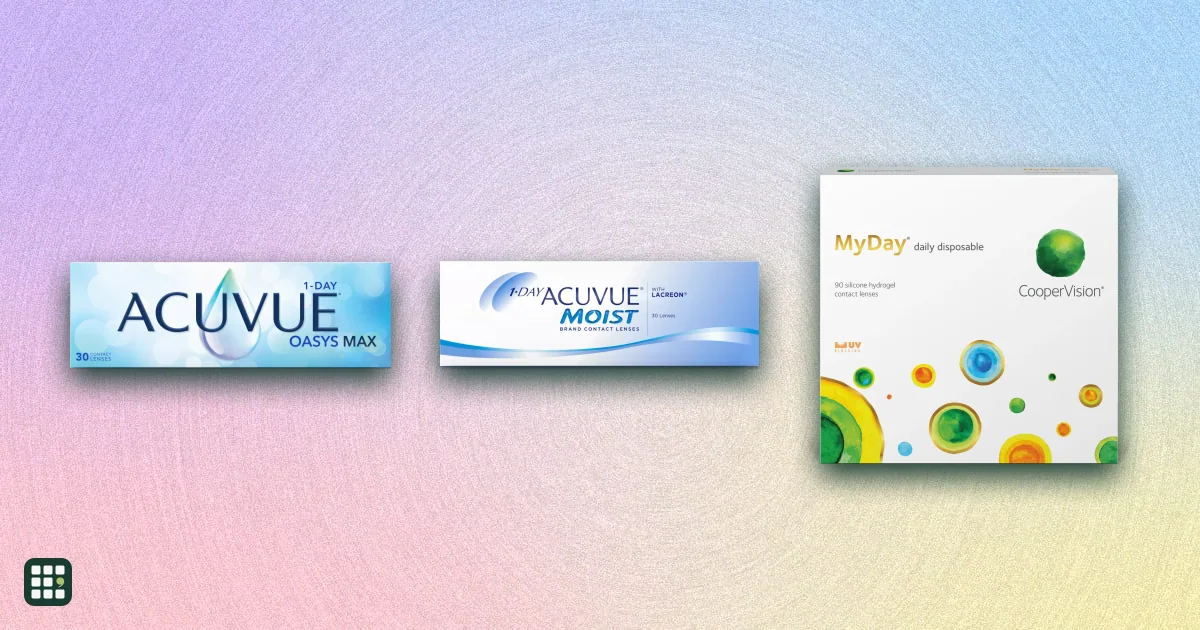 Daily contact lenses
12 products · Updated Nov 13, 2026
Compare daily disposable contact lenses from Alcon, ACUVUE, Bausch + Lomb and CooperVision. Daily lenses are thrown away every night, so there's no cleaning, but they cost more per year. The real differences are material (silicone hydrogel or hydrogel), oxygen flow, power range, whether a toric or multifocal version exists, and price.
-
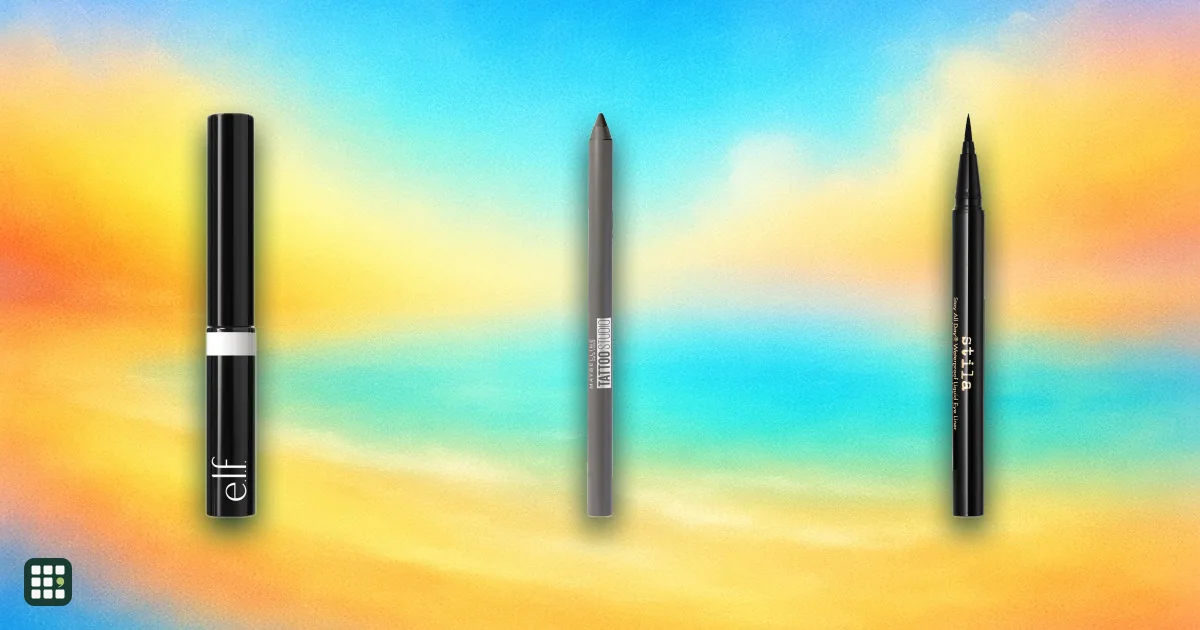 Eyeliners
10 products · Updated Nov 15, 2026
Compare liquid, felt-tip, and pencil eyeliners by price, formula format, water resistance, shade selection, and applicator design.
-
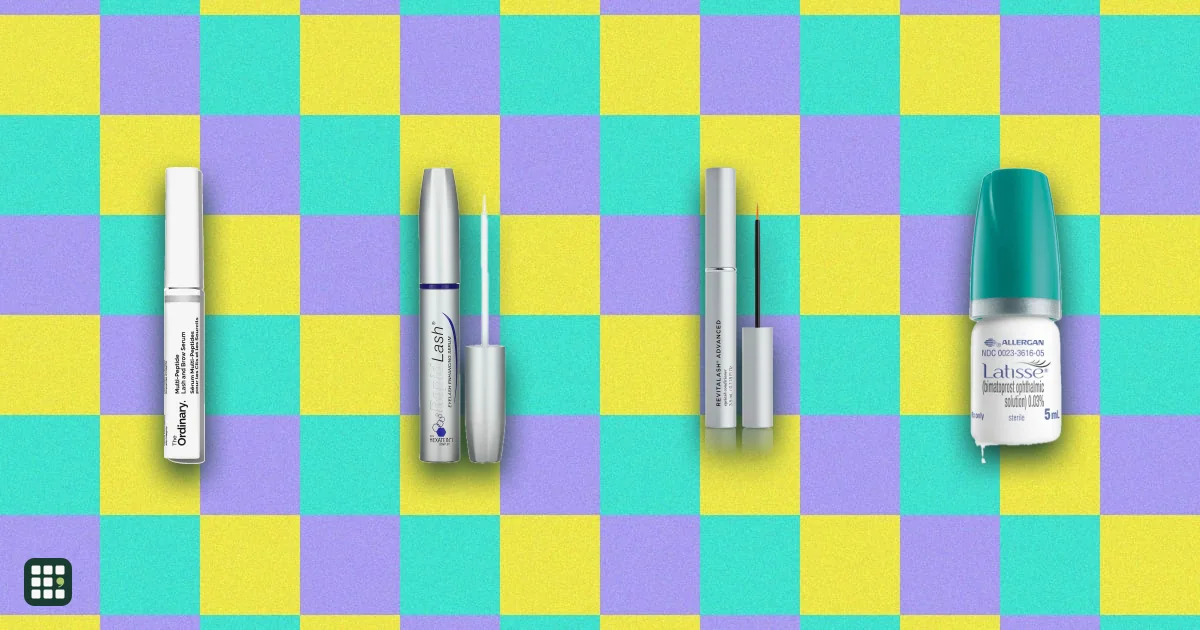 Lash serums
11 products · Updated Nov 14, 2026
Lash serums promise longer, fuller-looking lashes. Some contain a prostaglandin analog (the same family as the prescription drug Latisse), others rely on peptides and plant extracts. This comparison spans lower-cost drugstore formulas through prestige serums and a prescription treatment; the choice comes down to ingredients, risk, wait time, and ongoing cost.
-
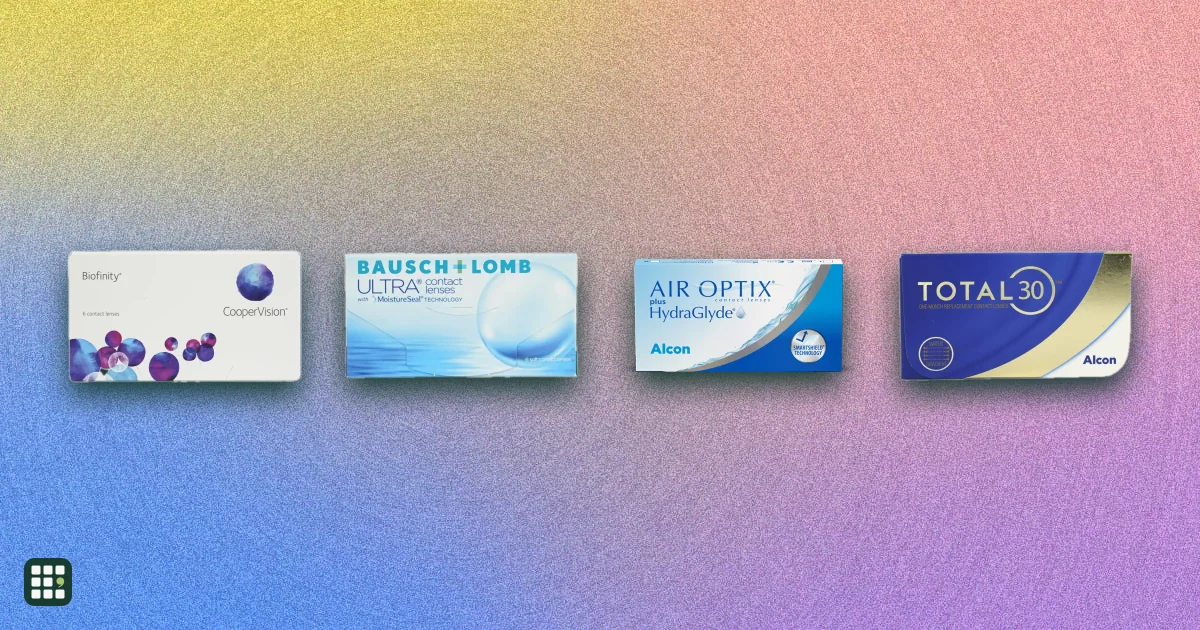 Monthly contact lenses
9 products · Updated Nov 11, 2026
Monthly contact lenses are worn every day, cleaned and stored each night, and thrown away after a month. They cost less per year than daily disposables but need a cleaning routine. This grid compares the main US monthly lenses on yearly cost, lens material and oxygen, overnight wear approval, prescription range, and whether there's a version for astigmatism or reading.
-
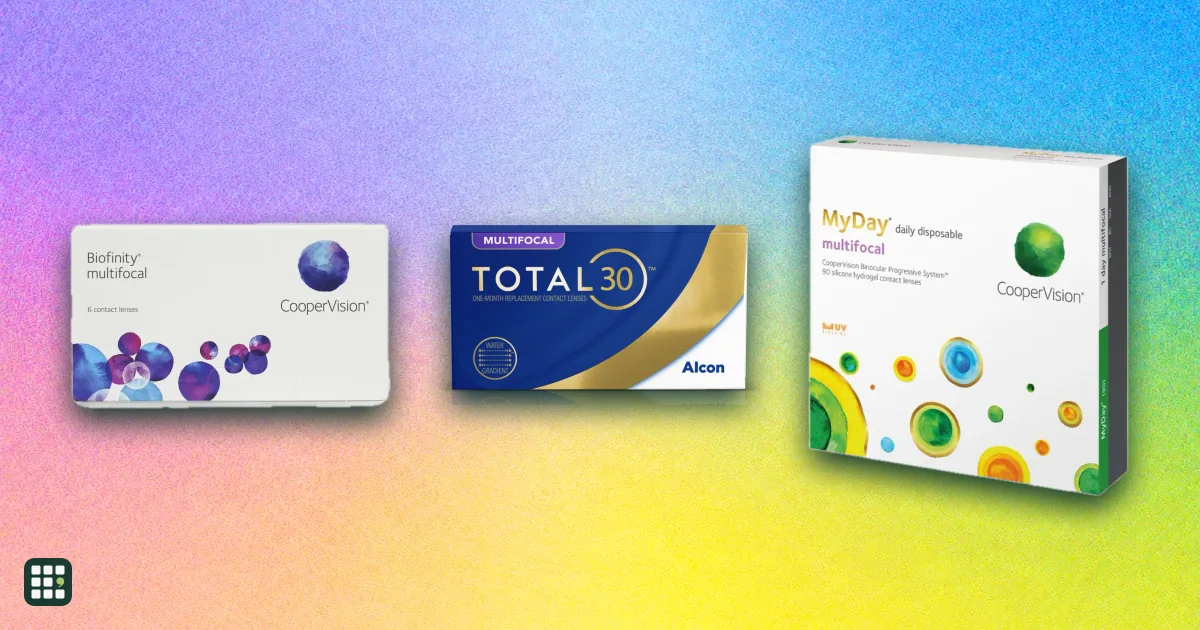 Multifocal contact lenses
19 products · Updated Nov 13, 2026
Multifocal contact lenses let people over 40 see near and far without reading glasses. Designs, add powers and materials differ, and the right one is often found by trying a few. This grid compares the main US multifocal lenses on yearly cost, replacement schedule, optical design, add powers, prescription range, astigmatism correction and lens material.
-
 Online glasses stores
11 services · Updated Nov 13, 2026
Ordering glasses online can cost a fraction of an optician's price, but stores differ a lot in what the headline price includes, which prescriptions they can fill, whether they take your vision insurance, and what happens if the pair doesn't work out. This grid compares the big US online glasses stores on full lens costs, try-on options, insurance, returns, and warranty.
-
 Prescription sunglasses
11 services · Updated Nov 15, 2026
Compare where to buy prescription sunglasses in the US: budget online stores, designer-frame retailers, Oakley and Ray-Ban's own Rx shops, premium polarized brands, and a lens-replacement service. Prices run from about $15 to $600 a pair, and the sellers differ on lens choices, the prescriptions they can fill, returns and warranty.
-
 Vision insurance plans
10 services · Updated Nov 13, 2026
Vision insurance helps pay for eye exams, glasses and contact lenses, but most plans reimburse a fixed allowance rather than the full cost. This grid compares standalone individual and family plans from Aetna, EyeMed, Guardian and Humana on premium, copays, frame and contact lens allowances, waiting periods and networks, so you can see whether a plan is worth its price.